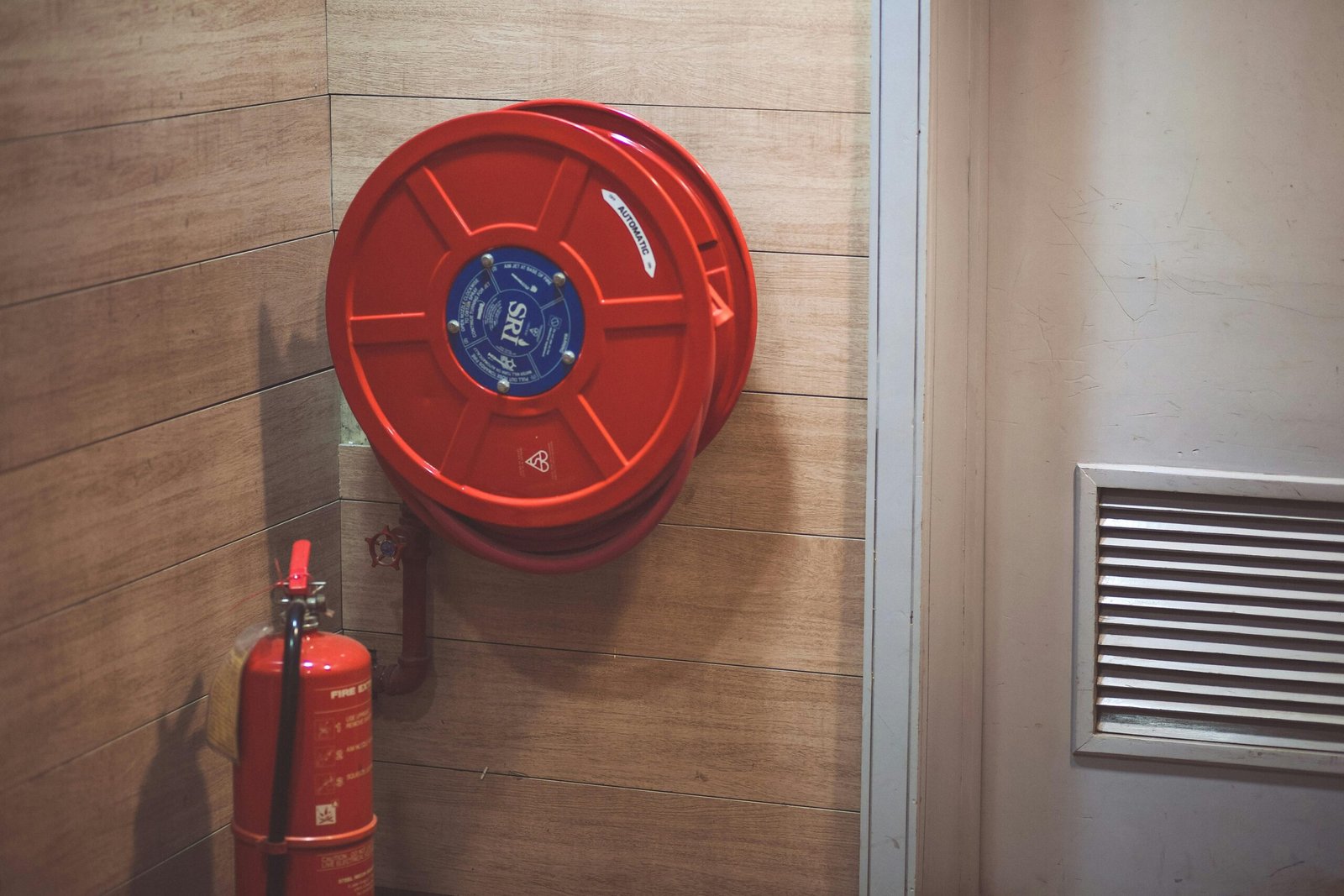

Safety equipment is one of the most important investments in any aviation environment. From fire extinguishers to first aid kits, oxygen systems, and emergency tools, these items are designed to protect pilots, passengers, and aircraft in unexpected situations. However, even the highest quality equipment cannot perform effectively without proper care. Regular maintenance not only ensures reliability but also extends the lifespan of each item, reducing long term costs and improving overall safety readiness. By following a few essential steps, aircraft owners and operators can keep their safety equipment in optimal condition year after year.
Conduct Regular Inspections to Identify Early Wear
Routine inspections are the foundation of effective safety equipment maintenance. Over time, even well made equipment can experience wear, environmental exposure, or accidental damage. Regular checks help identify issues early, before they compromise performance.
During inspections, look for signs of corrosion, loose fittings, expired components, or physical damage. For example, checking the pressure gauge and condition of a reputable aircraft fire extinguisher ensures it remains ready for immediate use. Similarly, inspecting oxygen masks, emergency lights, flotation devices, and first aid supplies helps confirm that all items are intact and functional.
Creating a consistent inspection schedule, whether monthly or quarterly, ensures nothing is overlooked. Documenting each inspection also helps track trends and identify equipment that may require more frequent attention.
Follow Manufacturer Guidelines for Proper Care
Every piece of safety equipment comes with manufacturer recommendations for cleaning, storage, and servicing. These guidelines are designed to maximize performance and longevity, yet they are often overlooked or only partially followed. Adhering to these instructions is one of the simplest ways to extend equipment lifespan.
For example, some items require specific cleaning agents to avoid damaging sensitive materials, while others must be stored at certain temperatures to maintain effectiveness. Fire extinguishers, oxygen systems, and emergency radios may require periodic servicing by certified technicians. Following these guidelines ensures that each item remains compliant with safety standards and performs as intended during an emergency.
When in doubt, refer to the equipment manual or consult with a certified maintenance professional. Proper care not only protects the equipment but also supports regulatory compliance and operational safety.
Store Equipment in Controlled, Accessible Environments
Storage conditions have a significant impact on the lifespan of safety equipment. Exposure to extreme temperatures, moisture, sunlight, or vibration can degrade materials and reduce reliability. Ensuring that equipment is stored properly helps preserve its integrity and readiness.
For aircraft, this means securing safety items in designated compartments that protect them from movement, impact, or environmental exposure. Fire extinguishers should be mounted securely, first aid kits should be sealed and stored away from heat sources, and oxygen equipment should be kept in clean, dry areas.
Accessibility is equally important. Safety equipment must be easy to reach in an emergency, so storage locations should be clearly marked and free from obstructions. Proper storage not only extends lifespan but also ensures quick response when needed.
Replace Consumables and Expired Components Promptly
Many types of safety equipment include consumable or time sensitive components that must be replaced regularly. Ignoring expiration dates or delaying replacements can compromise performance and create unnecessary risks.
Items such as first aid supplies, oxygen canisters, batteries, and chemical agents in fire extinguishers all have defined service lives. Even if equipment appears unused, internal components may degrade over time. Replacing these items promptly ensures that the equipment remains fully functional and compliant with safety regulations.
Maintaining a log of expiration dates and scheduling replacements in advance helps prevent lapses. This proactive approach reduces the likelihood of equipment failure and supports a consistent state of readiness.
Conclusion
Extending the lifespan of safety equipment requires consistent attention, proper care, and timely replacement of critical components. By conducting regular inspections, following manufacturer guidelines, storing equipment appropriately, and replacing consumables as needed, aircraft owners and operators can ensure their safety tools remain reliable and effective. If you’d like help creating a maintenance checklist tailored to your aircraft’s safety equipment, I can put one together for you.