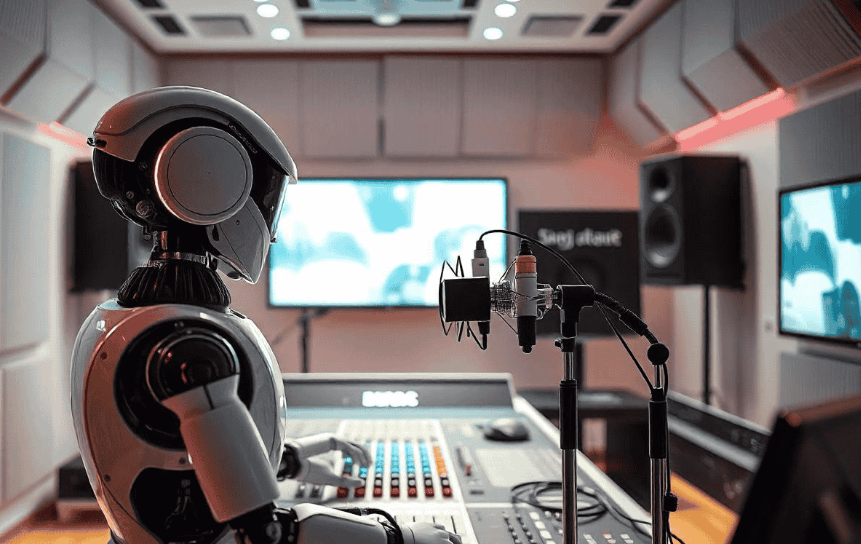

In a world where video consumption has become a global phenomenon, the ability to distribute content across multiple languages is crucial. Traditional dubbing methods have long been recognized as effective but painfully slow and costly. With translation teams, voice actors, recording studios, and multiple review rounds, the process often stretches across weeks or months. The rise of AI dubbing is changing this dramatically, offering a faster, more scalable approach to multilingual content production. Tools like DubSmart AI Dubbing are at the forefront of this transformation.
AI dubbing allows creators and companies to localize videos automatically. The technology analyzes the original audio, transcribes the speech, translates it into the target language, and then generates a new voice track using natural-sounding AI voices. Instead of managing large production teams, users can produce multilingual versions of their content within minutes. This efficiency is especially valuable for brands that release frequent updates, educational platforms that produce large libraries of material, and media teams working with tight deadlines.
Consistency is one of the biggest advantages of AI dubbing. Traditional dubbing often results in different voices, tones, or emotions depending on the actor and language. With AI, companies can maintain a unified voice identity across all languages, ensuring brand consistency worldwide. This is particularly powerful for influencers, creators, and educators who want their personality to remain intact across borders.
Cost reduction is another key driver. AI eliminates the need for expensive studio sessions and reduces reliance on translators and sound engineers. Companies no longer need to budget thousands of dollars for multilingual campaigns. With platforms like DubSmart AI even small teams can afford high-quality localization at scale.
See also: Exploring the Latest in Gaming PC Australia: Trends and Tech
The growth of AI dubbing also aligns with the increase in global audiences. Social media platforms such as TikTok, Instagram, and YouTube amplify creators worldwide. A single viral video can reach viewers in dozens of countries. Multilingual dubbing increases engagement dramatically because audiences prefer consuming content in their native language. This makes AI dubbing an essential tool for creators looking to maximize reach.
For e-learning, gaming, and corporate training industries, AI dubbing provides new opportunities. Courses can be quickly adapted for international students. Gaming companies can test localized versions of character dialogues without massive production costs. Firms operating globally can train employees in multiple languages instantaneously.
As AI technology continues to evolve, dubbing quality will become even more natural and expressive. Lip-sync accuracy, emotional tone modeling, and contextual translation are all areas of rapid development. The future of global video production will be shaped by these tools, and AI dubbing is positioned to become a standard part of every content strategy.