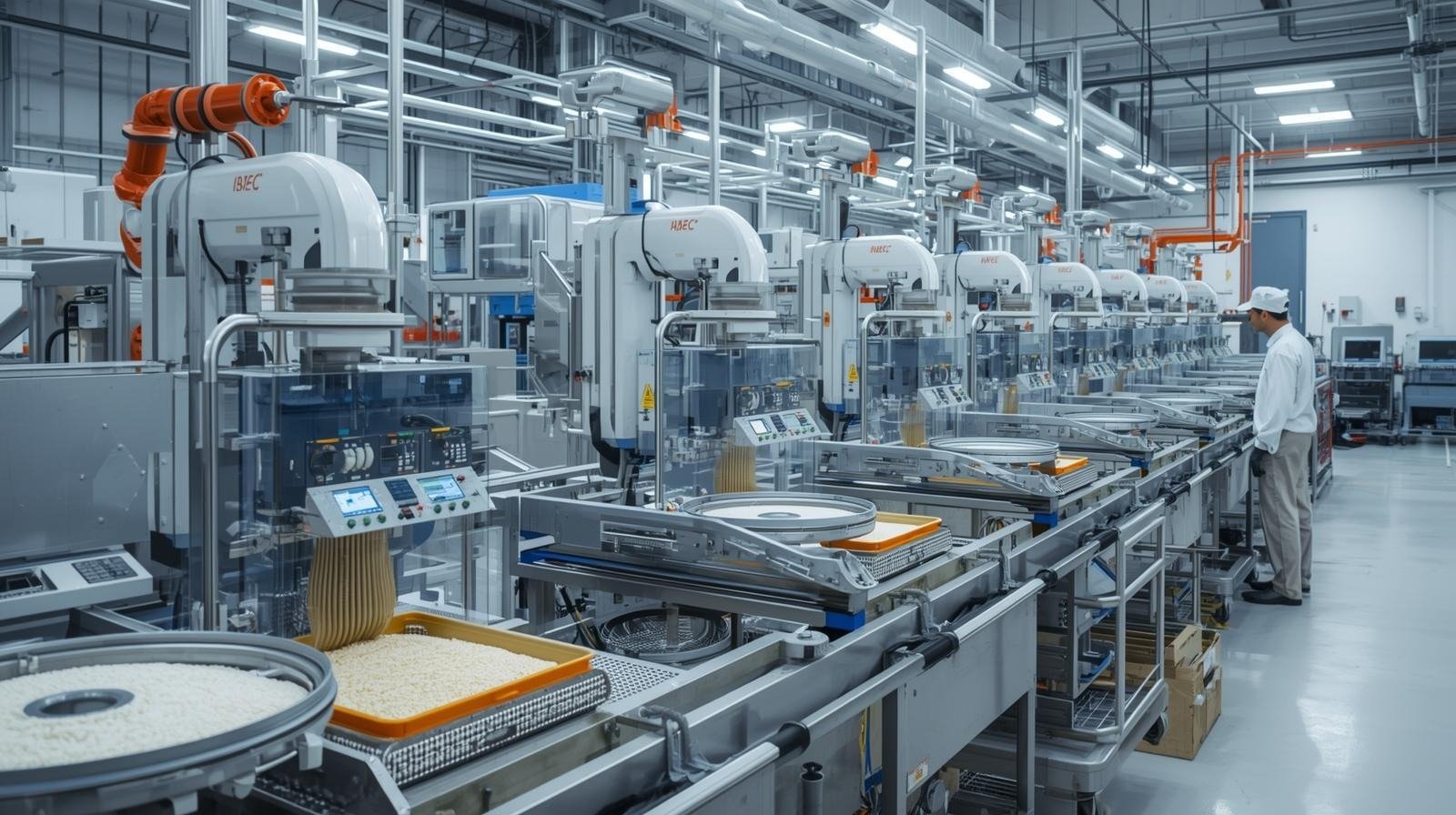
How Skilled Labour Availability Influences the Type of Rice Mill Machinery You Should Choose

Have you ever planned an upgrade for your rice mill and then paused because you were not sure if your team could handle the new machines? Or maybe you have dealt with situations where a machine stood idle simply because the operator was on leave. Many mill owners across India face similar problems. Skilled labour availability affects how smoothly your plant runs, how much output you achieve, and even how much you spend on repairs. This makes the choice of mill machinery more important than it seems at first.
When you understand how labour strength connects to the right type of mill machinery, you can avoid unnecessary downtime and maintain consistent rice quality. This blog explains how labour conditions in your area influence the machines you should choose for your rice mill.
- Matching Labour Skills with the Right Mill Machinery
Every rice mill operates differently because each location has different labour conditions. Some mill owners have access to trained operators, while others depend on workers who learn on the job. The type of mill machinery you select should match the skill level available to you.
- Ease of Operation Matters
If you struggle to find highly skilled operators, you need mill machinery that is simple to use. Clear control panels, fewer manual adjustments, and stable operating settings reduce the chance of mistakes. Your team performs better when machines guide them with clear indicators instead of requiring constant technical judgment.
- Training Time and Productivity
If your staff needs long training to run a machine, your mill may lose productive hours. Easy to learn machines help you maintain a smoother workflow. You spend less time worrying about supervision and more time focusing on overall production. Upgrading to mill machinery that reduces reliance on highly trained operators is becoming necessary in many regions. Labour movement, seasonal availability, and shifting job preferences all affect your daily operations.
- Automation to Solve Labour Dependency
Automation is one of the biggest advantages for rice mills that face labour shortages. When your mill machinery performs major tasks automatically, your dependency on specialist labour reduces.
- Consistent Output Without Expert Monitoring
Machines with automated controls maintain consistent pressure, temperature, and speed throughout the process. This protects grain quality even if the operator has limited experience. Automation also helps prevent human errors, which are common when workers handle multiple machines at once. Automated mill machinery makes your workflow predictable. You get more stable output, fewer variations, and faster batch changes.
- Reduced Manual Adjustments
Many older machines need frequent manual corrections. Operators need to adjust settings often, which can increase the risk of over-polishing, breakage, or uneven colour removal. Automated mill machinery manages these settings on its own. This makes operations smoother and reduces the need for highly specialised staff.
- Maintenance and Labour Skill
Maintenance plays a major role in deciding which mill machinery works best for your mill. Some machines require technical servicing, while others run with simple cleaning and lubrication. If your mill runs with a small team, you need machines that do not demand expert servicing frequently. Clear access points, easy part removal, and straightforward cleaning routines help your staff maintain mill machinery without external help. Machines that simplify daily maintenance reduce downtime and protect long-term performance.
- Fewer Breakdowns Save Costs
Breakdowns usually happen because of wrong settings, poor cleaning, or overuse. If your labour team is inexperienced, your machines should support them, not punish them for small mistakes. Choosing mill machinery designed for easier handling helps you avoid repeated repair costs.
How Labour Availability Varies Across India and What It Means for Machine Choice?
Every mill owner knows that labour availability changes from region to region. In industrial clusters, skilled operators are easier to find. In rural areas, workers may need more training.
This directly impacts the mill machinery for rice you should choose:
• If your region has limited skilled labour, choose machines with higher automation.
• If your team changes frequently, invest in easy-to-operate machines.
• If local technicians are scarce, avoid machines that require complex servicing.
• If labour costs are rising, machinery that reduces manual dependency gives long-term savings.
When your mill machinery matches your labour realities, your workflow becomes smoother and more stable throughout the year.
Conclusion
Skilled labour availability is one of the biggest factors that influence the type of mill machinery you should choose for your rice mill. The right machines help your team work confidently, reduce errors, and maintain consistent quality even during labour shortages. Whether you run a small mill or a large capacity plant, selecting mill machinery that matches your labour strength ensures stable production, fewer breakdowns, and better long-term value. As the rice milling industry evolves, choosing machines that balance automation, simplicity, and durability will help you stay efficient and competitive.