
Vision plays a vital role in daily life, helping people work, study, drive, and enjoy everyday activities. However, many individuals experience vision problems at some point due to aging, genetics, lifestyle habits, or underlying health conditions. While some eye conditions are minor and easily corrected, others may require advanced medical treatment to prevent vision loss.
Understanding common vision problems and the latest treatment options can help people recognize symptoms early and seek appropriate care. Advances in eye care have significantly improved diagnosis, management, and treatment outcomes for many eye conditions.
1. Understanding Refractive Errors
Refractive errors are among the most common causes of vision problems worldwide. They occur when the shape of the eye prevents light from focusing properly on the retina.
The most common refractive errors include:
- Nearsightedness (Myopia)
- Farsightedness (Hyperopia)
- Astigmatism
- Presbyopia
People with refractive errors may experience blurred vision, eye strain, headaches, or difficulty focusing on objects at certain distances. These conditions can affect children and adults alike.
Latest Treatment Approaches for Refractive Errors
Modern treatment options include:
- Prescription eyeglasses
- Contact lenses
- Laser vision correction procedures
- Implantable lenses in selected cases
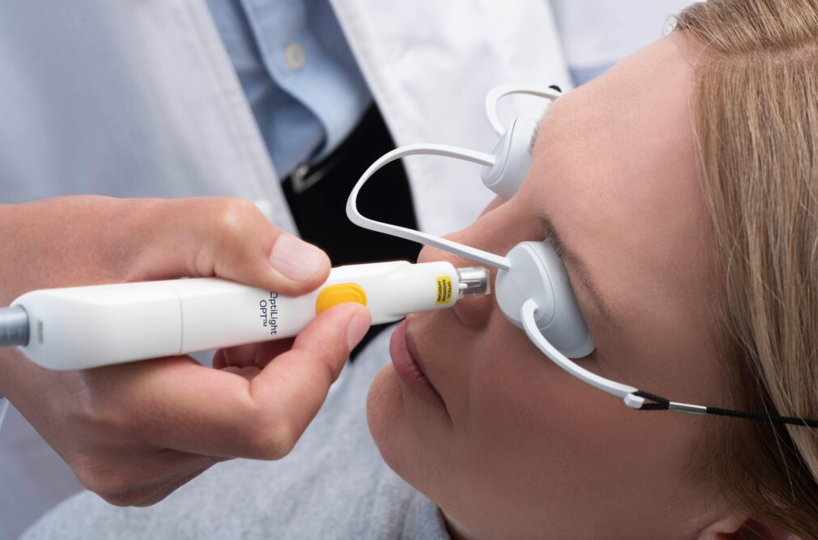
Laser-based procedures have become more precise and customizable, helping many individuals reduce dependence on glasses or contact lenses while improving overall visual clarity.
2. Cataracts: A Leading Cause of Vision Changes
A cataract develops when the natural lens of the eye becomes cloudy. This condition is commonly associated with aging but may also result from injury, diabetes, or prolonged exposure to ultraviolet light.
Common symptoms include:
- Blurred vision
- Increased glare sensitivity
- Difficulty seeing at night
- Faded color perception
- Frequent changes in eyeglass prescriptions
Latest Treatment Approaches for Cataracts
Cataract surgery remains the most effective treatment. During the procedure, the cloudy lens is removed and replaced with an artificial intraocular lens.
Recent advancements include:
- Premium intraocular lenses
- Multifocal lenses
- Toric lenses for astigmatism correction
- Enhanced surgical imaging systems
These innovations help improve visual outcomes and reduce the need for corrective eyewear after surgery.
3. Glaucoma and the Importance of Early Detection
Glaucoma refers to a group of eye diseases that can damage the optic nerve, usually due to increased eye pressure. It is sometimes called the “silent thief of sight” because symptoms may not appear until significant vision loss has occurred.
Risk factors include:
- Increasing age
- Family history
- Diabetes
- High eye pressure
- Long-term steroid use
Latest Treatment Approaches for Glaucoma
Treatment focuses on lowering eye pressure and preventing further damage.
Current options include:
- Prescription eye drops
- Oral medications
- Laser therapy
- Minimally invasive glaucoma surgery (MIGS)
Modern diagnostic technologies also allow earlier detection, enabling treatment before significant vision impairment develops.
4. Age-Related Macular Degeneration (AMD)
Age-related macular degeneration affects the central part of the retina, known as the macula. It primarily impacts older adults and can interfere with reading, driving, and recognizing faces.
Symptoms may include:
- Blurred central vision
- Distorted straight lines
- Difficulty seeing fine details
- Dark spots in central vision
Latest Treatment Approaches for AMD
Treatment depends on whether the condition is dry or wet AMD.
Current management strategies include:
- Nutritional supplementation for selected patients
- Anti-VEGF injections
- Regular retinal monitoring
- Lifestyle modifications
New therapies continue to improve outcomes, especially for individuals diagnosed during the early stages of the disease.
5. Digital Eye Strain in the Modern Era
The widespread use of computers, smartphones, and tablets has increased cases of digital eye strain. Prolonged screen exposure can affect both children and adults.
Common symptoms include:
- Dry eyes
- Blurred vision
- Eye fatigue
- Headaches
- Neck and shoulder discomfort
During consultations at Mumbai eye care facilities, including a reputable eye hospital in Mumbai, specialists commonly advise preventive strategies alongside treatment to minimize screen-related visual discomfort.
Latest Treatment Approaches for Digital Eye Strain
Management usually involves lifestyle changes and supportive therapies.
Recommended measures include:
- Following the 20-20-20 rule
- Using artificial tears
- Optimizing screen brightness
- Improving workstation ergonomics
- Wearing specialized computer glasses when needed
These approaches can significantly reduce symptoms and improve visual comfort.
6. Dry Eye Disease
Dry eye disease occurs when the eyes do not produce enough tears or when tears evaporate too quickly. It is becoming increasingly common due to aging, screen use, environmental factors, and certain medical conditions.
Symptoms usually include:
- Burning sensation
- Redness
- Grittiness
- Excessive tearing
- Fluctuating vision
Latest Treatment Approaches for Dry Eye Disease
Treatment plans are tailored to the severity and underlying cause.
Options may include:
- Lubricating eye drops
- Prescription medications
- Warm compress therapy
- Tear conservation procedures
- Advanced gland treatments
Early treatment can help prevent chronic discomfort and protect the eye surface from damage.
7. Diabetic Retinopathy and Vision Protection
Diabetic retinopathy is a complication of diabetes that affects the blood vessels of the retina. Poor blood sugar control can increase the risk of vision-threatening complications.
Symptoms may not appear in the early stages, making regular eye examinations extremely important.
Latest Treatment Approaches for Diabetic Retinopathy
Modern treatment options include:
- Blood sugar management
- Retinal laser therapy
- Anti-VEGF injections
- Corticosteroid treatments
- Vitrectomy surgery in advanced cases
Regular monitoring allows healthcare providers to detect changes early and begin treatment before severe vision loss occurs.
See also: Why Regular Dental Cleanings Are Essential For Oral And Overall Health
When Should You Seek Medical Attention?
You should schedule an eye examination if you experience:
- Sudden vision changes
- Persistent blurred vision
- Eye pain
- Flashes of light
- New floaters
- Double vision
- Difficulty seeing at night
- Progressive loss of peripheral vision
Prompt medical evaluation can help identify serious eye conditions before they cause permanent damage. Regular eye checkups are also important for individuals with diabetes, a family history of eye disease, or age-related vision concerns.
Conclusion
Vision problems can affect people of all ages and significantly impact daily life. Conditions such as refractive errors, cataracts, glaucoma, macular degeneration, dry eye disease, and diabetic retinopathy require timely diagnosis and appropriate management. Fortunately, advancements in eye care continue to provide safer, more effective treatment options that help preserve vision and improve quality of life. Regular eye examinations remain one of the best ways to protect long-term eye health and detect problems before they become serious.
Frequently Asked Questions
1. What is the most common vision problem?
Refractive errors, including myopia, hyperopia, astigmatism, and presbyopia, are the most common vision problems. They occur when light does not focus correctly on the retina, causing blurred vision that can often be corrected with glasses, contact lenses, or surgery.
2. Can vision problems be prevented?
Not all vision problems can be prevented, but regular eye examinations, managing chronic diseases, protecting eyes from UV exposure, maintaining a healthy diet, and limiting excessive screen time can help reduce the risk of certain conditions.
3. How often should adults have an eye examination?
Most adults should have comprehensive eye examinations every one to two years. Individuals with diabetes, glaucoma risk factors, or existing eye conditions may require more frequent evaluations as recommended by their eye care professional.
4. Is laser eye surgery safe?
Laser eye surgery is generally considered safe and effective for suitable candidates. Modern techniques offer improved precision and faster recovery, but a detailed evaluation is necessary to determine whether the procedure is appropriate for each individual.
5. What are the warning signs of serious eye disease?
Warning signs include sudden vision loss, eye pain, flashes of light, numerous floaters, distorted vision, and persistent redness. These symptoms require prompt medical attention because they may indicate potentially serious eye conditions requiring urgent treatment.