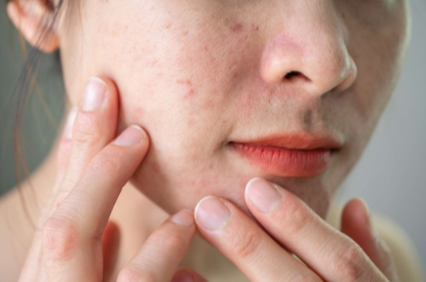

Your skin can feel smooth yet appear less firm, or remain firm while developing rough patches, enlarged pores and uneven areas. These concerns are related, but they involve different aspects of skin health. Texture describes the condition of the skin’s surface, while firmness reflects its underlying structure and ability to resist sagging. Understanding this distinction helps you choose skincare products and treatments that address the changes you actually want to improve.
Skin Texture Reflects Surface-Level Changes
Skin texture describes how your skin looks and feels, including smoothness, pore visibility, roughness and uneven patches. These characteristics can change because of dehydration, accumulated dead skin cells, acne scarring or environmental exposure.
Your skincare routine should address the underlying cause rather than simply target visible imperfections. Gentle exfoliation may help remove dead skin cells, while appropriate moisturisers support hydration and reduce the appearance of dryness-related roughness.
When comparing everyday skincare products, professional dermatology advice and resources where you can discover skin care treatments in Penrith, consider whether each approach targets surface irregularities or deeper structural concerns. This distinction helps you avoid choosing treatments based solely on broad claims about skin rejuvenation.
Skin Firmness Depends on Deeper Support
Skin firmness relates to how well your skin maintains its structure and resists sagging. Much of this support comes from collagen and elastin, two proteins found within the dermis, the deeper skin layer beneath the surface.
Collagen provides structural strength, while elastin helps your skin return towards its original shape after stretching. As you age, changes in these proteins can contribute to reduced elasticity, softer facial contours and visible skin laxity.
Unlike temporary surface dryness, declining firmness cannot generally be corrected through moisturising alone. Hydration may improve your skin’s appearance, but it does not replace lost structural support.
Different Treatments Address Different Skin Concerns
Treatments for uneven texture generally focus on improving the skin’s surface. Depending on your concerns, suitable approaches may include chemical exfoliation, topical retinoids, professional resurfacing treatments or carefully selected procedures for acne scarring.
Firmness treatments have different objectives. Certain energy-based procedures aim to stimulate collagen remodelling, while other cosmetic treatments address facial volume changes that can influence the appearance of sagging. Their effectiveness varies according to the procedure, your skin condition and the degree of laxity.
Choosing between these options requires more than comparing treatment names. A qualified practitioner should assess your skin, explain realistic outcomes and discuss potential risks before recommending a procedure.
Structural Ageing Requires a Different Approach
Changes in skin firmness involve biological processes that ordinary surface treatments cannot fully address. Ageing, ultraviolet exposure and changes in the skin’s supporting fibres can all influence how effectively it maintains its shape.
The importance of these structural changes is reflected in 2025 research examining elastin fibre architecture and skin firmness, which found that older skin samples had more fragmented elastin networks, associated with reduced firmness in computational modelling. These findings help explain why improving surface smoothness does not necessarily restore the mechanical support of ageing skin.
Your approach to firmness should therefore consider deeper structural changes rather than relying exclusively on products designed to improve texture. Professional assessment can help determine whether these changes involve skin laxity, facial volume loss or both.
Combined Skin Care Needs Separate Goals
You may experience uneven texture and reduced firmness simultaneously, particularly as your skin changes with age. Addressing both concerns can require complementary approaches rather than expecting one treatment to produce every desired improvement.
Daily sun protection, gentle cleansing and appropriate moisturising support overall skin health. Targeted products or professional treatments can then address specific concerns, with realistic expectations about the degree and timing of improvement.
Tracking texture and firmness separately also makes it easier to evaluate results. Smoother skin does not automatically indicate increased firmness, just as improved facial contours do not necessarily mean roughness or visible pores have changed.
Better Skin Care Starts With the Right Distinction
Understanding the difference between skin texture and firmness allows you to make more informed decisions about your skincare routine. Surface irregularities and deeper structural changes require different forms of care, even when they occur together. By identifying what you want to improve and choosing appropriately targeted treatments, you can work towards healthier-looking skin without expecting a single solution to address every concern.