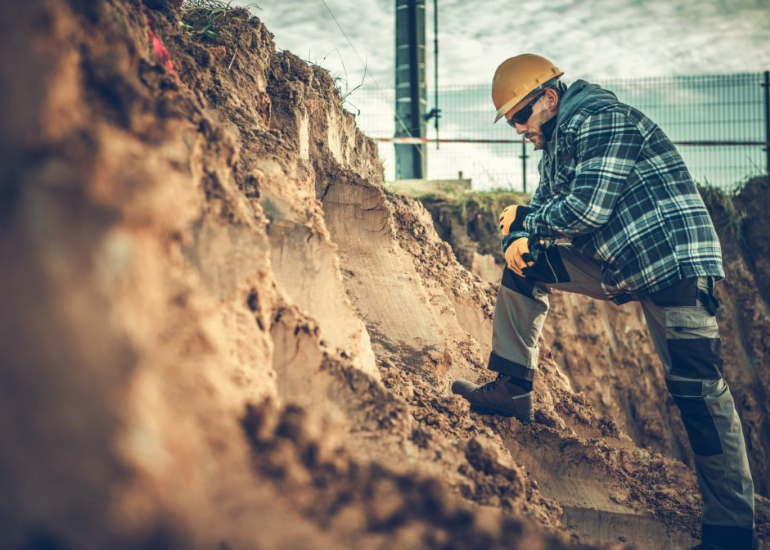

The durability and safety of any road depend heavily on its foundation. While asphalt and concrete surfaces often attract the most attention, the underlying structure is what truly determines a road’s lifespan. Roadbase plays a critical role in creating stable, resilient, and long-lasting roads capable of withstanding heavy traffic, harsh weather, and everyday wear. Understanding its importance and selecting the right materials and construction methods are essential for successful infrastructure projects.
What is Roadbase?
Roadbase is the layer of material placed between the natural soil, known as the subgrade, and the pavement surface. Its main function is to provide structural support, distribute loads evenly across the subgrade, and prevent deformation or failure of the road surface. By acting as a stable intermediary, roadbase ensures that the pavement above remains smooth, safe, and durable over time.
The composition of roadbase varies depending on the type of road, expected traffic load, and environmental conditions. Commonly used materials include crushed stone, gravel, sand, and recycled aggregates. Each material has specific characteristics that affect compaction, load-bearing capacity, and drainage, making careful selection essential for a successful project.
Types of Roadbase Material
Crushed Stone
Crushed stone is widely regarded as one of the most effective roadbase Its angular particles interlock to create a dense and stable layer capable of supporting heavy traffic. Crushed stone also provides excellent drainage, which prevents water from weakening the subgrade. This makes it ideal for highways, industrial roads, and high-traffic urban streets.
Gravel
Gravel is another popular option, particularly for low-traffic rural roads or temporary access routes. Although it does not interlock as tightly as crushed stone, proper compaction ensures adequate stability. Gravel offers good drainage, is easy to source, and provides a cost-effective foundation solution.
Recycled Aggregates
Sustainability initiatives have increased the use of recycled materials in road construction. Crushed concrete, asphalt millings, and other recycled aggregates can serve as effective roadbase material. Recycled materials not only reduce environmental impact but also provide structural support when processed and compacted properly. They are commonly used in low-traffic roads, construction sites, and layered road designs.
Benefits of Using High-Quality Roadbase
Load Distribution
A well-constructed roadbase distributes vehicle weight evenly across the subgrade, preventing localized stress and reducing the risk of rutting, potholes, or surface cracking. Roads with a strong base layer maintain a smoother surface and offer a safer driving experience, even under heavy loads.
Drainage and Moisture Management
Water infiltration is a major factor in road deterioration. Roadbase materials like crushed stone or gravel allow for proper drainage, directing water away from the pavement and subgrade. Effective moisture management prevents erosion, frost heave, and weakening of the foundation, extending the road’s lifespan.
Longevity and Reduced Maintenance
Investing in high-quality roadbase increases road durability and reduces maintenance costs. Roads with properly compacted and well-selected base materials are less prone to settlement, surface deformation, or cracking, allowing them to remain functional for decades even in high-traffic or harsh weather conditions.
Environmental Benefits
Using recycled aggregates and sustainably sourced materials in roadbase construction reduces the demand for new quarry materials and minimizes construction waste. Incorporating environmentally friendly materials promotes sustainable infrastructure while maintaining road performance.
Roadbase Construction Process
The construction of a stable and durable road begins with a properly prepared roadbase. The process generally includes the following steps:
- Site Preparation: Clear the area of vegetation, debris, and unsuitable soil. Grade the subgrade to create a level and stable surface.
- Placement of Material: Spread the chosen roadbase material evenly over the subgrade. The thickness depends on expected traffic loads and road classification.
- Compaction: Use rollers or vibratory equipment to compact the material. Proper compaction is critical to achieving maximum load-bearing capacity.
- Grading and Drainage: Ensure the roadbase layer is graded correctly to promote water drainage away from the road surface and subgrade.
- Inspection and Testing: Conduct tests to verify density, moisture content, and compaction standards before laying the pavement surface.
Applications of Roadbase
Roadbase is used in various types of road construction, from highways to rural access roads, ensuring stability and performance across different environments.
Highways and Expressways
Highways experience heavy, continuous traffic, requiring a strong and stable foundation. Roadbase in these applications prevents surface deformation and extends the service life of the pavement.
Urban Streets
City roads face frequent stopping, turning, and load stress, especially from delivery vehicles and public transport. A well-constructed roadbase helps distribute these forces and reduces the need for frequent maintenance.
Industrial Access Roads
Factories, warehouses, and commercial complexes rely on durable roads capable of supporting heavy trucks and equipment. Roadbase provides the necessary strength and stability for industrial applications.
Rural and Residential Roads
Even low-traffic roads benefit from a strong roadbase, which prevents erosion, maintains a smooth surface, and ensures the road can handle occasional heavy loads, such as agricultural machinery or delivery trucks.
See also: Why EV Charging Infrastructure Is Now a Business Priority
Challenges in Roadbase Construction
Despite its importance, constructing a proper roadbase can present challenges:
- Material Quality: Using low-quality or poorly graded materials can compromise stability and durability.
- Compaction Issues: Inadequate compaction may result in settling, cracks, and uneven surfaces.
- Moisture Control: Poor drainage or excess water during construction can weaken the foundation.
- Environmental Considerations: Incorporating recycled materials may require additional processing and testing to meet performance standards.
Future Trends in Roadbase Construction
The road construction industry is adopting innovative approaches to improve durability, sustainability, and efficiency:
- Recycled Materials: Greater use of crushed concrete and asphalt millings for eco-friendly roadbase.
- Geosynthetic Reinforcement: Geotextiles and geogrids improve stability, drainage, and load distribution.
- Smart Construction Techniques: Sensors and automated compaction systems ensure consistent density and performance.
- Performance-Based Specifications: Focus on material performance and testing rather than traditional grading alone, leading to longer-lasting roads.
Conclusion
The strength and longevity of a road depend on the quality of its foundation. Roadbase is the backbone of any road, providing stability, load distribution, and drainage that support the pavement above. Selecting the right material, ensuring proper compaction, and following modern construction practices are critical to achieving durable, safe, and cost-effective roads.
A well-constructed roadbase reduces maintenance costs, improves performance, and supports sustainable construction practices. As infrastructure needs grow, investing in high-quality roadbase ensures that roads remain resilient, functional, and reliable for years to come.