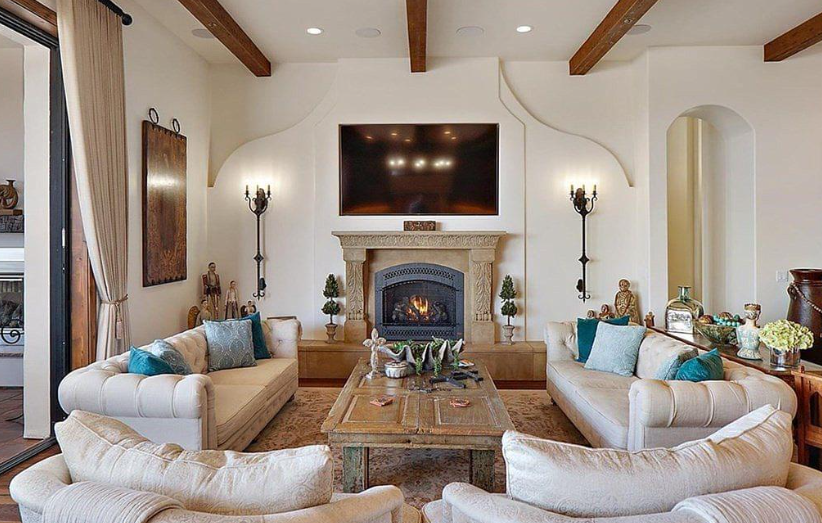

Farmhouse lighting captures the essence of rustic charm and practical functionality, making it a beloved choice for both modern homes and traditional country dwellings. This style transcends mere aesthetics; it creates an inviting and warm atmosphere, promoting a sense of comfort and belonging. In this guest post, we will delve into the key characteristics of farmhouse lighting, explore various types of fixtures, and offer tips on how to incorporate this style into your home effectively.
The Characteristics of Farmhouse Lighting
Farmhouse lighting is defined by several fundamental characteristics that set it apart from other decor styles:
1. Rustic Materials
Farmhouse lighting often emphasizes natural materials such as wood, wrought iron, and galvanized metal. These materials reflect a connection to the land and a simpler way of living, making them ideal for creating a cozy, welcoming environment.
2. Functional Design
The fixtures are not just decorative; they are also designed to serve a purpose. Whether it’s a pendant light over a kitchen island or wall sconces flanking a mirror, farmhouse lighting often combines aesthetics with functionality, ensuring each piece meets specific lighting needs.
3. Warm Undertones
A soft, warm color palette is a hallmark of farmhouse lighting. Many fixtures feature finishes that exude warmth, such as distressed whites, soft grays, or natural wood tones, contributing to a relaxed and inviting ambiance.
4. Vintage Flair
Vintage-inspired designs are common in farmhouse lighting. Whether it’s a lantern-style fixture or an Edison bulb pendant, these elements weave a story of nostalgia into your space, creating an inviting atmosphere.
Types of Farmhouse Lighting Fixtures
1. Pendant Lights
Pendant lights are a staple in farmhouse design. They can be hung over kitchen islands, dining tables, or entryways, offering both style and function. Look for options that feature rustic finishes, wide shades, or glass bulbs that evoke a vintage feel.
2. Chandeliers
Farmhouse chandeliers often combine elegance with rustic charm. Consider fixtures made from wrought iron, distressed wood, or even antlers for a unique touch. These statement pieces can serve as stunning focal points in dining rooms or living areas.
3. Wall Sconces
Wall sconces provide localized lighting and are perfect for highlighting artwork or architectural features. In farmhouse decor, look for fixtures that use metal finishes or feature shades made from natural fibers, which complement the overall theme.
4. Table and Floor Lamps
Adding table and floor lamps can enhance the farmhouse lighting scheme. Opt for lamps with fabric shades in muted colors or metals that match your other fixtures. They provide soft, ambient lighting perfect for cozy evenings.
5. Outdoor Lighting
Farmhouse lighting doesn’t stop at the front door. Outdoor fixtures should also reflect the rustic aesthetic. Lantern-style lights or sconces with a matte finish are excellent choices that extend the warmth of your home’s interior to the exterior.
See also: Enhancing Your Home Entertainment: The Expert Guide to TV Installation in Sydney
Tips for Incorporating Farmhouse Lighting
1. Mix and Match Fixtures
While consistency in style is important, farmhouse lighting encourages a mix of different fixtures. Pairing a vintage chandelier with more contemporary pendant lights can create an eclectic and personalized look. Just ensure that the overall palette remains cohesive.
2. Focus on Natural Light
Maximize natural light by using sheer window treatments or avoiding heavy drapery. This not only enhances the farmhouse aesthetic but also makes the space feel more open and airy. Layering light with various fixtures will ensure you have the right ambiance at all times.
3. Use Bulbs Wisely
The choice of bulbs can significantly affect the atmosphere of your space. Opt for warm white LED bulbs that mimic the glow of incandescent lighting. Consider using Edison bulbs in exposed fixtures for that authentic farmhouse look.
4. Highlight Architectural Features
If your home has rustic elements like exposed beams, brick walls, or stone fireplaces, utilize your lighting to highlight these features. Use track lighting or spotlights to draw attention to these beautiful assets, enhancing the farmhouse charm.
5. Create Focal Points
In larger spaces, establish focal points using larger fixtures like statement chandeliers or oversized pendant lights. This can create visual interest and anchor the room, making it feel complete.
6. Incorporate Color
While farmhouse lighting typically favors neutral tones, don’t shy away from adding color. Soft pastels or earthy tones in lampshades or decorative elements can add a refreshing touch without overwhelming the rustic aesthetic.
Conclusion
Farmhouse lighting is more than just a design choice; it’s an expression of warmth and comfort that resonates with many. By embracing rustic materials, vintage aesthetics, and functional design, you can create a lighting scheme that enhances your home’s character while promoting a welcoming atmosphere. Whether you live in a cozy country cottage or a modern home with farmhouse touches, incorporating farmhouse lighting can transform your space into a haven of comfort and style. So go ahead, choose the right fixtures, and let your home shine with the timeless appeal of farmhouse lighting.