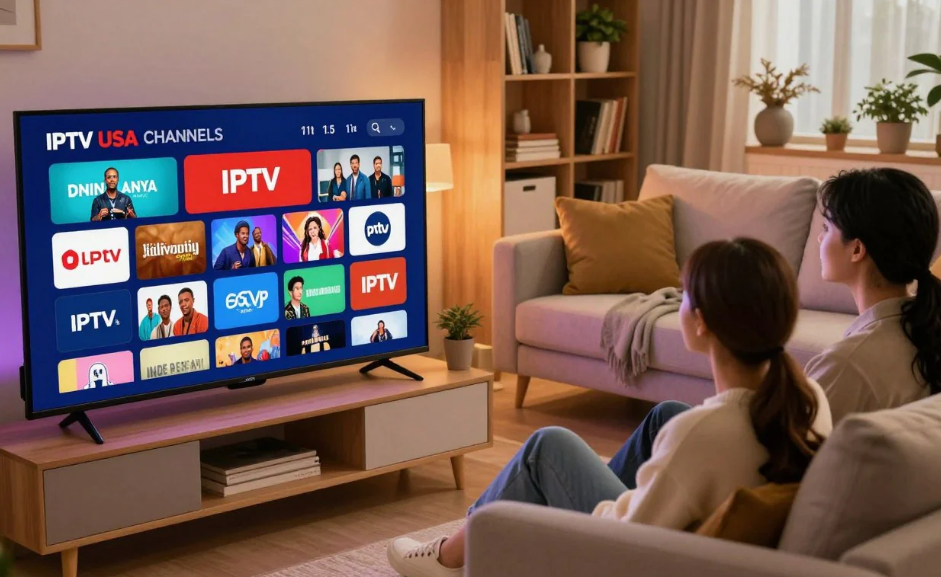

For decades, television distribution in the United States followed a predictable structure. Cable networks relied on coaxial infrastructure. Satellite providers depended on dish alignment and signal reception. The model worked, but it was built around physical limitations.
Now the entire system is shifting toward internet delivery. IPTV in USA is not just another streaming trend. It represents a structural change in how television content is transmitted, managed, and consumed.
Most people think about IPTV only from a user perspective. They see live channels on a Smart TV or a Firestick and assume it is simply another streaming app. But from a technical standpoint, IPTV subscription services operate very differently from legacy broadcasting systems.
Understanding this shift helps explain why IPTV adoption continues to grow across the country.
From Broadcast Signals to Internet Protocol
Traditional cable distributes content using radio frequency signals over dedicated wiring. Satellite providers transmit encrypted signals from orbit to home receivers. Both systems are hardware dependent and geographically structured.
IPTV, on the other hand, uses internet protocol to deliver media packets directly to a user’s device. Instead of broadcasting the same signal to every home in a region, IPTV sends requested content individually through managed servers.
See also: Why Reliable Heating Matters More Than Ever in San Antonio Homes
This difference is important.
Broadcast systems push content outward whether someone is watching or not. IPTV works more like a two way communication system. The user requests a channel or video, and the server delivers it in real time.
That means infrastructure priorities change. Instead of investing heavily in physical cable lines and satellites, IPTV in USA depends on server optimization, content delivery networks, bandwidth management, and low latency routing.
The Role of High Speed Internet Expansion
One major factor enabling the rise of IPTV in USA is the expansion of broadband and fiber internet. Over the past several years, average internet speeds in American households have increased significantly.
Higher bandwidth allows stable high definition and even 4K streaming without interruption. In earlier years, buffering issues made internet based television less reliable. Today, many homes have more than enough speed to handle multiple simultaneous streams.
As infrastructure improves, IPTV subscription services become more viable for mainstream audiences.
The key technical challenge is no longer internet speed alone. It is consistency during peak traffic hours. That is where server architecture and load balancing strategies matter most.
Server Infrastructure and Stream Stability
When thousands of users attempt to stream a major sporting event at the same time, weak systems fail quickly. Reliable IPTV providers invest in distributed servers and intelligent traffic routing.
Modern IPTV in USA relies heavily on cloud hosting environments, geographic server distribution, and redundancy systems. If one server cluster experiences high load, traffic can shift to another node.
This is similar to how large tech companies handle web traffic surges. Scalability is built into the infrastructure.
Latency is also critical. Even a few seconds of delay during live sports can frustrate viewers. Advanced IPTV subscription platforms work to reduce buffering time and optimize packet delivery paths.
This is where technology truly differentiates services. It is not just about having channels. It is about how efficiently those channels are delivered.
Compression Technology and Video Quality
Another technical advantage of IPTV systems lies in compression algorithms. Modern codecs allow high quality video streams at lower bitrates. This means clearer images without overwhelming bandwidth usage.
Efficient compression reduces strain on both servers and end users. As a result, IPTV in USA can deliver HD and sometimes 4K content over standard residential internet connections.
Video encoding standards continue to improve, which will further enhance stream efficiency in the coming years.
Multi Device Ecosystems
Legacy cable systems were tied to set top boxes. IPTV subscription services operate inside broader device ecosystems.
Smart TVs, Android TV systems, Amazon Fire devices, tablets, smartphones, and even desktop browsers can function as IPTV clients. This flexibility aligns with modern consumer behavior.
Users expect mobility. They want to move between rooms or watch content while traveling. IPTV systems are designed around software applications rather than physical boxes.
From a technical standpoint, this means app optimization becomes as important as server strength. A poorly designed interface can ruin an otherwise stable system.
Security and Access Control
Another important technological element in IPTV in USA is user authentication and stream security. Providers implement account based access systems to manage subscriptions and prevent unauthorized sharing.
Encryption protocols protect stream integrity during transmission. Access tokens, device authorization limits, and backend account management systems help maintain service stability.
This backend management layer is rarely discussed publicly, but it is critical to keeping an IPTV subscription organized and secure.
Data Efficiency and On Demand Architecture
Unlike traditional broadcasting, IPTV allows precise data tracking. Providers can analyze usage patterns to optimize server loads and improve user experience.
For example, if certain channels receive significantly higher traffic during specific hours, resources can be allocated dynamically. This data driven approach mirrors strategies used by major streaming platforms.
On demand libraries also rely on structured storage systems that deliver requested content instantly. Instead of scheduling programming in fixed blocks, IPTV platforms store large libraries that users access whenever they choose.
This shift from schedule based programming to user controlled viewing is one of the most important technological transformations in modern television.
Why Consumers Are Adopting IPTV Faster
Technology alone does not drive adoption. Value and usability matter too.
As IPTV in USA continues improving from a technical standpoint, consumers notice the difference. Fewer interruptions. Better quality. Faster loading times. Cross device compatibility.
When combined with competitive pricing, these improvements make IPTV subscription services increasingly attractive compared to legacy cable packages.
The growth is not accidental. It reflects broader digital transformation trends happening across media industries.
Looking Ahead
Television delivery is unlikely to return to purely broadcast models. Internet based distribution offers flexibility that physical systems cannot match.
As broadband penetration expands and cloud infrastructure becomes even more sophisticated, IPTV in USA will likely continue evolving toward higher quality, lower latency, and smarter content management.
For viewers exploring modern television solutions built on current internet infrastructure, learning more about IPTV subscription options can help clarify how this technology fits their needs. Platforms such as theprimeiptv.us are examples of how IPTV services are structured around modern streaming expectations rather than outdated broadcast limitations.
The future of television is no longer tied to cables in the ground or satellites in orbit. It runs through servers, fiber lines, and intelligent routing systems. IPTV is simply the next logical step in that evolution.