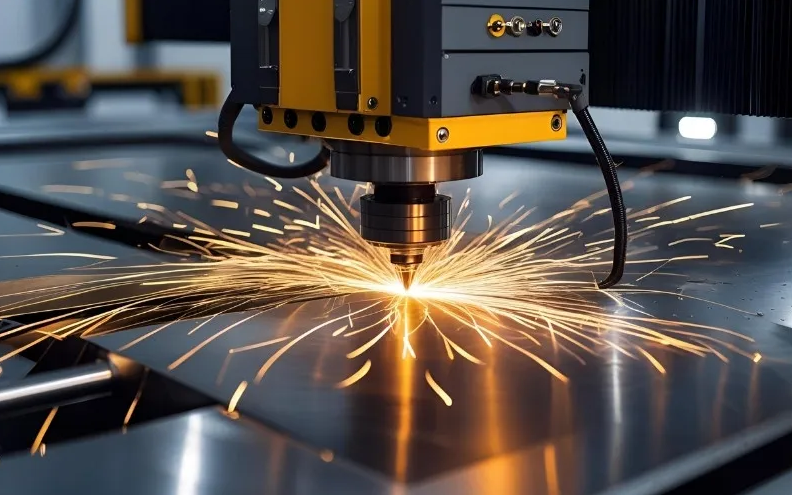

Laser cutting steel sounds very technical when you first hear it. Machines, precision, light beams, all that. But when you actually watch the process, it feels oddly simple. A sheet of steel goes in. A thin line of light moves across it. The shape appears. No sparks flying everywhere like old workshop videos. Just controlled, quiet cutting.
And maybe that is why more workshops in Melbourne and beyond lean toward it now. It does not feel like heavy manufacturing in the old sense. It feels cleaner, faster, more… controlled, I guess.
This isn’t a glossy sales explanation. More like a real look at how laser cutting steel actually fits into everyday fabrication work.
Why Steel Works So Well With Lasers
Steel responds well to heat in a controlled area, and the laser concentrates energy exactly where it’s needed. The rest of the sheet stays mostly unaffected. That means less distortion, which is a quiet advantage many people only appreciate after dealing with warped parts from other cutting methods.
Different gases get used depending on the finish needed. Oxygen supports faster cutting in thicker mild steel. Nitrogen helps produce cleaner, oxide free edges that usually need less rework later.
In practical terms, that saves time. Less grinding. Less cleanup. Less frustration when parts need to fit together properly.
The Part People Don’t Expect: Precision
If you compare laser cutting steel with processes like plasma cutting, the difference shows up immediately in edge quality. Laser beams are much finer, which allows small contours, sharper corners, and tighter tolerances.
Plasma has its place, especially for thick material, but it tends to leave a wider cut line and more heat input. Laser cutting usually feels cleaner and more controlled.
And this matters in everyday work. If you are building brackets, architectural panels, machine parts, or custom fabrication pieces, small inaccuracies add up quickly. Laser cutting reduces that stress before assembly even starts.
The Speed Side Of Things
People assume precision means slower production. That used to be true years ago, but modern fiber laser machines cut surprisingly fast, especially with thinner steel.
Some newer systems can drastically increase throughput while maintaining quality, and higher laser power reduces part cutting times considerably.
You see this most clearly in fabrication shops juggling many small jobs. A laser does not need tool changes for every new design. Upload a new file and the machine just keeps going. It feels flexible in a way older methods never really were.
Where Laser Cutting Steel Shows Up In Real Projects
Honestly, almost everywhere.
- Structural brackets and frames
- Automotive panels
- Custom signage and architectural metalwork
- Equipment parts
- Prototypes and one off designs
The nice thing is that laser cutting handles both small runs and larger production without major setup changes. So whether someone needs ten parts or a thousand, the process stays similar.
That flexibility changes how businesses design things. Designers can take risks with shapes because the cutting process isn’t the limiting factor anymore.
The Everyday Advantages People Notice
Ask anyone who works around laser cut steel regularly and the benefits they mention are usually practical, not technical.
Edges tend to come out cleaner.
Parts fit together with less adjustment.
There is less secondary finishing work.
Design changes are easier to manage.
Because the laser is contact free, tools don’t wear out the same way mechanical cutters do. That means more consistent results over time, which sounds boring but matters a lot when deadlines are tight.
See also: How Businesses Can Hire Skilled Web Developers Online Efficiently
It’s Not Magic Though
Laser cutting steel is good, but not perfect.
Very thick steel can still be challenging depending on the machine and setup. Some jobs might be better suited to other methods depending on budget and final use. Material quality also plays a role. Different steel grades behave differently, which means settings need adjusting to keep results consistent.
Good operators matter as much as good machines. The software helps, the automation helps, but experience still shows up in final quality.
The Quiet Shift In Fabrication
If you walk into a modern fabrication shop now, laser cutting often sits at the centre of the workflow. Not because it replaced everything, but because it connects well with other processes. Parts come out ready for bending, welding, or assembly without a lot of correction.
Some systems even automate loading, unloading, and nesting to reduce material waste. That kind of efficiency used to be reserved for very large factories. Now smaller shops are using similar ideas.
And that’s probably the bigger story. Laser cutting steel hasn’t just changed how metal gets cut. It has changed how people plan jobs from the beginning.
A Final Thought
Laser cutting steel by NewGen Steel is one of those technologies that sounds impressive but feels practical once you see it in action. It doesn’t try to be dramatic. It just does the job cleanly, repeatedly, and with less fuss.
Most of the time, the real benefit shows up later. When parts fit without forcing. When the assembly moves faster. When someone doesn’t need to spend half a day fixing edges.