
There is usually a moment, somewhere between scrolling spec sheets and watching someone else’s perfectly tuned setup scream past on YouTube, where doubt creeps in. More cells must be better, right? More voltage, more power, more bragging rights. And yet, many builders quietly circle back to the 4S LiPo battery, sometimes without fully admitting why. It is not flashy. It does not dominate comment sections. It just keeps showing up in builds that work, which is a less dramatic kind of endorsement but often the more honest one.
This is not a love letter exactly. More like a slightly hesitant conversation about why the middle option keeps surviving.
The Voltage Sweet Spot That Nobody Really Markets
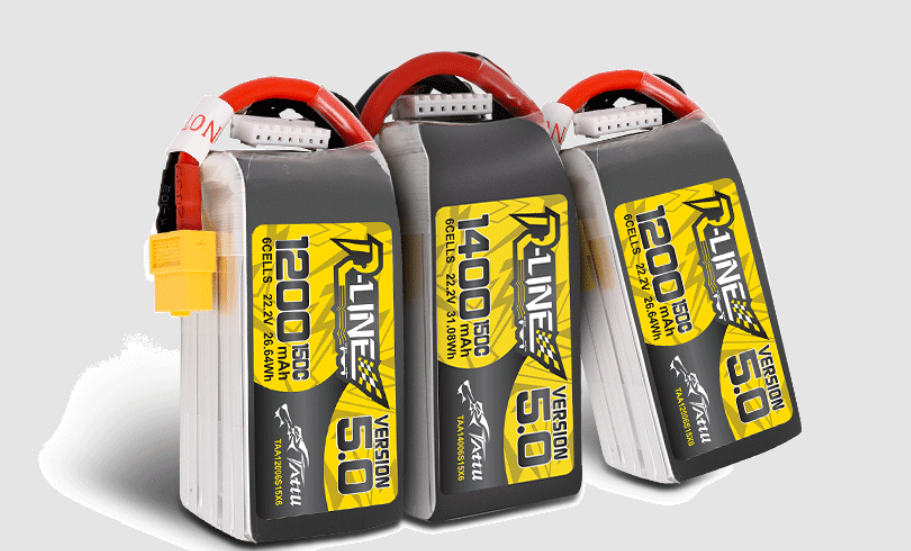
On paper, a 4s lipo battery looks almost boring. Four cells in series, nominal voltage around 14.8V, fully charged at 16.8V. Those numbers do not punch you in the face. But they land in a range where motors behave predictably, ESCs stay calmer, and systems feel less like they are constantly on edge.
That voltage tends to sit right in the overlap between control and excitement. Enough headroom to feel responsive, but not so much that every throttle input feels like it might snap something expensive. It is not that higher voltages are wrong. They just demand more attention, more tuning, more acceptance that things will break sometimes.
With a 4S setup, things still break, just maybe not as often.
See also: How IPTV in USA Is Changing the Technology Behind Television
Power Without the Constant Anxiety
One thing people do not always admit is how tiring it can be to manage excess. High cell counts bring power, yes, but they also bring heat, noise, vibration, and the low-level stress of knowing your margins are thinner. A 4S Lipo battery tends to operate in a calmer thermal zone, especially for mid-range motors and platforms.
Voltage sag still exists. Internal resistance still matters. Physics does not take days off. But the system usually degrades gracefully. You feel it softening before it fails, which gives you time to react, or at least complain about it, before replacing parts.
There is something comforting about that, even if it sounds unambitious.
Where 4S Quietly Shines in Real Builds
You see the 4S Lipo battery pop up again and again in FPV drones that value a smooth throttle feel, in RC vehicles built for longer sessions rather than top-speed passes, and in robotics projects where predictability matters more than peak output. It fits into these spaces almost invisibly.
Not because it dominates, but because it integrates easily. Motor KV options are plentiful. Chargers handle it effortlessly. Balance leads behave. And when you lend your setup to someone else, they are less likely to do something dramatic and irreversible within the first thirty seconds.
That alone is a practical advantage nobody really markets.
The Psychological Side of Mid-Level Power
This part is harder to quantify, but it matters. Running a 4s lipo battery changes how you interact with your build. You are more willing to experiment. More likely to fly or drive for longer sessions. Less obsessed with perfect conditions. The setup invites use rather than constant tweaking.
There is less fear of pushing the throttle because the consequences feel survivable. That confidence leads to better time control, which, ironically, makes the system feel faster in practice even if the raw numbers say otherwise.
It is not that 4S makes you better. It just punishes you less while you are learning.
Efficiency, Not Heroics
Efficiency is not a sexy word, but it keeps projects alive. A 4s lipo battery often operates closer to its comfort zone, which means less wasted energy as heat and fewer extreme current spikes. That translates into more consistent performance across a session, not just during the first few minutes.
You notice it when your components come down warm instead of alarmingly hot. You notice it when your flight times are predictable instead of optimistic. You definitely notice it when batteries age more slowly than expected, assuming they are treated reasonably well.
This is where the setup quietly earns trust.
Longevity and the Long View
Over time, patterns emerge. Builders who stick with a 4s lipo battery often replace parts less frequently, not because the setup is gentle, but because it does not constantly flirt with the edge of tolerance. Connectors last longer. Solder joints stay intact. Capacitors seem less offended by existence.
That forgiveness adds up financially and mentally.
So, Why Do People Still Move On?
Eventually, most people get curious. Not because something is wrong, exactly, but because bigger builds start whispering about more voltage, and racing setups reward sharper reactions than balance. Staying on a 4s lipo battery for too long can feel like you are circling the same block, even if the ride is smooth.
So people wander. They try higher cell counts, push harder, break a few things. Sometimes more than a few. That phase teaches you plenty, mostly about limits, and how fast things go sideways when you live near them. It can be fun, in short bursts.
What keeps happening, though, is the return. Not loudly. Just quietly. After the excitement fades and the constant tuning starts to feel like work, the middle ground looks different. Less safe, more intentional. With steadier hands and fewer points to prove, balance stops feeling like a compromise and starts feeling like restraint.
A Choice That Ages Well
The 4s lipo battery from RC Battery never promises dominance. It just offers a kind of steadiness that grows on you. Things feel quick enough without being fragile, responsive without always threatening to bite back. You can lean into it, ease off, and it usually meets you where you are.
Is it right for every build? No. Some setups outgrow it, genuinely. Is it impressive on paper? Not really. It rarely wins spec sheet arguments. But over time, reliability and feel start to outweigh raw numbers, especially when you are the one fixing things afterward.
That might explain why the 4s lipo battery keeps hanging around while newer, louder options rotate through. It does not demand attention.