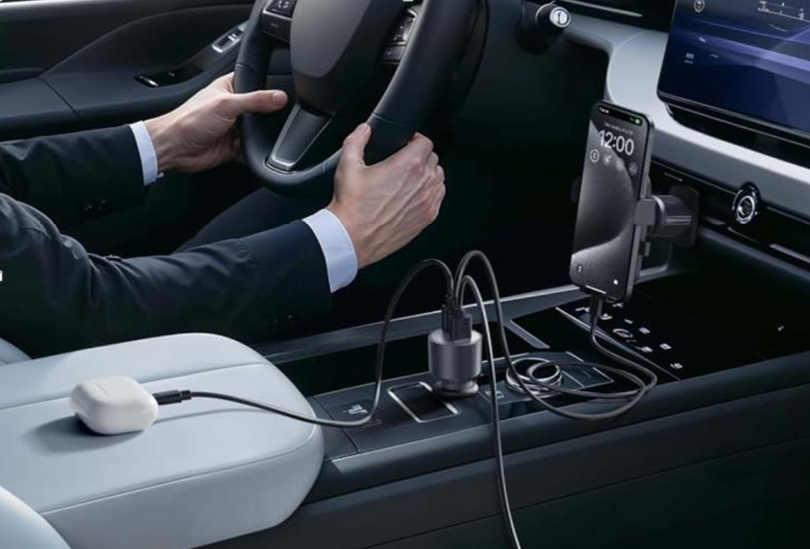

Drivers charge more devices in the car than ever before—phones, tablets, earbuds, notebooks, and navigation tools. Older car adapters were built for slow charging and limited compatibility, which no longer fits the needs of people who multitask on the road. As a result, USB-C car chargers have become the new standard. They offer higher power output, universal compatibility, and cleaner design. Drivers now expect faster charging for everything from a smartphone to a work laptop, especially during commutes or long trips. High-performance models such as the Anker Car Charger (167.5W, 3 Ports) show how far charging technology has evolved, bringing strong multi-device support to even the smallest car interiors.
Why USB-C Car Chargers Have Become the New Standard
They Deliver Faster and More Efficient Power
Older car adapters were not designed for the power needs of modern devices. They typically delivered slow wattages and were limited to USB-A ports. USB-C, on the other hand, supports high-speed charging that keeps up with power-hungry phones and notebooks. Drivers want meaningful battery boosts during short trips, and USB-C technology makes that possible. The first port on the Anker Car Charger (167.5W) offers 100W output—enough to bring a 16-inch MacBook Pro to 50% in under an hour. This level of speed turns the car into a practical charging hub, letting drivers stay productive and connected even when they spend limited time on the road. With efficient power transfer and reliable output, USB-C has become the preferred standard for modern charging.
They Support Multiple Devices at Full Speed
Drivers rarely travel with just one device. Passengers may need to charge a tablet, the driver may need power for navigation, and someone else may need to top up earbuds or a portable hotspot. Older car chargers usually offered one usable port and one slower port, which caused uneven charging speeds. USB-C car chargers are designed for balanced multi-device support. The Anker Car Charger (167.5W) includes two USB-C ports plus a USB-A port, providing strong output across all of them. The second USB-C port offers 45W, ideal for powering phones or compact devices quickly, while the USB-A port adds another 22.5W. This setup ensures every device receives a fast, reliable charge without compromising others.
They Improve Driving Convenience With Cleaner Design
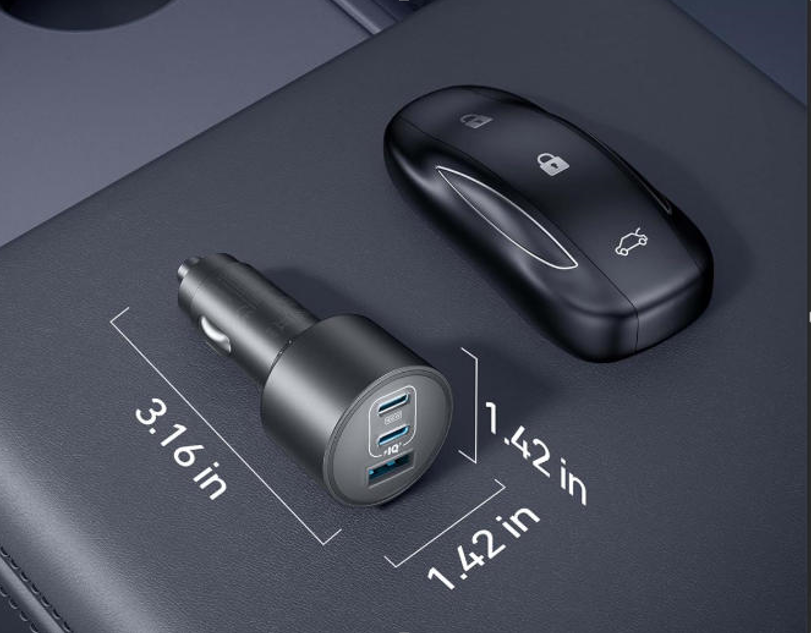
The shift from older adapters to modern USB-C chargers is also about comfort. Traditional adapters often protruded awkwardly from the outlet, added cable clutter, or lacked the power needed to justify their size. Modern USB-C car chargers feature compact builds that blend into the dashboard. The Anker Car Charger’s tiny design keeps the interior neat and avoids blocking surrounding controls. This minimalist look also supports better cable management—USB-C cables are slimmer, more flexible, and easier to store. Drivers appreciate that a charger can stay plugged in permanently without disrupting the car’s appearance. As more people prefer clean car interiors, compact USB-C chargers have become the clear choice.
See also: The Most High-Tech Hotels in the World Accepting Cryptocurrency Payments
How USB-C Chargers Transform On-the-Go Charging Habits
They Allow Drivers to Charge Laptops and Larger Devices
One major change in charging expectations is the ability to power larger devices during travel. Before USB-C, car adapters could barely support phones, let alone notebooks. With USB-C’s higher wattage capabilities, drivers can now use a laptop on the go—especially for work or long trips. A 100W USB-C port, like the one found on the Anker Car Charger, supports demanding devices with stable output. This allows professionals to stay productive, students to work on assignments, and travelers to maintain access to essential tools. The ability to charge larger devices transforms the car from a limited power source into a mobile workstation.
They Provide More Reliable Charging for Navigation and Communication
Navigation apps consume significant battery power, especially when running for long periods. Drivers depend on their phones for real-time traffic updates, maps, and route adjustments. An underpowered charger may not keep up with battery usage, causing the phone to drain even while plugged in. USB-C chargers solve this problem with higher wattage output. They deliver enough power to charge the phone and support active navigation simultaneously. The 45W USB-C port on the Anker Car Charger ensures stable charging for both iPhones and Samsung devices while navigation runs smoothly. Reliable charging helps keep the driver focused without worrying about low battery levels during important trips.
They Simplify Charging Across Brands and Devices
The shift toward USB-C also creates universal compatibility. Older adapters often worked best with specific devices or required separate cables. USB-C has become a widely accepted charging standard across smartphones, tablets, and even notebooks. This reduces confusion for drivers, who no longer need to wonder whether their charger will support a certain device. Whether someone carries multiple brands or travels with family members who use different phones, a USB-C charger supports everyone. The Anker Car Charger includes both USB-C and USB-A ports, ensuring that older accessories remain compatible while newer devices enjoy faster speeds.
Conclusion
USB-C car chargers are replacing older car adapters because they offer faster, cleaner, and more capable charging for modern devices. Drivers expect their chargers to keep up with smartphones, tablets, earbuds, and even laptops. USB-C technology delivers this with higher wattage, efficient power distribution, and universal compatibility. Compact designs help chargers blend into the car interior without getting in the way, while multi-port setups keep everyone powered during road trips or daily commutes. For drivers who want simpler, faster, and more reliable charging on the road, upgrading to a usb c car charger is a natural next step.