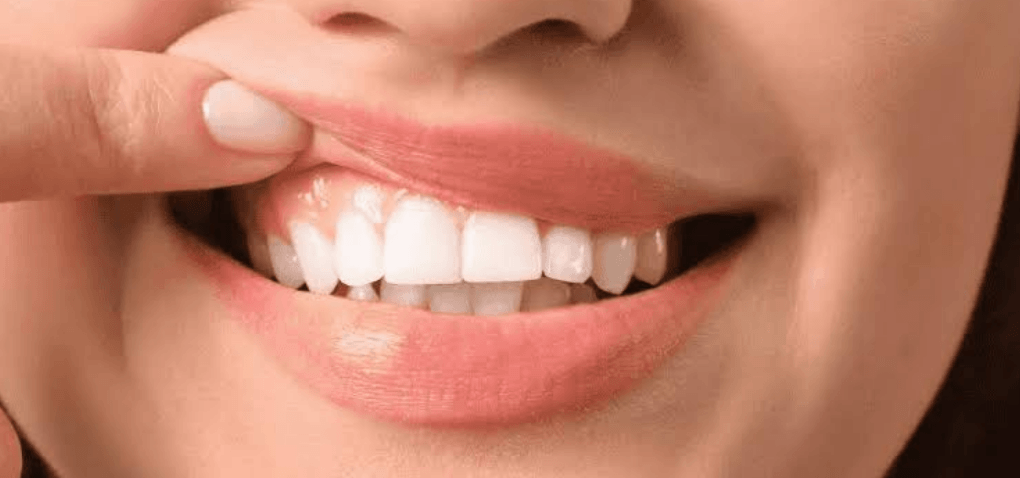

You might be feeling a mix of relief and worry right now. Relief that your dental implants are in place and your smile looks more like “you” again, thanks to advanced periodontal care in Orange County. Worry that you could somehow mess it up and end up back in the chair, facing more treatment, more cost, and more stress.
Maybe you have tender gums around a new implant. Maybe you had implants years ago and suddenly notice a little bleeding when you brush. Or you have read a few horror stories about implants failing and now you are wondering what is normal and what is not.
You are not being “paranoid.” Caring for your gums and implants long term really does matter. The good news is that most problems are preventable with the right daily habits and a bit of professional support over time.
Here is the short version. Keep your gums healthy, keep your implants clean, and pay attention to small changes early. The six tips below will show you how to do that in a simple, realistic way, so your implants last as long as possible and your mouth feels comfortable and stable.
Why do healthy gums matter so much for implants over the years?
Dental implants are different from natural teeth. They do not get cavities, but they can lose bone support if the surrounding gums are not healthy. When plaque and bacteria sit around the implant, the tissues can become inflamed. Over time, that can lead to bone loss and, in serious cases, implant failure.
So where does that leave you if you already have implants in place, or you are about to get them?
Think of it this way. The implant is the “post,” but your gums and bone are the “soil.” You can buy the best post in the world. If the soil is weak, the post will not stay solid. This is why long term gum care is just as important as the surgery itself.
Conditions like gum inflammation and periodontal disease are very common in adults, and they do not magically stop because you now have implants. The Centers for Disease Control and Prevention explains how common gum disease is and how it progresses from mild to severe if it is not treated.
When gum disease develops around implants, it is often called peri implant disease. It usually starts quietly. Maybe a little redness, a bit of bleeding when you floss, or a bad taste you notice now and then. Many people ignore these early signs, which is when things can slowly get worse.
The solution is not to obsess over every sensation. The solution is a steady routine and knowing what to watch for, so you do not get caught off guard.
What can go wrong if you do “nothing” versus caring for gums and implants?
It can help to imagine two different paths.
On the first path, someone gets implants, feels great, then slowly slips into old habits. Brushing is rushed. Flossing is rare. They skip dental visits because life is busy or finances are tight. A few years later, they notice swelling around one implant. The dentist finds bone loss. Treatment is more complex and more expensive than a simple cleaning would have been.
On the second path, someone else gets implants and treats them as an investment. They brush carefully around the gums. They floss or use interdental cleaners. They keep up with regular checkups. When a small issue starts, the periodontist spots it early and handles it with a simple adjustment or cleaning. The implants stay stable and comfortable.
So the question becomes, how do you stay on that second path without feeling overwhelmed?
First, understand that long term implant care is not about perfection. It is about consistency. The National Institute of Dental and Craniofacial Research has simple guidance on daily oral hygiene, which applies to both natural teeth and implants. You can see that advice in their page on basic oral hygiene practices.
Second, know that you do not have to guess about what is safe for implants. There are clear recommendations from experts. The American Academy of Oral Medicine shares practical tips about cleaning around implants, types of brushes, and how often to follow up. You can review those details in their guide on care of dental implants.
Finally, understand that implants are medical devices. Like any medical device in your body, they should be monitored. The U.S. Food and Drug Administration explains what patients should know about implant risks, maintenance, and signs of trouble. For a deeper look, you can visit their page on what you should know about dental implants.
How do long term implant risks compare when you care for them versus when you do not?
To make this more concrete, here is a comparison of what usually happens when someone follows a steady care routine versus when they take a “wait and see” approach with their gums and implants.
| Long term factor | Consistent home care and checkups | Minimal care and irregular visits |
| Gum health around implants | Gums usually stay pink and firm with little or no bleeding | Higher chance of redness, swelling, and bleeding that can progress |
| Bone support around implants | Bone loss is slower and often very limited | Bone loss can accelerate, increasing risk of implant loosening |
| Comfort when chewing | Chewing feels stable and predictable over time | Possible soreness, shifting sensation, or bite changes |
| Financial impact over 10 years | Mostly routine cleanings and minor adjustments | Higher chance of deep cleanings, gum surgery, or even implant replacement |
| Stress level | More confidence that implants are under control | Frequent worry about unexpected problems or emergencies |
This is why long term care for your gums and implants is less about doing something dramatic and more about stacking small, protective habits year after year.
Six practical tips to care for your gums and implants long term
You might be wondering what to actually do, starting today. Here are six realistic tips you can build into your routine.
1. Brush gently, but thoroughly, around the gumline twice a day
Use a soft bristled toothbrush. Angle the bristles toward the gumline and clean where the implant crown meets the gum. This is where plaque likes to sit. Electric toothbrushes can help if your hands get tired or you tend to rush. The key is not scrubbing harder. The key is taking your time and covering every surface.
2. Use floss or interdental cleaners made for implants
Regular floss is better than nothing, but many people find special implant floss, floss threaders, or small interdental brushes easier to use around bridgework or multiple implants. These tools reach between the implant and neighboring teeth, where a toothbrush cannot. If your gums bleed a little at first, that can be a sign they need more cleaning, not less. Over a week or two, bleeding usually improves if you keep up the routine.
3. Rinse with an antimicrobial mouthwash if your periodontist recommends it
A short course of antimicrobial rinses can help control bacteria after surgery or during a flare up. Long term, many people do well with a gentle alcohol free rinse once a day. It is not a replacement for brushing and flossing. Think of it as backup support, especially in those hard to reach areas around complex implant work.
4. Protect your implants from grinding and clenching
If you grind your teeth at night or clench during the day, the extra force can stress both natural teeth and implants. Over time, that can irritate the gums and supporting bone. A custom night guard from your dentist spreads out the pressure and helps protect your investment. If you wake up with jaw soreness or headaches, or your partner hears grinding, it is worth asking about.
5. Do not ignore small warning signs
Pay attention to changes like new bleeding, swelling, a bad taste, or a feeling that an implant crown is “not quite right.” These small shifts are your early alert system. Contact your periodontist and implant dentist if you notice them. Early treatment is usually simple. Waiting turns simple problems into bigger ones.
6. Commit to regular visits with a periodontist and implant dentist
Even if your mouth feels fine, regular checkups and cleanings are non negotiable for long term implant success. X rays help monitor the bone. Professional cleanings remove hardened deposits you cannot reach at home. Your dental team can also refresh your technique and adjust your care plan as you age or as your health changes.
Three immediate steps you can take today
Step 1: Check your current routine with honest eyes
Ask yourself what you actually do each morning and night. How long do you brush. Do you floss around your implants most days, or only when you remember. Write down what you do now. Then choose one small upgrade, such as adding nightly flossing around the implants or switching to a soft electric brush.
Step 2: Schedule a focused implant and gum checkup
If it has been more than six months since someone checked your implants, call your periodontist and implant dentist and ask for a visit that specifically reviews your implants and gum health. Bring your questions. Ask them to show you the best way to clean around your exact type of implant work. Personalized guidance is often easier to follow than generic advice about a periodontist and implant dentist.
Step 3: Create a simple reminder system
Good intentions fade when life gets busy. Set a reminder on your phone at night for your full oral care routine. Keep floss or interdental brushes where you will see them. If you use a calendar, mark your next cleaning appointment as soon as you leave the office. Make caring for your implants as automatic as taking other daily medications or brushing your hair.
See also: How to Start a Brokerage Business in Dubai
Moving forward with confidence about your gums and implants
You do not need to be perfect to keep your gums and implants healthy for the long term. You just need to be consistent, pay attention to early signs, and stay connected with a trusted dental team. Modern implant dentistry is designed to support you for many years. Your daily habits are what help it live up to that promise.
If you feel overwhelmed, start with one change tonight. Brush a little more carefully around the gums. Add flossing around your implants before bed. Then build from there. Over time, these small steps protect your smile, your comfort, and your peace of mind.