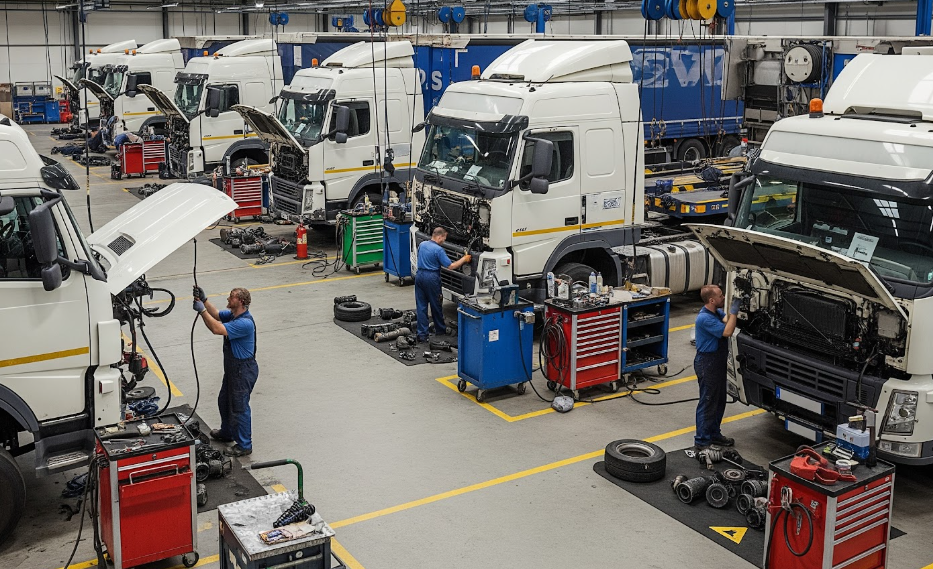

Buying a commercial truck is not like buying a personal vehicle. It is a business decision that affects revenue, reliability, and your ability to deliver work on time. When the truck is running, your operation keeps moving. When it is down, the costs stack up fast: missed jobs, delayed deliveries, unhappy clients, and a schedule that falls apart.
This guide is for Australian business owners and operators searching for heavy-duty, work-ready units. It is not about pickup trucks. It focuses on the kinds of commercial trucks used in construction, transport, civil works, mining support, waste services, agriculture, and general freight, where payload, compliance, and uptime matter daily.
For a general background on what a truck is (and how it is defined), Wikipedia has a useful overview:
https://en.wikipedia.org/wiki/Truck
Why business buyers look for work trucks differently
Most businesses are not chasing “the best looking truck”. They are trying to solve a practical problem:
- Increase capacity to take on more work
- Replace an older unit that is costing too much in downtime
- Add a specialised configuration for a new type of contract
- Standardise the fleet to simplify servicing and driver training
- Improve safety and comfort for long shifts
That is why the best starting point is not a brand or a price. It is the job the truck needs to do, day after day.
See also: Future of Global Tech Delivery Software Development Company Models
How to approach trucks for sale with a business mindset
When you are comparing options, focus on fit, cost over time, and whether the unit will stay productive under Australian conditions.
Fit for the job first
“Close enough” can be expensive in commercial work. Start by writing down:
- Typical payload and maximum payload
- Metro stop-start work or long regional runs
- Site conditions: sealed roads, rough access, dust, heat, inclines
- Body type required: tipper, tray, hooklift, prime mover, agitator, tanker, and more
- Daily run hours and expected yearly kilometres
A truck that is underpowered, overloaded, or wrong for the route will show it quickly through wear and breakdowns.
Whole-of-life cost matters more than purchase price
The sticker price is only the beginning. The real cost includes:
- Fuel use over years
- Routine servicing and wear items
- Tyres and brake consumption
- Downtime and lost productivity
- Body fitout cost and installation time
- Insurance and compliance requirements
A truck that is cheaper upfront can become more expensive if it uses more fuel or spends more time off the road.
Uptime is the profit driver
Most operators know this in their gut: if the truck is parked, the business is bleeding time.
A smart buyer asks:
- How easy is it to service?
- Are parts available quickly?
- How does it handle harsh conditions and heavy loads?
- What is the realistic maintenance workload?
Commercial truck types and configurations used in Australia
Configuration affects safety, compliance, payload distribution, and how the truck behaves under load.
When you compare options, think about:
- Axle configuration and weight distribution
- Chassis strength and suitability for body types
- Transmission choice for your duty cycle
- Suspension type based on your roads and work sites
- Braking systems and safety features
- Turning circle and access needs
A truck that excels on highways may not be the best choice for frequent site entry, rough surfaces, and stop-start conditions.
Matching the truck to the body you actually need
Most businesses are not buying a “truck” in the abstract. They are buying an asset that will run a specific body type.
Common work applications include:
- Tippers for civil and quarry work
- Tray trucks for general freight and equipment movement
- Hooklifts for waste, recycling, and site services
- Prime movers for heavy haulage roles
- Tankers and specialised transport tasks
Each body type changes the demands on the truck:
- stability and centre of gravity
- hydraulic and PTO requirements
- braking and tyre wear
- site manoeuvrability
- ongoing maintenance workload
Planning the body fitout early prevents downtime surprises after purchase.
New vs used work trucks: what businesses consider
There is no one correct answer. It comes down to budget, risk, and how critical the unit is to operations.
New trucks can suit when
- You want predictable reliability and warranty coverage
- You plan to keep the truck long term
- You need modern safety and comfort features
- You are building a standard fleet configuration
- You want fewer unknowns early on
Used trucks can suit when
- You need capacity quickly with lower upfront spend
- The unit is a secondary or seasonal truck
- You have strong internal maintenance capability
- The service history is clear and the inspection outcome is solid
A used truck can be a great buy, but only when documentation and inspection are treated seriously.
The inspection checklist before you commit
Whether it is new or used, a structured checklist helps avoid expensive surprises.
Mechanical and operational checks
- Engine condition and leaks
- Transmission behaviour under load
- Brakes and air systems
- Suspension wear and steering play
- Electrical reliability and charging system health
- Cooling system condition, especially for WA heat
Documentation checks
- Service history and maintenance records
- Specification details and build information
- Registration status and encumbrance checks
- Evidence the truck suits your intended application
Fitout planning checks
If you need a body fitted:
- Lead times for fitout
- Hydraulic and electrical requirements
- Toolboxes, lighting, safety gear, signage
- Compliance checks required after fitout
Fitout downtime is one of the most underestimated parts of the buying process.
A Perth starting point for business buyers
Buying locally can make inspections, handover, and follow-up easier, especially if you need a truck ready to work quickly.
If you live in Perth and you are looking for a truck for sale, you can start here: trucks for sale
Mistakes that cost businesses money
These are the mistakes that repeat across fleets and industries:
- Buying based on price instead of job fit
- Underestimating fitout costs and lead times
- Ignoring driver comfort and fatigue issues
- Not planning servicing access and parts availability
- Choosing configurations that struggle in Australian conditions
- Overloading or stretching compliance boundaries
- Skipping documentation checks and history review
Avoiding these usually saves far more than negotiating a slightly cheaper deal.
How to make a confident purchase decision
Before you commit, confirm five things:
- The truck suits your daily workload and routes
- The total cost over time makes sense
- The body fitout plan is realistic and timely
- Compliance requirements are clearly understood
- The truck improves uptime rather than creating downtime
If you can tick these off, you are more likely to buy an asset that supports growth rather than becoming a maintenance headache.
FAQs
1. What should I prioritise when comparing trucks for commercial work?
Job fit, whole-of-life cost, and uptime. Start with payload, routes, conditions, and body requirements, then compare based on how the truck will perform over years.
2. Is it better to buy new or used?
It depends. New can offer predictability and warranty coverage. Used can offer value if the history is clear and the unit is inspected properly.
3. Why does configuration matter so much?
Configuration affects stability, payload distribution, compliance, and wear. A setup that suits highways may not suit site work, and vice versa.
4. What documentation should I check before buying a used truck?
Service history, maintenance records, specs, registration status, and any information confirming it fits your intended application.
5. What is commonly underestimated when buying a truck with a body fitout?
Fitout lead times and downtime. Hydraulic, electrical, safety equipment, and compliance checks can add time and cost if they are not planned early.