
Power outages are more than just an inconvenience for businesses—they can halt operations, disrupt customer service, damage equipment, and result in significant financial losses. In an era where businesses rely heavily on technology, digital infrastructure, and automated systems, uninterrupted electricity is essential.
For many organizations, investing in reliable backup power solutions has become a key part of operational planning. Backup systems allow businesses to continue operating during outages, protect sensitive equipment, and maintain safety for employees and customers.
The Real Cost of Power Outages for Businesses
Many business owners underestimate how costly a power outage can be until it happens. Even short interruptions can have cascading effects across operations.
Common consequences of commercial power outages include:
- Lost productivity when employees cannot work
- Interrupted sales transactions and customer service
- Spoiled inventory in restaurants or grocery stores
- Data loss or server disruptions
- Security system downtime
- Equipment damage from sudden power loss
For industries such as healthcare, manufacturing, retail, and technology, even a brief outage can lead to serious financial consequences.
Backup power systems help mitigate these risks by providing immediate electricity when the main grid fails.
See also: Elevating Homes Across Houston With Expert Remodeling Solutions
Industries That Depend on Reliable Backup Power
While nearly every business benefits from backup power, some industries rely on it even more heavily due to operational sensitivity.
Healthcare Facilities
Hospitals, clinics, and laboratories rely on electrical systems for critical equipment, patient monitoring, and life-support systems. Backup power ensures these operations continue safely during outages.
Technology and Data Centers
Companies managing servers, cloud systems, and IT infrastructure cannot afford interruptions. Even seconds of downtime can result in data corruption or service outages.
Restaurants and Food Businesses
Power loss in food-related businesses can cause refrigeration failure and spoil large amounts of inventory.
Manufacturing and Industrial Operations
Production lines often depend on automated machinery that can be damaged or disrupted by sudden power interruptions.
Office Buildings and Commercial Spaces
Businesses operating in office environments depend on internet connectivity, lighting, climate control, and computer systems to function.
Because of these dependencies, backup power planning is increasingly considered a standard requirement for commercial properties.
Types of Backup Power Solutions
Businesses have several options when it comes to backup power, depending on their operational needs and building infrastructure.
Standby Generators
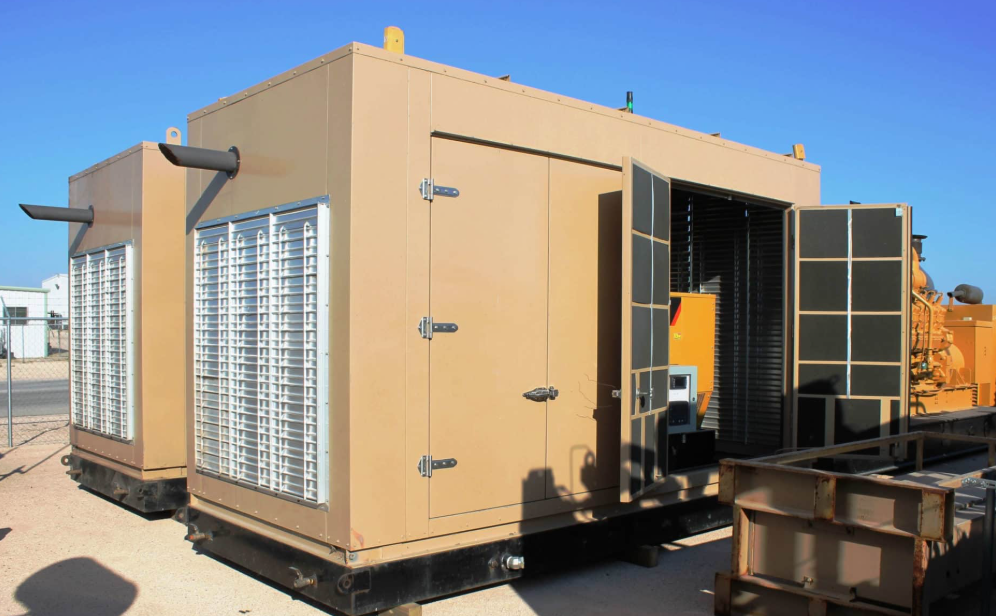
Standby generators are permanently installed systems that automatically activate when a power outage occurs. They are connected directly to the building’s electrical system and can power essential circuits or the entire facility.
These generators are typically fueled by natural gas, diesel, or propane.
Portable Generators
Portable generators are smaller units that can temporarily power certain equipment. While useful in some situations, they are not typically suitable for large commercial operations due to limited capacity and manual setup.
Battery Backup Systems
Battery energy storage systems can provide short-term power to critical equipment such as servers and networking systems. These systems are often used in combination with generators to provide seamless power transition.
Each solution has its own benefits, but most commercial facilities rely on permanent standby systems for reliable coverage.
Key Considerations When Installing Backup Generators
Installing a backup power system requires careful planning and professional electrical design. Several factors influence which solution is best for a commercial property.
Power Load Requirements
The system must be properly sized to support the electrical load of the building or selected critical systems.
Automatic Transfer Switches
An automatic transfer switch detects when utility power fails and immediately transfers the electrical load to the generator. This ensures power restoration happens within seconds.
Fuel Source Availability
Generators can run on diesel, propane, or natural gas. The best option depends on fuel availability, storage requirements, and building infrastructure.
Maintenance and Testing
Regular maintenance ensures the generator operates reliably during emergencies. Periodic testing verifies that systems will start and run properly when needed.
Businesses that install professionally designed backup generators for commercial buildings can significantly reduce operational risks associated with unexpected power failures.
How Backup Power Improves Business Continuity
Business continuity planning is a major priority for organizations that rely on consistent service delivery. Backup power systems play a critical role in keeping operations running smoothly during emergencies.
Benefits include:
- Maintaining essential services during outages
- Protecting valuable inventory and equipment
- Preserving digital systems and data
- Supporting safety systems such as alarms and emergency lighting
- Reducing financial losses caused by downtime
When power interruptions occur due to storms, infrastructure failures, or grid overload, businesses with backup power systems can continue serving customers while competitors may be forced to shut down temporarily.
Planning for Future Energy Needs
As businesses adopt more technology and electric-powered infrastructure, electrical demand continues to rise. Electric vehicle charging stations, advanced HVAC systems, and automated equipment are all increasing the load placed on commercial electrical systems.
Backup power systems should be designed with scalability in mind so they can accommodate future upgrades and expanding electrical needs.
Working with experienced commercial electricians ensures that generator systems are properly integrated with existing electrical infrastructure while allowing room for growth.
Conclusion
Reliable electricity is fundamental to the operation of modern commercial buildings. When outages occur, businesses without backup systems face operational disruptions, financial losses, and potential safety risks.
By investing in professionally installed backup generators for commercial buildings, organizations can protect their operations, maintain customer service, and ensure critical systems remain functional during emergencies.