
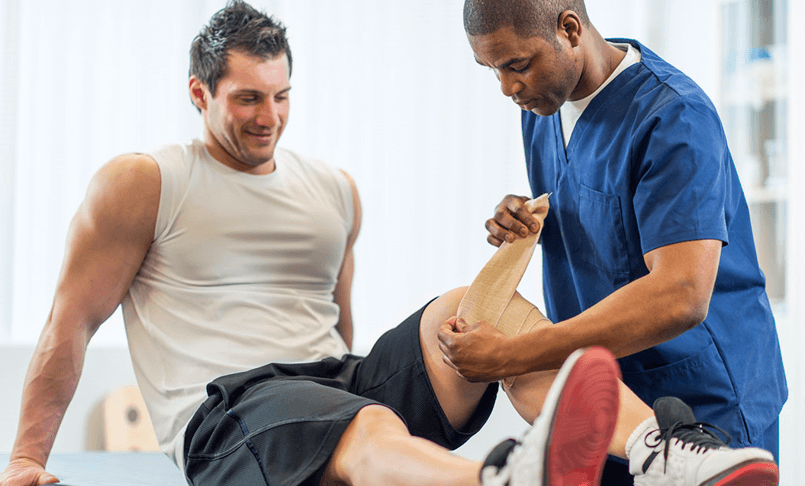

An ACL (anterior cruciate ligament) injury is one of the most common knee injuries, especially among athletes and physically active individuals. The ACL is a key ligament that helps stabilize the knee joint and supports movements such as running, jumping, and changing direction.
Injuries to the ACL can range from mild sprains to complete tears, commonly causing pain, swelling, and instability in the knee. Understanding treatment options and recovery timelines is essential for effective management and a safe return to daily activities or sports.
Early diagnosis and appropriate treatment can help prevent long-term complications and improve overall knee function.
What Is an ACL Injury?
The anterior cruciate ligament (ACL) is one of the major ligaments in the knee that connects the thigh bone (femur) to the shinbone (tibia). It plays an important role in maintaining knee stability.
An ACL injury occurs when this ligament is stretched or torn, usually due to sudden movements or impact.
Common Causes of ACL Injuries
ACL injuries generally occur during:
- Sudden stops or changes in direction
- Jumping and landing incorrectly
- Direct blows to the knee
- Sports such as football, basketball, or skiing
These movements can place excessive stress on the ligament, leading to injury.
Symptoms of an ACL Injury
Recognizing the symptoms of an ACL injury is important for timely medical evaluation.
Common Symptoms
- A popping sound at the time of injury
- Severe pain in the knee
- Rapid swelling
- Loss of range of motion
- Feeling of instability or “giving way”
These symptoms generally appear immediately after the injury and may worsen with movement.
Types of ACL Injuries
ACL injuries are classified based on severity.
Grade 1 (Mild Sprain)
The ligament is slightly stretched but still intact. Knee stability is usually maintained.
Grade 2 (Partial Tear)
The ligament is partially torn, leading to some instability in the knee.
Grade 3 (Complete Tear)
The ligament is completely torn, resulting in significant instability and loss of function.
The type of injury determines the treatment approach and recovery time.
Diagnosis of ACL Injuries
Proper diagnosis is essential to determine the extent of the injury and plan treatment.
Diagnostic Methods
- Physical examination
- MRI scan
- X-rays (to rule out fractures)
Doctors assess knee stability, swelling, and range of motion to confirm the diagnosis.
Treatment Options for ACL Injury
Treatment depends on the severity of the injury, activity level, and individual goals.
1. Non-Surgical Treatment
Mild to moderate ACL injuries may be managed without surgery.
Common Non-Surgical Approaches
- Rest and activity modification
- Ice and compression to reduce swelling
- Physical therapy
- Knee braces for support
Rehabilitation focuses on strengthening muscles around the knee and improving stability.
2. Surgical Treatment
Surgery is usually recommended for complete ACL tears, especially in active individuals.
ACL Reconstruction Surgery
The damaged ligament is replaced with a graft taken from another tendon in the body or from a donor.
In Ahmedabad, individuals with complete ligament tears or high activity demands commonly look for hospitals offering effective ACL surgery in Ahmedabad to restore knee stability and return to sports or active lifestyles.
See also: Washington ESA Laws: Your Complete Guide
Recovery Time After ACL Injury
Recovery time varies depending on the type of injury and treatment method.
Non-Surgical Recovery
- Mild injuries: a few weeks to months
- Focus on strengthening and mobility
Post-Surgery Recovery
- Initial recovery: 6 to 12 weeks
- Full recovery: 6 to 9 months or longer
Returning to sports may take additional time depending on rehabilitation progress.
Rehabilitation and Physical Therapy
Rehabilitation is an important part of ACL injury recovery.
Goals of Rehabilitation
- Restore knee strength
- Improve flexibility
- Enhance stability
- Prevent re-injury
Physical therapy programs are tailored to individual needs and recovery stages.
Phases of Rehabilitation
- Early phase: reducing pain and swelling
- Intermediate phase: improving strength and mobility
- Advanced phase: returning to sports or high-level activity
Consistent therapy is essential for successful recovery.
Risks and Complications
While most ACL injuries can be treated effectively, certain risks may be involved.
Possible Complications
- Knee stiffness
- Re-injury
- Infection (in surgical cases)
- Persistent instability
Proper treatment and rehabilitation help minimize these risks.
Preventing ACL Injuries
Preventive measures can reduce the risk of ACL injuries, especially for athletes.
Prevention Tips
- Strengthen leg muscles
- Practice proper techniques during sports
- Use appropriate footwear
- Warm up before physical activity
- Avoid sudden movements without preparation
Injury prevention programs can be particularly beneficial for active individuals.
When to See a Doctor
It is important to seek medical attention if you experience symptoms of an ACL injury.
Warning Signs
- Severe knee pain
- Swelling after injury
- Difficulty bearing weight
- Knee instability
Early evaluation ensures proper diagnosis and timely treatment.
Frequently Asked Questions
Can an ACL injury heal without surgery?
Mild or partial tears may heal with rehabilitation, but complete tears usually require surgery for full recovery.
How long does it take to recover from ACL surgery?
Full recovery may take 6 to 9 months, depending on rehabilitation and individual progress.
Is ACL surgery necessary for everyone?
Not always. The need for surgery depends on the severity of the injury and the patient’s activity level.
Can you walk with a torn ACL?
Some people can walk, but the knee may feel unstable and at risk of further injury.
How can ACL injuries be prevented?
Strength training, proper techniques, and warm-up exercises can help reduce the risk.
Conclusion
An ACL injury can significantly impact mobility and daily activities, especially if not treated properly. Understanding the symptoms, treatment options, and recovery process is essential for effective management.
While mild injuries may be managed with rehabilitation, severe cases generally require surgical intervention. With proper care, therapy, and preventive measures, individuals can recover successfully and return to their normal activities.
Early diagnosis and a structured treatment plan play a key role in achieving the best possible outcomes.


