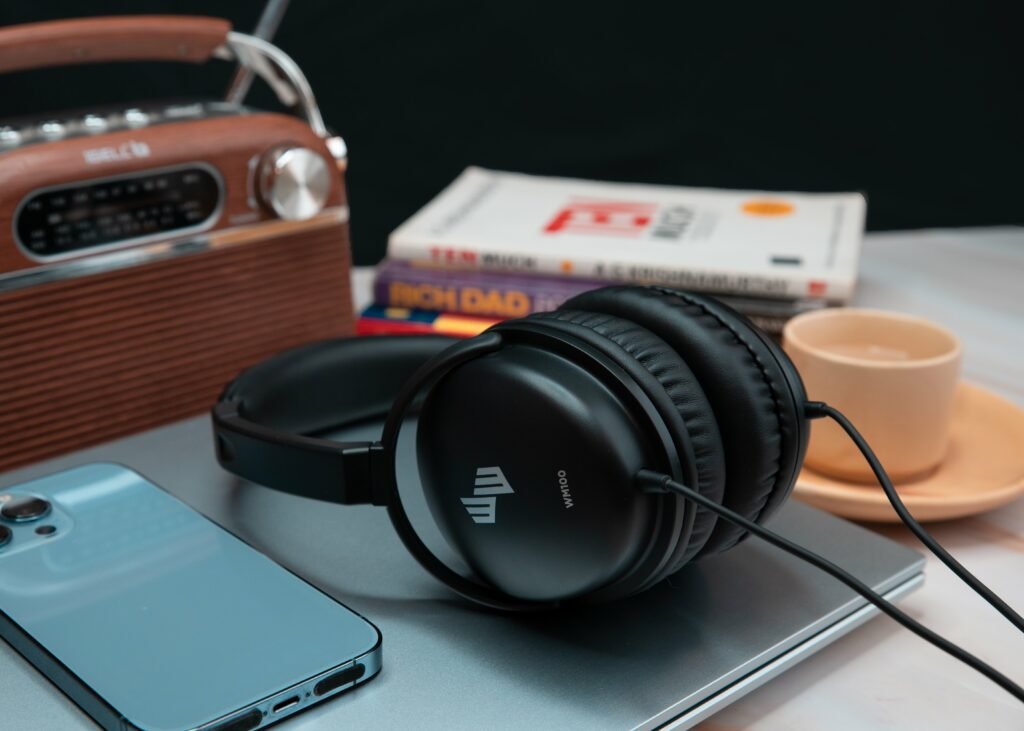

Headphones are among the most widely used audio devices in the world, from casual listeners and commuters to audiophiles and professional sound engineers. Despite their popularity, there’s a lot of misinformation surrounding headphones. Misconceptions about sound quality, battery life, safety, and usage can prevent users from getting the best experience or even harm the longevity of their devices.
In 2026, headphone and wireless earbuds technology has become increasingly sophisticated, spanning wired, wireless, true wireless, over-ear, on-ear, in-ear, noise-canceling, and smart models. With so many options, it’s easy for myths to take hold. Debunking these myths helps listeners make informed decisions, optimize their audio experience, and ensure their headphones last longer. This guide addresses common misconceptions, explains the truth behind them, and offers practical advice for g by etting the most out of any headphones.
Myth 1: Expensive Headphones Always Sound Better
One of the most pervasive myths is that higher price automatically means better sound quality. While premium headphones often use higher-quality materials, advanced drivers, and innovative technology, price alone does not guarantee superior audio.
Sound perception is subjective and depends on personal preferences. Some people prefer stronger bass, others prioritize clarity in mids or treble. A mid-range pair of headphones may outperform a high-end model for a listener who enjoys bass-heavy tracks or specific genres.
What really matters is the combination of design, driver quality, tuning, and fit. Trying headphones in person or reading detailed reviews can help users find the best-sounding option for their needs, rather than assuming price alone indicates quality.
Myth 2: Bigger Headphones Always Deliver Better Sound
Over-ear headphones are often assumed to offer superior audio simply because they are larger. While size allows for larger drivers and better soundstage, it is not the only factor determining sound quality.
Driver technology, acoustic design, and materials play a critical role. Some in-ear and on-ear headphones use advanced driver engineering to produce deep bass, clear mids, and crisp highs comparable to much larger models.
Size does contribute to comfort and isolation, but when choosing headphones, it’s important to consider the complete design rather than assuming bigger equals better.
Myth 3: Noise-Canceling Headphones Block All Sound
Many users believe that active noise-canceling (ANC) headphones make the surrounding world completely silent. The truth is that ANC primarily reduces low-frequency, constant noises such as airplane engines, traffic hum, or air conditioning.
High-frequency sounds, sudden noises, or voices are less effectively canceled. Transparency or ambient modes are often needed for safety during outdoor activities, allowing users to hear their surroundings while still enjoying immersive audio.
Understanding the limitations of ANC prevents unrealistic expectations and ensures users choose the right headphones for their environment.
Myth 4: Wireless Headphones Have Worse Sound Than Wired
Another common misconception is that wireless headphones automatically sacrifice sound quality. While early Bluetooth models did struggle with limited bandwidth and latency issues, modern wireless technology has advanced significantly.
High-quality wireless headphones use advanced codecs such as aptX HD, LDAC, or AAC, which preserve audio fidelity and reduce compression artifacts. In many cases, top-tier wireless models deliver sound nearly indistinguishable from wired headphones.
For casual listeners, the convenience of wireless outweighs any negligible differences in sound quality. Even for audiophiles, modern wireless models are now viable alternatives to wired solutions.
Myth 5: You Need to “Burn In” Your Headphones
Many people believe that new headphones require a “break-in” period, where playing music for several hours will improve sound quality. The idea is that drivers need to loosen up before performing optimally.
While minor mechanical changes can occur during early use, research shows that burn-in has negligible impact on audio quality for most modern headphones. Perceived changes are often due to the listener becoming accustomed to the sound rather than the headphones themselves.
This myth persists largely due to anecdotal reports, but users can feel confident using their headphones immediately without worrying about burn-in procedures.
Myth 6: Higher Impedance Always Means Better Headphones
Impedance, measured in ohms, indicates how much electrical resistance a headphone has. Some assume that higher impedance equates to better sound. In reality, impedance simply determines the type of device needed to drive the headphones efficiently.
High-impedance headphones often require external amplifiers to achieve optimal volume and performance. Low-impedance headphones can be driven effectively by smartphones or laptops. Choosing headphones based on impedance should consider the devices you plan to use rather than assuming higher numbers automatically provide better sound.
Myth 7: Noise-Canceling Uses a Lot of Battery
While it’s true that ANC consumes some power, modern headphones are optimized to minimize battery drain. Most true wireless and over-ear models provide several hours of playback with ANC active, and many offer fast charging to quickly recover battery life.
Some users unnecessarily disable ANC to conserve battery, but in practice, the difference is often modest. Manufacturers design power-efficient circuits and adaptive ANC modes that balance performance and energy consumption.
See also: What to Expect from a Graduate Curriculum in Business Analytics
Myth 8: You Should Max Out Volume for the Best Experience
Many people believe that listening at maximum volume ensures the best sound quality. In reality, extreme volume often distorts audio, overdrives drivers, and can damage hearing.
Optimal listening involves a balance—enough volume to hear details clearly but not so much that it causes strain or distortion. Modern headphones may include volume-limiting or adaptive features to prevent accidental over-amplification, protecting both the listener and the device.
Myth 9: Wireless Headphones Are Less Durable
Durability concerns often make people hesitant to adopt wireless or true wireless headphones. However, advancements in design and materials have improved longevity. Many models are sweat-resistant, water-resistant, and built to withstand daily wear.
Physical damage is possible if the headphones are mishandled, but with proper care, wireless headphones can be just as durable as wired models. The convenience and freedom they offer outweigh potential durability concerns for most users.
Myth 10: You Can’t Use High-End Headphones with Phones
Some users assume that premium or studio-grade headphones require specialized equipment and cannot work with regular smartphones or laptops. While high-end headphones may benefit from external DACs or amplifiers, they are typically compatible with standard devices.
You may not unlock the full potential of high-impedance or audiophile-grade headphones without proper amplification, but they will still provide excellent sound. Understanding device requirements ensures users get the best performance without unnecessary limitations.
Tips to Get the Most Out of Your Headphones
Debunking myths is only half the battle. To truly optimize your headphones, consider these practical steps:
- Fit and Comfort: Adjust ear tips, headbands, or cushions to ensure a secure and comfortable fit. Proper alignment improves bass, clarity, and soundstage.
- Use High-Quality Sources: Play lossless or high-bitrate audio to maximize fidelity. Streaming platforms with high-resolution support enhance the listening experience.
- EQ Adjustments: Use equalizers to fine-tune frequencies according to personal taste or to compensate for headphones’ tuning.
- Firmware Updates: Keep wireless and smart headphones updated to improve performance, ANC, and battery management.
- Care and Maintenance: Clean ear tips and ear pads regularly, avoid moisture exposure, and store in protective cases to prolong life.
- Safe Listening: Maintain moderate volume to prevent hearing damage and reduce distortion.
Conclusion
Headphones have evolved tremendously, and so has our understanding of them. However, persistent myths can prevent users from enjoying their devices to the fullest. Expensive doesn’t always mean better, bigger isn’t always superior, ANC doesn’t block all sound, and wireless can rival wired audio. Burn-in, high impedance, volume extremes, and durability misconceptions often lead to confusion or unnecessary precautions.
By debunking these myths and following practical tips, users can make informed choices, optimize sound quality, and extend the lifespan of their headphones. Understanding technology, proper usage, and realistic expectations ensures that whether you own earbuds, over-ear monitors, or smart headphones, you get the most immersive, clear, and enjoyable listening experience possible.
In 2026, headphones are more than tools—they are smart companions for work, play, fitness, and relaxation. Dispelling myths empowers listeners to embrace technology confidently and enjoy every nuance of sound.