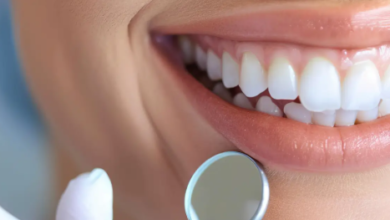

Your family’s mouth tells a story at every visit. Each checkup is a chance to stop small problems before they become painful and costly. Preventive dentistry is not about perfect teeth. It is about steady habits that protect you, your children, and aging parents. When you sit down with your dentist in L’Amoreaux, Scarborough, ON, you should leave with clear steps, not confusion. You deserve straight answers about what actually works, what your insurance might cover, and what can wait. This guide walks you through six simple treatments you should raise every time you go in. You will see what each one does, when you need it, and how it fits into daily life. Then you can ask sharper questions, push for the right care, and protect the people you love.
1. Professional Cleanings
Cleanings do more than polish your teeth. Plaque and tartar build up in spots your brush and floss never reach. That buildup feeds bacteria. Then your gums swell and bleed. Over time you can lose bone and teeth.
The American Dental Association explains that regular cleanings lower your risk of gum disease and tooth loss.
Ask your dentist three things at each visit.
- How much plaque and tartar did you remove today
- Are there pockets around my teeth that show early gum disease
- How often should I schedule cleanings for my risk level?
Some people need cleanings every three or four months. Others can wait six months. Your needs change with age, health, and medicines. Cleaning on the right schedule protects your gums and your wallet.
2. Dental Sealants
Sealants protect the chewing surfaces of back teeth. Those grooves trap food and sugar. Then cavities start. A sealant is a thin coating that your dentist paints on the tooth. It hardens and blocks decay.
The Centers for Disease Control and Prevention reports that sealants can prevent most cavities in children’s permanent molars for years. Read the data at the CDC page on school dental sealant programs.
At each visit, ask about sealants for three groups.
- Children who just got new molars
- Teens with deep grooves in back teeth
- Adults with early weak spots but no full cavities yet
Sealants are quick. There is no shot. Your child sits, opens, and the dentist cleans, dries, coats, and cures the tooth. Then your child eats right away. For many families, this one step prevents drilling later.
3. Fluoride Treatments
Fluoride makes teeth harder. It helps repair tiny weak spots before they turn into full cavities. You may get fluoride from water and toothpaste. Still, your dentist may suggest stronger fluoride in the office.
Common options include foam, gel, or varnish. The dentist brushes it on. You wait a short time. Then you avoid food and drink for a bit. The goal is simple. You want fluoride on the teeth long enough to soak in.
At every visit, ask three questions.
- Does my drinking water have fluoride
- Should my children get professional fluoride today
- Do I need prescription fluoride toothpaste at home
Fluoride matters for children with new teeth. It also matters for adults with dry mouth from medicines, diabetes, or radiation. Weak saliva means weaker defense. Fluoride fills that gap.
4. X Rays and Early Cavity Checks
X-rays show decay between teeth and under old fillings. They show infections at the root. They also show bone loss from gum disease. You cannot see these problems in the mirror.
You should not get X-rays at every visit without a reason. You also should not skip them for years. The plan depends on age and risk.
Cavity Risk and Common X-Ray Schedules
| Patient Type | Cavity Risk | Typical Schedule |
|---|---|---|
| Child with many past cavities | High | Every 6 to 12 months |
| Teen with some fillings | Medium | Every 12 to 18 months |
| Adult with few or no cavities | Low | Every 24 to 36 months |
Use this table as a starting point. Then ask your dentist three things.
- What is my cavity risk today
- Why do I need X-rays now, or why can I wait
- Can you show me the images and explain what you see
Clear pictures support clear decisions. Early treatment is easier than root canals or extractions later.
5. Gum Disease Checks
Gum disease starts quietly. Your gums bleed when you floss. Your breath smells sour. Over time your teeth loosen. Many adults lose teeth because of gum disease.
Your dentist checks your gums with a small measuring tool. The numbers show how deep the pockets are around each tooth. Healthy pockets are shallow. Deep pockets mean infection and bone loss.
At every visit ask for three facts.
- What are my pocket depths today
- Do I have signs of early gum disease
- Do I need a deeper cleaning called scaling and root planing
You also can ask to see trouble spots in a mirror. That picture stays in your mind. Then you brush and floss with more purpose at home. You protect your heart and blood sugar when you protect your gums.
See also: Your Comprehensive Guide to Buying a Home in Hunterdon County, New Jersey
6. Custom Mouthguards and Night Guards
Mouthguards protect teeth from sports hits. Night guards protect teeth from grinding during sleep. Both reduce broken teeth, jaw pain, and headaches.
Stock guards from a store help a little. Custom guards from your dentist fit your mouth. They stay in place. They protect better.
Raise three topics during your visit.
- Sports mouthguards for any child who plays contact sports
- Night guards for anyone who wakes with sore jaws, chipped teeth, or headaches
- Replacement plans, since guards wear out over time
Your dentist can show wear marks on teeth. Those marks tell the story of grinding. A simple guard can save teeth and money.
Turning Each Visit Into a Family Plan
Preventive care works best when you treat every visit as a planning session. You can use three simple steps.
- Prepare. Write questions about cleanings, sealants, fluoride, X-rays, gums, and guards.
- Ask. Request clear numbers, pictures, and plain language.
- Decide. Choose which treatments to do now, which to schedule, and which to watch.
When you speak up, your dentist can tailor care to each person in your home. That shared plan lowers pain, fear, and surprise bills. It also builds steady habits that protect your family’s health for years.