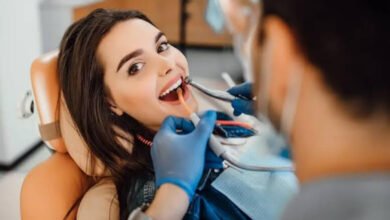

Oral surgery can shake your routine and your sense of control. You might worry about pain, swelling, or eating again. You might fear a long fog of healing. You do not have to guess your way through it. With clear steps, you can lower problems, protect your mouth, and return to your day with less stress. This guide walks you through five simple actions that support strong healing after any New Braunfels, TX oral surgery. You will see what to do before you leave the clinic, how to care for the surgery site at home, and when to call your surgeon. You will also learn how sleep, food, and pain control work together. Each step is direct. Each step focuses on safety, comfort, and steady progress. Use these steps as your plan, so your focus can shift from worry to healing.
Step 1: Leave the clinic with a clear plan
Your recovery starts before you walk out the door. You need clear written instructions. You also need to understand them.
Before you leave, ask your surgeon or nurse to confirm three things.
- How to control bleeding and swelling
- What you can eat and drink in the first three days
- Which warning signs mean you should call right away
Ask for the name and dose of each medicine in plain words. Then repeat the schedule back. That way, you and your caregiver stay on the same page.
The National Institute of Dental and Craniofacial Research explains that clear instructions and follow-up lower the chance of infection and dry socket. Strong recovery begins with strong direction.
Step 2: Protect the blood clot and surgery site
Your body forms a soft blood clot at the surgery site. That clot works like a shield. If it breaks or washes out, nerves and bone stay open to air and food. That can cause severe pain and slow healing.
For the first 24 hours, you should:
- Bite gently on gauze as directed to control bleeding
- Keep your head raised on pillows when you rest
- Avoid spitting, rinsing, or sucking through a straw
- Avoid smoking or vaping in any amount
After the first day, your surgeon may tell you to start warm salt water rinses. You can swish very softly to keep the site clean. You should not poke the site with your tongue, fingers, or any object.
Step 3: Use pain control and swelling care on a set schedule
You manage pain best when you stay ahead of it. Do not wait until pain feels sharp or strong. Follow the exact plan your surgeon gives you.
Often the plan includes three tools.
- Cold packs on the face in short cycles during the first 24 to 48 hours
- Prescribed pain pills or over-the-counter pain pills on a set clock
- Rest in a quiet place with your head raised
You can place a cold pack on your cheek for 15 to 20 minutes, then remove it for the same time. You can wrap the pack in a thin cloth so it does not hurt your skin.
The Centers for Disease Control and Prevention remind patients to use the lowest dose of pain pills that still controls pain. You can ask your surgeon if plain pain pills like ibuprofen or acetaminophen will work for you.
See also: 6 Smile Enhancement Tips From Dentists Who Combine Health And Aesthetics
Step 4: Eat and drink in a way that supports healing
Food and drink give your body the strength to heal. They also can harm the surgery site if you choose the wrong ones. Aim for soft, cool, and easy-to-swallow options in the first days.
In the first 24 to 48 hours, you can choose:
- Water, milk, and clear broths
- Yogurt and smooth pudding
- Applesauce and mashed bananas
- Scrambled eggs when your surgeon says chewing is safe
You should avoid hot drinks, alcohol, carbonated drinks, and crunchy foods like chips or nuts. You should also avoid using a straw since suction can pull the clot loose.
First Week Eating Guide After Oral Surgery
| Time after surgery | Best foods and drinks | Foods and drinks to avoid |
|---|---|---|
| 0 to 24 hours | Cool water, clear broth, yogurt, smooth pudding | Hot soup, alcohol, straws, crunchy snacks |
| 24 to 72 hours | Mashed potatoes, applesauce, scrambled eggs, soft pasta | Steak, raw vegetables, spicy sauces |
| Days 4 to 7 | Soft rice, fish, tender cooked vegetables | Hard bread, nuts, seeds, chewy candy |
Drink water often. Dry mouth can raise the risk of infection and pain.
Step 5: Watch for warning signs and keep follow-up visits
Your body will send clear signals if healing does not follow the expected path. You should watch for three main problems.
- Pain that gets stronger after day three instead of weaker
- Fever, foul taste, or pus in your mouth
- Heavy bleeding that soaks gauze in less than one hour
You should call your surgeon at once if you see any of these. You should also call if you cannot open your mouth, cannot swallow, or feel short of breath. Fast action can stop a small problem from turning into a crisis.
Finally, keep every follow-up visit, even if you feel fine. Your surgeon can check the site, remove stitches if needed, and clear you to return to sports, work, and normal chewing. Recovery works best when you and your care team move together step by step.