
You often wait for pain before you call a dentist. By then, the problem is already deep and costly. General dentistry works in a different way. Regular exams and cleanings let your dentist spot tiny changes before you feel anything. Small cracks. Early decay. Gum trouble that still looks normal in the mirror. Each visit builds a record of your mouth, so even slight shifts stand out. That record protects you. It also saves time and money. You gain quiet control instead of crisis and fear. If you see a trusted dentist in Schaumburg, you get careful checks of your teeth, gums, jaw, and bite. You also get simple tests that reveal hidden issues. This blog explains how those routine visits catch trouble early, why x rays matter, and what you can expect at each step.
Why waiting for pain is a risky habit
Pain is a late sign. By the time a tooth hurts, damage often reaches the nerve. That can mean deep decay or infection. At that point you may need a root canal, a crown, or even removal.
During early decay, the hard outer layer of the tooth starts to break down. You do not feel this stage. You may not see it. The same is true for gum disease. Gums look a bit red or puffy. They may bleed when you brush. You may ignore that. Yet the infection can start to break down bone around the teeth.
Early problems grow in silence. General dentistry cuts into that silence. It gives you a warning before damage reaches the nerve or bone.
What your dentist looks for at each checkup
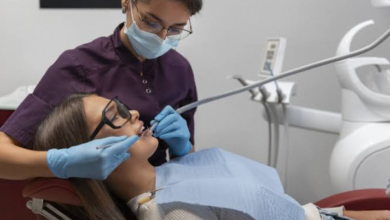
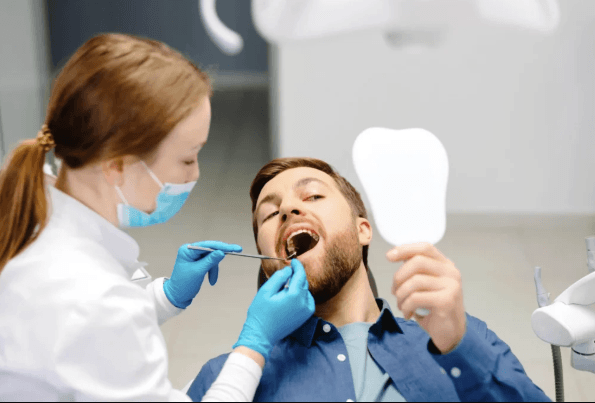
A routine visit is more than a quick glance. It is a step by step review of your mouth. Each step looks for a different type of hidden trouble.
Your visit often includes three core checks.
- Tooth check
- Gum check
- Whole mouth and jaw check
During a tooth check, your dentist looks for small white or brown spots. Those spots can mark early decay or weak enamel. The dentist also checks old fillings and crowns for tiny gaps where bacteria can sneak in.
During a gum check, the dentist measures the space between the tooth and gum. Healthy gums fit tight. Deeper spaces can show early gum disease. You do not feel those deeper spaces at home.
During a whole mouth and jaw check, the dentist looks at your tongue, cheeks, and roof of the mouth. The dentist also feels the jaw joint. This can show early signs of clenching, grinding, or other jaw strain.
How x rays reveal hidden problems
Some problems hide between teeth or under old fillings. You cannot see them in a mirror. Your dentist cannot always see them with the eye alone. This is where X-rays help.
Dental X-rays use a low dose of radiation. According to the Centers for Disease Control and Prevention, routine dental X-rays use a small fraction of the radiation you receive from natural background sources each year.
X rays help your dentist:
- See decay between teeth
- Check bone levels around teeth
- Find infections at the root tip before you feel pain
- Monitor tooth growth in children and teens
With this picture, your dentist can act early. A small hidden cavity can often be fixed with a simple filling. A small change in bone height can trigger gum treatment before teeth loosen.
What the cleaning really does
A cleaning is not only about stains. Plaque is a soft film of bacteria on teeth. If you miss spots when you brush and floss, that film hardens into tartar. You cannot remove tartar at home.
Your dental team uses tools to remove tartar from teeth and under the gumline. This slows decay and gum disease. It also gives the dentist a clear view of the tooth surfaces. Tartar can hide cracks or early decay. Once removed, small issues stand out.
After the cleaning, the hygienist often shows you where you miss with your brush or floss. This helps you change habits. Better care at home means fewer problems between visits.
Quiet signs your dentist can see but you cannot
Some changes are subtle. You may not notice them in daily life. Your dentist looks for patterns.
- Flattened or chipped teeth from grinding during sleep
- Receding gums that expose the root surface
- Dry mouth that raises your risk for decay
Each of these can lead to pain later. Early action can stop the chain.
For example, if grinding shows up, your dentist may suggest a night guard. That simple step can protect your teeth and jaw joints. If dry mouth shows up, your dentist may change your care plan or refer you to your doctor. Some medicines cause dry mouth. A change in dose or drug can protect your teeth.
Routine care vs crisis care
Early checks change the story of your mouth. The table below shows how routine care compares to crisis care for common issues. The costs are only samples. Actual costs vary by clinic and region.
| Problem | Found during routine care | Found after pain starts |
|---|---|---|
| Tooth decay | Small filling. One visit. Low cost. | Root canal and crown or removal. Many visits. High cost. |
| Gum disease | Deep cleaning and home care changes. Teeth stay firm. | Loose teeth. Possible surgery. Tooth loss and dentures. |
| Grinding or clenching | Night guard and stress control. Teeth stay strong. | Cracked teeth. Jaw pain. Complex repair. |
| Infection at root tip | Early treatment before swelling. Planned visit. | Sudden swelling. Emergency visit. Strong pain. |
How often you should go
The American Dental Association explains that many people do well with a visit every six months. Some people need more frequent checks based on risk.
Your dentist looks at your history and current health. Then your dentist sets a schedule that fits you. Smokers, people with diabetes, and people with past gum disease often need closer watch. Children need steady checks as teeth grow and change.
What you can do between visits
Your daily habits matter as much as your visits. You protect your mouth when you:
- Brush two times a day with fluoride toothpaste
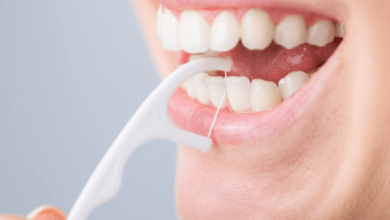
- Clean between teeth every day with floss or another tool
- Limit sugary drinks and snacks
- Use a mouthguard for sports
Then you let your dentist handle what you cannot see or reach. Together, you stop problems before they turn into pain.
See also: IV Set Overview: Everything Healthcare Providers Need to Know
Taking the next step
You do not need to wait for a toothache. You can treat a checkup as routine care, like an oil change for a car. A short visit every few months can spare you long hours in a dental chair later. It can also spare you worry.
Schedule your next exam now. Bring your questions. Ask what your dentist sees that you cannot. With steady general dentistry, you keep control of your mouth, your time, and your money. Pain does not have to be your first sign that something is wrong.