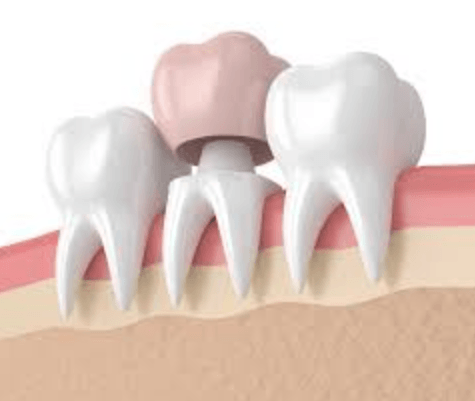

Crown lengthening reshapes your gum and bone so a broken or decayed tooth can support a new restoration. You might hear this from your Los Angeles, dentist and feel a wave of worry. You are not alone. This procedure sounds intense. It is actually a focused way to uncover more of your tooth so a crown or filling can last. First, your periodontist studies your bite, your smile line, and your bone levels. Next, you receive local numbing so you stay comfortable. Then the gum and sometimes bone are carefully trimmed and smoothed. This creates a cleaner edge for your dentist to work with and reduces the risk of trapped bacteria. You gain a stronger base for treatment. You also gain a shape that is easier to keep clean. This blog explains why crown lengthening is recommended, what happens during surgery, and how healing works.
Why Crown Lengthening Is Needed
Crown lengthening is not a cosmetic shortcut. It is a repair step when regular treatment is not enough. Your dentist may suggest it when:
- A tooth breaks near the gumline
- Decay reaches deep under the gum
- There is not enough tooth above the gum to hold a crown or large filling
Without this procedure, a crown may loosen, leak, or fall off. Then decay returns. You face more pain and higher cost. Crown lengthening exposes healthy tooth so a restoration can lock in place.
Sometimes it is used to even out a “gummy” smile. That is usually a separate goal. The same method reshapes gum and bone to change how much tooth shows when you smile.
How Periodontists Plan Your Treatment
A periodontist focuses on gum and bone health. This specialist works with your dentist to plan crown lengthening. Together they look at three key points.
- The amount of healthy tooth left
- The height and thickness of your bone
- Your smile line and how much gum shows
You also share your medical history and medicines. Blood thinners, diabetes, and smoking can slow healing. Honest details help shape a safe plan.
The National Institute of Dental and Craniofacial Research explains how gum health protects teeth. That same gum support must be kept during crown lengthening. The periodontist removes only what is needed so your tooth stays stable.
Step By Step: What Happens During Surgery
The procedure is usually done in the office. You go home the same day. Here is what you can expect.
- You receive local numbing around the tooth.
- The periodontist makes a small cut in the gum to gently move it away from the tooth.
- Gum tissue is trimmed to expose more tooth.
- If needed, a thin layer of bone around the tooth is reshaped.
- The gum is placed in a new position and stitched.
- A dressing or putty may cover the site to protect it.
The tooth may look longer right away. The gum will settle as it heals. Your dentist waits for full healing before placing the final crown.
Crown Lengthening Compared With Other Options
Your dentist may talk about other choices, such as pulling the tooth and placing an implant. Each choice has tradeoffs. The table below gives a simple comparison.
| Treatment | Main Goal | Keeps Natural Tooth | Typical Healing Time |
|---|---|---|---|
| Crown lengthening plus crown | Expose more tooth for a secure restoration | Yes | About 6 to 8 weeks for gum and bone to settle |
| Large filling at gumline | Patch decay without reshaping gum or bone | Yes | Few days for soreness to fade |
| Tooth removal plus implant | Replace tooth when it cannot be saved | No | Several months for bone healing and implant support |
This table is not a treatment plan. It is a guide to questions. You can use it to ask about cost, time, and long-term strength for your own case.
See also: The Raw Honey Revolution: Why London’s Health Conscious Shoppers Are Making the Switch
What Healing Feels Like
After the procedure, you go home with written instructions. You can expect three stages.
- First days. The site feels sore and puffy. You use cold packs on your face and take pain medicine as directed.
- First weeks. Stitches are removed or dissolve. The gum edge starts to tighten around your tooth.
- Next month or two. The gum shape and bone level settle. Your dentist checks that the tooth is ready for the crown.
The American Dental Association’s MouthHealthy resource explains how to clean around healing gums. Gentle brushing, careful flossing around other teeth, and an antiseptic rinse help control germs while the site recovers.
How To Care For Your Mouth After Surgery
Your choices during healing protect the work done that day. Three habits matter most.
- Follow all instructions on medicine and mouth rinses.
- Eat soft, cool foods on the other side of your mouth.
- Avoid smoking and vaping, which slow blood flow and healing.
Use a soft toothbrush. Keep it away from the stitches until your periodontist says it is safe. You can clean the rest of your mouth as usual. Clean teeth and gums lower the risk of infection at the surgery site.
When To Call Your Dentist Or Periodontist
Some soreness and light bleeding are expected. You should call right away if you notice any of these signs.
- Bleeding that does not stop with gentle pressure
- Strong pain that medicine does not ease
- Swelling that gets worse after two or three days
- Fever, bad taste, or pus from the site
Quick action can stop a small problem from growing into a crisis. You deserve a calm recovery.
Moving Toward A Stronger Tooth
Crown lengthening can feel like one more hurdle when you already feel worn down. It is still a direct way to save a tooth that might otherwise be lost. You gain three things. You gain a cleaner edge for a snug crown. You gain a tooth that is easier to brush and floss. You gain a better chance of avoiding more surgery later.
With clear questions, honest answers, and steady follow-up, you can face this procedure with less fear and more control.