
Key Takeaways
- Stick to sidewalks and crosswalks whenever available for maximum safety.
- Avoid using distractions such as phones or headphones while walking.
- Wear reflective or bright clothing, particularly when walking at night.
- Make eye contact with drivers before crossing any road or intersection.
- Be knowledgeable about and comply with all state pedestrian regulations.
Florida’s sunny streets and lively neighborhoods make walking a popular choice for residents and visitors seeking exercise or a scenic commute. However, the state’s busy roadways demand extra attention from pedestrians to prevent accidents and injuries. Anyone who spends time walking locally shares the responsibility with drivers to foster a safe community. If you find yourself navigating Florida’s streets and want to know your legal rights following an accident, an Orlando pedestrian accident lawyer can help guide you. Enjoying your walks should always be paired with strong safety habits. Simple changes to your daily routine, like staying aware of your surroundings and understanding local laws, can significantly reduce your risk. With Florida ranking high for pedestrian-involved incidents, being proactive is essential for every walker.
Understanding Florida’s Pedestrian Laws
Florida maintains clear pedestrian laws to help prevent unnecessary accidents. Pedestrians must use sidewalks when available. If there are none, state law requires walking on the left side of the road facing traffic, so oncoming vehicles are more visible. It is also mandatory to cross streets at intersections or marked crosswalks, as drivers are more likely to anticipate and yield to foot traffic in these locations. Jaywalking, crossing between two adjacent intersections with traffic lights without using a crosswalk, remains illegal and dangerous in Florida. This law exists because drivers are less likely to notice pedestrians crossing unexpectedly, especially in high-traffic areas or low-visibility conditions. For an in-depth look at these laws and additional advice, the National Highway Traffic Safety Administration’s pedestrian guide provides helpful information.
Stay Visible and Alert
One of the biggest risks pedestrians face in Florida is going unnoticed by drivers, especially after dusk or during inclement weather. Wearing bright or reflective clothing will make you stand out during the day, while a flashlight or blinking lights can make you more visible to cars at night. Avoid the common temptation to multitask; listening to music with headphones or reading messages on your phone reduces your ability to hear or observe oncoming vehicles and changing traffic patterns. Remaining attentive is crucial not just for your own sake, but also to set a positive example for other pedestrians, including children and seniors. Children, in particular, can be unpredictable when navigating traffic, so adults should model safe behaviors such as stopping at corners and pointing out traffic signals or warning signs. Encouraging a culture of responsibility creates safer streets for everyone.
Use Designated Crosswalks and Sidewalks
Whenever possible, choose sidewalks and clearly marked crosswalks for your route. These areas are designed to keep walkers separate from vehicles and alert drivers to your presence. If you need to walk without a sidewalk, stay on the left edge and remain vigilant. At intersections or any crossing point, be patient. Wait for a safe gap in traffic, and never assume that a driver will stop unless you confirm it visually. Florida cities continue to invest in upgraded pedestrian pathways, installing accessible curb ramps, tactile paving for visually impaired walkers, and better signage at busy crossings. Make use of these strategically placed improvements to reduce risk and encourage safe habits for all ages and abilities. If you notice damaged walkways or malfunctioning traffic signals, report these hazards to your local public works department to help ensure safer conditions for everyone in your community.
Make Eye Contact with Drivers
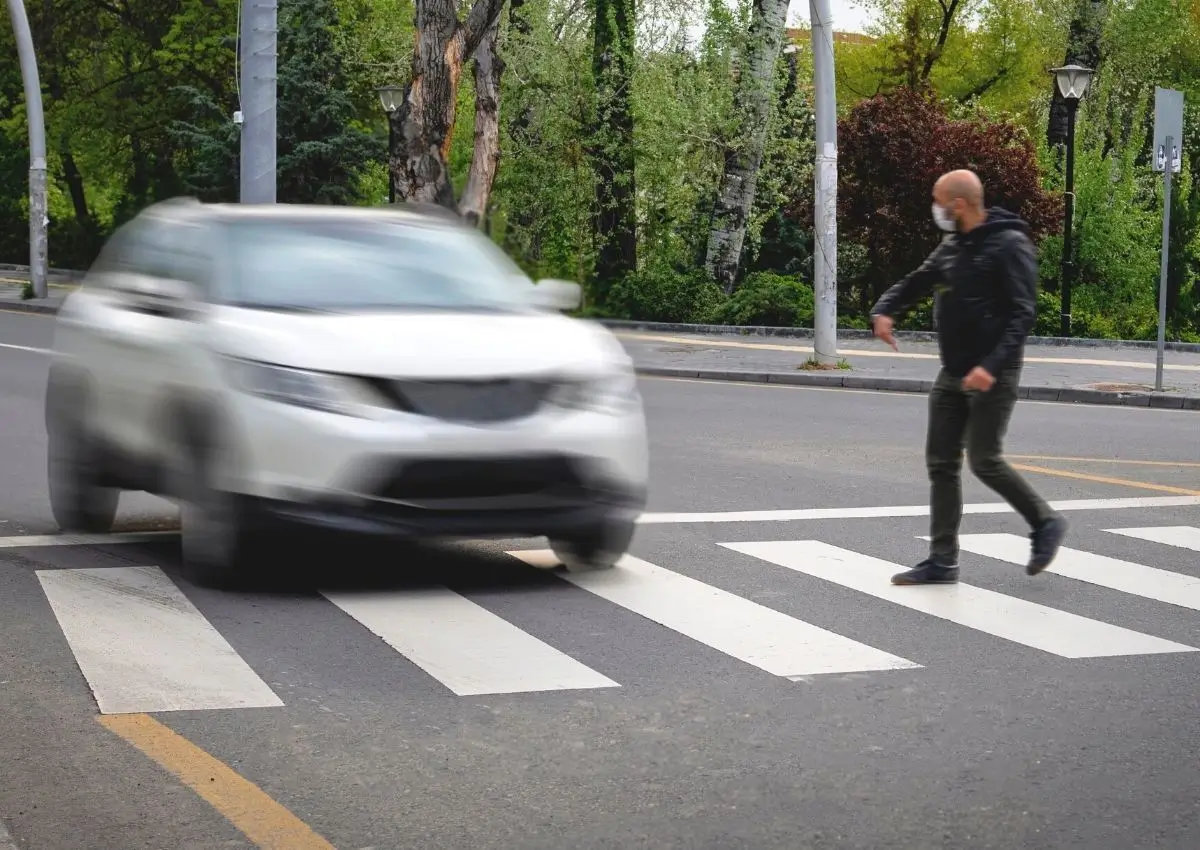
Making direct eye contact with drivers approaching an intersection is a practical, simple safety technique. This nonverbal acknowledgment ensures the driver has seen you and is preparing to yield. Even when you have the right of way, do not step out until you are positive the vehicle is stopping or has stopped completely. Rely on clear visual confirmations; your safety is more important than rushing across.
See also: Earthlite vs OakWorks: Comparing Professional Massage Equipment for Modern Wellness Businesses
Sometimes, especially during busy hours or poor weather, a driver may seem distracted or hurried. In these situations, waiting a few extra seconds and waving at the driver to confirm mutual awareness can make all the difference. Do not rely solely on traffic signals or assumed right-of-way; making yourself unmistakably visible through your movements and gestures helps bridge the gap between pedestrian and driver expectations.
Be Cautious in High-Traffic Areas
High-traffic zones, including busy intersections, parking lots, and driveways, require special attention. Cars entering or exiting these areas may not see you, especially if their view is obstructed. Move with caution and be prepared to stop or change direction if a vehicle appears suddenly. Staying in well-lit, commonly traveled areas can offer additional protection in these busier spots.
It’s also beneficial to stay alert for delivery vehicles, rideshare services, and other cars that may stop unexpectedly or open doors directly into pedestrian pathways. If you are walking with children or pets, keep them close and ensure they know basic roadway rules. Simple reminders, such as looking both ways before crossing and walking, never running across streets, can greatly reduce the chances of a dangerous interaction with traffic.
Stay Informed About Local Safety Initiatives
Many counties in Florida, recognizing the hazards faced by pedestrians, have launched programs to improve pedestrian safety. One example is Osceola County’s high-visibility enforcement campaign, which focuses on educating the public about safe walking practices while increasing traffic law enforcement. These initiatives result from collaboration between law enforcement agencies and local advocates to bring down accident rates. Community participation in such programs can empower pedestrians and drivers alike.
Additional resources, including school-based safety outreach and community workshops, offer education for all age groups on topics such as street-crossing techniques and understanding new automated traffic signal technologies. Participating in local safety events, signing up for municipal newsletters, or connecting with civic groups keeps you up to date on pedestrian improvements as they are rolled out in your area. Taking the initiative to share this knowledge with family, friends, and neighbors helps reinforce a culture of safety throughout Florida’s communities.
Conclusion
Walking in Florida offers countless benefits for health, well-being, and the environment, but pedestrian safety depends on vigilance and informed choices. By understanding Florida’s specific pedestrian laws, prioritizing visibility, staying alert, using designated pathways, and being especially careful in busy areas, you can significantly reduce your risk of harm. Support your safe habits by staying up to date on local safety programs and resources. Remember, every pedestrian plays a vital role in shaping a safer Florida for everyone on the move.