
Key Takeaways
- Proper metal recycling conserves natural resources and reduces environmental pollution.
- Both households and businesses can implement effective metal recycling practices.
- Understanding local recycling programs and regulations is essential for responsible disposal.
Table of Contents
- Introduction
- Understanding the Importance of Metal Recycling
- Common Types of Recyclable Metals
- Recycling Metal Waste at Home
- Implementing Metal Recycling in the Workplace
- Locating Recycling Facilities
- Staying Informed About Recycling Programs
- Conclusion
Recycling metal waste is essential for environmental preservation and sustainable development. Not only does it help reduce landfill usage and prevent pollution, but it also preserves valuable natural resources by giving metals a second life. Knowing where to recycle scrap steel in Wisconsin and understanding proper disposal methods empowers both individuals and businesses to make a meaningful impact.
By adopting effective recycling habits, anyone can directly contribute to sustainability efforts, minimize waste, and potentially find new opportunities for savings and profit. Whether at home or in the workplace, making mindful choices about how metal waste is handled is critical to the broader environmental landscape.
Local and state recycling programs often provide guidelines and support, making it easier to sort and dispose of various metal types correctly. These processes not only contribute to a healthier ecosystem but also drive economic growth by creating jobs in the recycling sector.
This guide covers everything you need to know to enhance your metal recycling efforts, from identifying recyclable metals to finding the right facilities and staying up to date with evolving recycling standards. Learn how to make your efforts effective for both your community and the environment.
Understanding the Importance of Metal Recycling
Metal recycling is fundamental to our efforts to conserve the planet’s finite resources and reduce industrial pollution. Producing metals from recycled materials consumes significantly less energy than extracting them from virgin resources. For example, the Environmental Protection Agency notes that recycling aluminum uses as much as 95% less energy than sourcing it from bauxite ore, leading to a clear reduction in harmful emissions and conserving raw material supplies for future generations.
The environmental and economic benefits of recycling metals include reduced reliance on mining, lower greenhouse gas emissions, reduced landfill use, and the creation of local jobs. Integrating robust recycling initiatives supports eco-friendly industry standards while offering a practical way to lower carbon footprints in both homes and workplaces.
Common Types of Recyclable Metals
Several types of metals are most frequently recycled due to their widespread presence in household and industrial products:
- Aluminum: Used in beverage cans, foil, window frames, and some appliances.
- Steel: Found in food cans, vehicle parts, building materials, and home appliances.
- Copper: Present in electrical wiring, plumbing pipes, and electronic devices.
- Brass: Commonly seen in plumbing fixtures, fittings, doorknobs, and musical instruments.
- Lead: Found in car batteries, old pipes, and some electronic equipment.
Sorting these metals before recycling prevents contamination and improves the efficiency of recycling operations.
Recycling Metal Waste at Home
Households play a valuable role in the recycling process. By adopting the following practices, families can reduce their metal waste and help keep recyclable materials out of landfills:
- Separate Metals Early: Keep a dedicated bin for collecting metal waste to make sorting easier and prevent contamination by food waste or plastics.
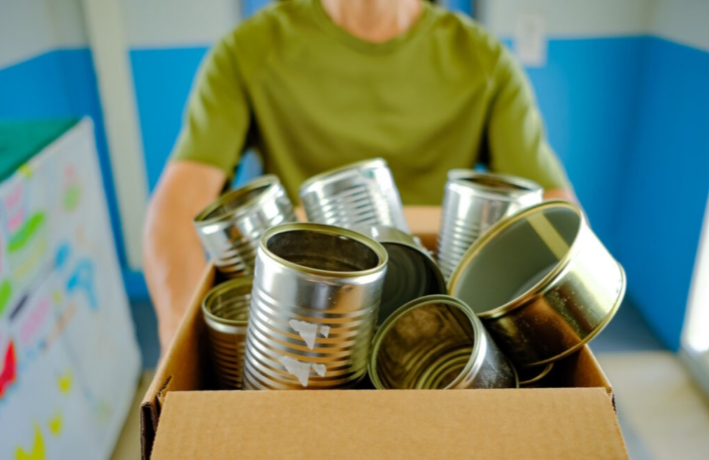
- Clean Containers Thoroughly: Rinse and clean food and beverage cans prior to recycling, as many programs will reject containers contaminated with food residue.
- Review Community Recycling Guidelines: Each locality may have unique rules for metal recycling. For example, not all towns accept aluminum foil or small metal objects curbside, so check local regulations before discarding metal items.
- Find and Use Drop-Off Centers: Large or unusual metal items, such as old appliances or electronics, may need to be taken to specialized recycling centers. Drop-off programs help ensure these items are recycled responsibly instead of ending up in a landfill.
Taking these steps can dramatically increase your household’s recycling efficiency and support a cleaner environment.
Implementing Metal Recycling in the Workplace
Businesses, especially those in manufacturing or construction, can generate substantial amounts of metal waste. Implementing a targeted recycling program is prudent both for environmental stewardship and long-term cost savings:
- Conduct a Waste Audit: Take stock of the types and quantities of on-site metal waste to tailor recycling efforts accordingly.
- Engage with Local Recyclers: Partner with recycling collection services or scrap yards that can handle specific industrial metal waste streams.
- Educate Staff: Promote employee training on correct separation, cleaning, and storage of metal waste. Clear instructions and easy access to recycling containers increase participation rates.
- Monitor, Analyze, and Optimize: Track recycling volumes and assess program performance regularly, adjusting as needed to drive further improvements or changes in regulatory guidelines.
Adopting such practices can help companies reduce disposal costs and improve their reputation as environmentally responsible organizations.
Locating Recycling Facilities
Locating the appropriate recycling facility is vital for both homeowners and businesses, ensuring their metal waste is processed correctly. Consider the following ways to find responsible recycling solutions:
- Check Municipal Listings: City or county government websites typically offer detailed recycling guides and community drop-off locations.
- Use Online Recycling Directories: Platforms like Earth911 and the Recycling Center Search from Waste Management make it easy to find sites that accept various metals.
- Explore Community Programs: Some localities offer regular special collection events or partner with recycling businesses for one-day drop-offs, making responsible recycling more accessible.
For example, public-private partnerships and municipal programs help increase recycling rates in many regions.
Staying Informed About Recycling Programs
With recycling guidelines often evolving due to regulatory updates, technological advances, or changes in demand, staying informed can help ensure continued recycling success. You can:
- Sign Up for Local Newsletters: Many recycling organizations and municipal waste services provide regular updates through newsletters or email alerts.
- Join Community Forums: Social media groups or local sustainability forums foster idea exchange and offer timely updates on changes or special events.
- Attend Public Meetings and Events: City council meetings and town halls often share information on new recycling initiatives and provide a platform to ask questions.
Sharing information with neighbors and colleagues fosters unified community action to achieve better recycling outcomes.
Conclusion
Responsible recycling of metal waste, both at home and in the workplace, is vital for environmental health and resource conservation. By following best practices for sorting, cleaning, and properly disposing of metal materials, anyone can contribute to greater sustainability and community well-being. Staying informed and willing to adapt to new recycling opportunities ensures ongoing progress toward a cleaner, healthier future for all.