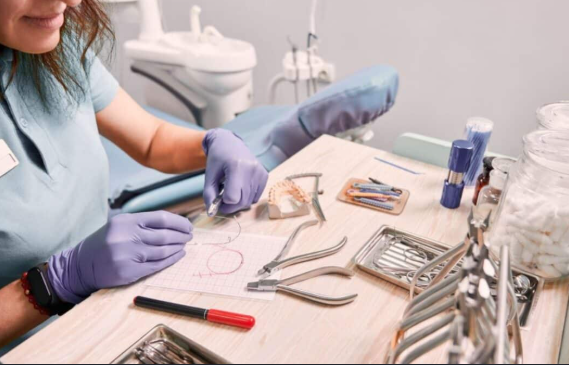

You might be feeling pulled in two directions at once. On one hand, you want straighter teeth, a better bite, or help for your child before small problems grow, and you may even be searching for a dentist in LA. On the other, you may be wondering whether orthodontic care will be too expensive, too slow, or too one size fits all. That tension is real, especially when every smile looks different and every person has different goals. The good news is simple. How orthodontists personalize treatment for every smile comes down to careful planning, clear imaging, and a treatment path built around your teeth, your bite, and your daily life.
That matters because orthodontic treatment is not just about looks. It can affect how you chew, how you clean your teeth, and how your jaw fits together. According to MedlinePlus information on orthodontics, orthodontic care can help correct crowded teeth, overbites, underbites, and jaw alignment concerns. So, where does that leave you if you are trying to sort through braces, aligners, timing, and cost?
Why does one smile need a different plan than another?
Two people can both say, “My teeth are crooked,” and still need very different care. One person may have mild crowding and healthy gums, which could make clear aligners a reasonable fit. Another may have a deep bite, rotated teeth, jaw growth issues, or missing teeth, which can change the whole plan. That is why custom orthodontic treatment begins with more than a quick glance.
An orthodontist usually looks at tooth position, jaw relationship, facial balance, age, oral habits, gum health, and how your teeth come together when you bite. If a child is still growing, timing can shape the result. If an adult has worn enamel, gum recession, or past dental work, the plan may need to move more carefully. Because of this, treatment is often less about choosing a product and more about solving a specific problem.
That can be a relief, but it can also feel like a lot. You may have hoped for a simple answer, then heard terms like crossbite, spacing, attachments, or retention. Still, that detail is what protects you from a generic plan that misses the real issue.
See also: The Impact of Iconic Landmarks on City Life
What makes personalized orthodontic care more than just braces or aligners?
It helps to think beyond the appliance itself. Braces and aligners are tools. The real value comes from diagnosis, sequencing, and monitoring. A provider may decide to create space first, guide jaw growth, correct a bite issue before straightening front teeth, or coordinate care with a general dentist if there are cavities or gum concerns that should be handled first.
For some people, clear aligners sound easier because they are removable and less visible. That can be true, but they are not the right fit for every case. The National Institute of Dental and Craniofacial Research has also highlighted questions around clear plastic aligners and patient outcomes, which is a reminder that treatment decisions should be made with clinical guidance, not just convenience in mind.
You may also hear about phased treatment for children. In some cases, early care can help guide jaw growth or make room for adult teeth. In others, waiting is smarter. The right answer depends on what is happening now, not what worked for someone else. That is the heart of personalized orthodontic care.
How do orthodontists and general dentists work together for better results?
If you are searching for a general dentist and orthodontist, you are probably hoping for care that feels connected. That makes sense. Straight teeth are easier to clean, but teeth and gums also need to be healthy before and during treatment. A general dentist may treat decay, monitor gum health, and help maintain your teeth while the orthodontist manages tooth movement and bite correction.
Academic programs like the UIC orthodontic specialty services page also show how orthodontic care often fits into a broader dental plan. That team approach can matter if you have crowns, missing teeth, jaw concerns, or a child whose development needs close watching.
What should you compare before choosing a treatment plan?
When you are weighing options, it helps to compare the parts that affect daily life, not just the look of the appliance. A simple chart can make the decision feel less foggy.
| Consideration | Traditional Braces | Clear Aligners |
| Best for | Many mild to complex bite and alignment issues | Mild to moderate cases, depending on tooth movement needed |
| Appearance | More visible | Less visible |
| Patient responsibility | Lower, since braces stay on teeth | Higher, because trays must be worn as directed |
| Eating | Food restrictions are common | Trays are removed for meals |
| Cleaning | Can take more effort around brackets and wires | Teeth are easier to brush and floss when trays are out |
| Monitoring needs | Regular adjustments | Regular checks to confirm teeth are tracking well |
A real world example helps. If a teen tends to lose things and struggles with routines, removable aligners may create problems even if they look appealing. If an adult has a public facing job and only mild spacing, aligners may fit daily life better. The right plan balances biology and behavior.
What can you do right now if you are considering orthodontic treatment?
1. Start with a full evaluation. Ask for imaging, bite analysis, and a clear explanation of what is being treated. If the plan sounds rushed, ask more questions. You deserve to understand the “why” behind each recommendation.
2. Be honest about your habits and goals. Say if you grind your teeth, forget routines, play sports, or care a lot about appearance at work. These details shape the best option more than many people realize.
3. Think past active treatment. Ask about retainers, follow up visits, and long term maintenance. Teeth can shift after treatment, so retention is part of the plan, not an afterthought.
What does all of this mean for your next step?
If you have been worried that orthodontic care would force you into a standard plan, that fear is understandable. Your smile is personal, and your treatment should be too. The best orthodontic care looks at your bite, your health, your age, and your life, then builds a path that makes sense for you. Whether you are exploring braces, aligners, or early care for a child, a thoughtful plan can make the process feel far less uncertain.
If you are ready to move forward, schedule a consultation with a trusted general dentist and orthodontist and ask what treatment fits your smile, not just what is popular. A clear plan can bring a lot of peace of mind.