The Modern Traveler’s Guide to Morocco: Logistics, High-Speed Connectivity, and Bespoke Private Expeditions

Morocco occupies a rare place in the global imagination. It is a land of sensory overload where medieval medinas hum with artisans, snow-capped Atlas peaks guard lush river valleys, and golden Sahara dunes stretch toward an endless celestial horizon. Yet behind Morocco’s postcard aesthetic lies a complex geographical reality: traversing this North African kingdom spans thousands of kilometers of winding mountain passes, rugged desert plateaus, and dense historical labyrinths.
For decades, travelers faced an uncomfortable choice between rigid commercial tour buses following rushed timetables or the exhausting stress of self-driving unfamiliar terrain with single-lane mountain roads and livestock crossings. Today, a new generation of independent travelers is transforming how the country is explored. By combining modern digital connectivity with dedicated private chauffeurs and custom itineraries, discovering Morocco has shifted from an endurance test to an effortless, bespoke immersion.
The New Era of Moroccan Travel: Moving Beyond Rigid Group Tours
The traditional 40-passenger coach tour is rapidly losing its appeal. Travelers no longer want to be herded into tourist-trap souvenir emporiums or hurried past the majestic kasbahs of Ouarzazate to keep an arbitrary schedule.
Morocco is an intensely experiential destination. Its true magic is found in unplanned moments: sipping fresh mint tea with an Amazigh (Berber) carpet weaver in the Ourika Valley, watching sunset light turn the red earthen towers of Ait Benhaddou into glowing gold, or pulling over on the Tizi n’Tichka pass to buy warm, freshly baked wood-fired bread.
Capturing these authentic moments requires complete schedule autonomy. When you travel privately, the itinerary bends to your rhythm. If you wish to linger another hour listening to Gnawa musicians in the desert hamlet of Khamlia, you can. If you want an early start to beat the midday crowds at Marrakech’s Jardin Majorelle, your vehicle is waiting right at your riad gate.
See also: How Is Technology Helping Businesses Reduce Their Carbon Footprint?
The Highway Reality: Why Self-Driving Isn’t for Everyone
Many independent adventurers initially consider renting a car at Casablanca or Marrakech Menara Airport. While Morocco’s major toll highways (autoroutes) linking Tangier, Rabat, Casablanca, and Marrakech are modern and well-maintained, navigating the country’s interior is an entirely different proposition.
Once you venture beyond the coastal plains, roads climb through the High Atlas Mountains via sheer hairpin switchbacks at over 2,200 meters elevation. Commercial freight trucks often climb steep inclines at slow speeds, requiring careful passing maneuvers. Furthermore, rural routes frequently feature unpaved detours, wandering donkey carts, school children walking along road shoulders, and frequent Royal Gendarmerie speed radar checkpoints.
For international visitors unaccustomed to Moroccan driving customs, spending seven hours behind the wheel across winding terrain leads to driver fatigue rather than a relaxing vacation.
This is where hiring an experienced private driver in Morocco completely shifts the dynamic. A professional local chauffeur who navigates these mountain passes weekly transforms stressful transit days into panoramic scenic journeys. You can recline in leather air-conditioned comfort, admire the dramatic canyon geology, charge your devices, and arrive at your luxury desert camp refreshed and energized.
Connectivity on the Go: Digital Tools That Elevate the Journey
A successful bespoke Moroccan expedition blends old-world hospitality with 21st-century digital convenience. Today’s travelers rely on a suite of modern tools to stay connected across remote regions:
1. High-Speed Travel eSIMs
Securing reliable data connectivity is essential for navigating winding medina alleys. Instead of hunting for physical SIM card kiosks at the airport, international travelers can activate digital eSIMs beforehand. Morocco’s major telecom operators (Maroc Telecom, Inwi, and Orange) provide reliable 4G LTE coverage across the majority of desert outposts, highway corridors, and mountain valleys.
2. Offline Digital Mapping
While paper maps retain nostalgic charm, apps like Maps.me and downloaded Google Maps regions are indispensable. Signal coverage can occasionally dip in deep canyons like the Todra Gorge, making offline GPS caching a smart safety habit.
3. Currency and Mobile Payments
Cash remains king in traditional souks and village markets. Having local Moroccan Dirhams (MAD) on hand is essential for tips, street food, and artisan purchases. Modern debit cards with zero foreign transaction fees combined with multi-currency banking apps allow easy ATM withdrawals across major city centers.
Designing the Quintessential Custom Itinerary
When structuring a tailored Moroccan journey, pacing is the single most critical factor. Rushing to see six cities in five days is the most common mistake first-time visitors make. A well-balanced expedition divides time between cultural deep-dives and landscape exploration:
Leg 1: The Imperial Pulse (Marrakech & Fes)
Spend your initial days exploring centuries-old medinas. In Marrakech, stay at a tranquil riad tucked behind ancient clay walls, contrasting the evening energy of Jemaa el-Fnaa with quiet palace courtyards. In Fes, wander through the world’s largest car-free urban area, discovering 9th-century mosques, aromatic spice souks, and historic leather tanneries.
Leg 2: Crossing the High Atlas
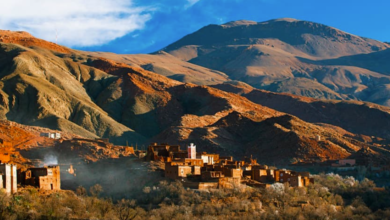
The transition from imperial cities to the desert is one of the world’s great road journeys. Driving across the Tizi n’Tichka pass reveals terraced walnut groves, adobe kasbahs, and the legendary UNESCO World Heritage site of Ksar Ait Benhaddou—the backdrop for iconic Hollywood epics from *Gladiator* to *Lawrence of Arabia*.
Leg 3: The Deep Sahara (Erg Chebbi, Merzouga)
Arriving at the edge of the Erg Chebbi sand dunes is an unforgettable milestone. Modern luxury camps provide hotel-grade beds, private en-suite hot showers, and fine Moroccan dining under vast dark-sky star fields, seamlessly blending nomadic tradition with five-star comfort.
Working with an inbound luxury travel agency like Roam Morocco Tours ensures that every transport leg, boutique riad selection, and local mountain guide is vetted for safety, punctuality, and cultural authenticity.
Practical Etiquette and Cultural Respect
Morocco is celebrated for its legendary warmth, but understanding local cultural norms enriches every interaction:
- Dress Sensibly: While modern cities like Marrakech and Casablanca are accustomed to international fashion, dressing modestly (covering shoulders and knees) is appreciated when walking through residential medina quarters and rural Berber villages.
- The Ritual of Mint Tea: Never rush a glass of Moroccan “whiskey” (green tea brewed with fresh spearmint and sugar). Accepting tea is a sacred gesture of welcome; sitting down to drink shows respect for your host.
- Photographing People: Always ask permission before photographing local artisans, market vendors, or residents. A polite *”Momkin soura?”* accompanied by a smile goes a long way.
Final Thoughts: The True Luxury of Slow Travel
True luxury in travel is no longer defined merely by gold-leaf finishes or opulent chandeliers. Today, luxury means uninterrupted time, effortless safety, and deep human connection.
By leaving the logistics and highway driving to trusted local professionals and designing an unhurried, custom itinerary, Morocco opens its soul. You leave not with a generic checklist of tourist sights, but with memories etched into your consciousness: the aroma of cedarwood in Fes, the quiet grandeur of the Atlas Mountains, and the silence of the Sahara desert under an ocean of stars.