Autologous Stem Cell Transplantation: Established Uses and Common MisunderstandingsOverview

Autologous transplantation uses a patient’s own blood-forming stem cells, collected before intensive treatment and returned afterward. It is an established part of care for selected patients with multiple myeloma and certain lymphomas.
Key considerations
The collected cells help restore blood production after high-dose chemotherapy. This is different from marketing claims that stem cell infusions can rejuvenate organs or treat a wide range of unrelated conditions. Evidence for one use cannot be transferred automatically to another.
Cell collection before high-dose treatment
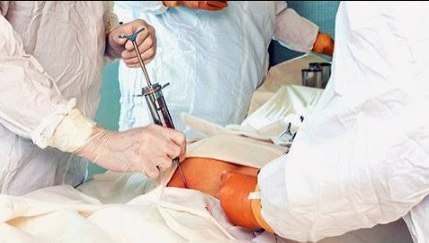
Autologous transplantation begins well before the day cells are infused. A clinical team may use medicines to move blood-forming stem cells from marrow into circulating blood, then collect them through apheresis. The collected product is processed and stored until it is needed. Collection success varies, and some patients require additional mobilisation. Because these are the patient’s own cells, donor matching is not needed. Nevertheless, patients still need careful screening for organ health, infections and the ability to tolerate the chemotherapy that follows.
See also: The Life-Saving Benefits of Having a Trickle Charger
The role of intensive chemotherapy
In established cancer care, the primary treatment effect often comes from high-dose chemotherapy; reinfused stem cells help the marrow recover afterward. This distinction matters because the phrase stem cell treatment is sometimes used to imply that cells directly repair every affected organ. In multiple myeloma, for example, a transplant may be part of a broader treatment strategy rather than a permanent cure. The care plan can also include induction treatment, maintenance medicines and monitoring for recurrence. Benefits should be explained using evidence relevant to the exact diagnosis.
Planning for life after discharge
Even without a donor, autologous transplant recipients can experience severe temporary suppression of blood counts. Fever, dehydration, mouth inflammation and difficulty eating may require prompt medical attention. Some people return to routine activities relatively quickly, while others need a longer recovery. Caregivers should understand medication schedules, emergency contact numbers and the importance of attending follow-up visits. Patients can ask about work leave, fertility, vaccination timing and travel restrictions. Personalised guidance matters more than another patient’s recovery story.
Risks and limitations
Patients may face low blood counts, infections, mouth sores, fatigue and other complications. Using a person’s own cells avoids graft-versus-host disease associated with donor transplants, but it does not eliminate treatment risk. A related resource discusses autologous stem cell treatment malaysia.
Practical next steps
A useful consultation covers eligibility, likely hospital stay, fertility considerations, infection precautions and follow-up. Discuss alternatives and realistic outcomes with a qualified haematologist.
Putting the evidence in context
The strongest conclusion depends on the diagnosis, the exact intervention and the quality of studies supporting it. A treatment can be established in one setting and experimental in another, even if both are described using the same stem cell terminology. Readers should look for evidence that reports patient outcomes, adverse events and follow-up over a meaningful period. Study results also need to be interpreted in light of who participated and whether those patients resemble the person considering care. Independent clinical review is particularly important when a commercial website presents promising early research as an available treatment.
Preparing useful questions for a specialist
A productive appointment starts with a written description of the main health concern and the outcomes the patient hopes to achieve. Bring current medication details, relevant reports and a list of previous treatments. Ask the specialist to explain the proposed intervention in plain language, describe reasonable alternatives and identify uncertainties that could change the recommendation. Request information about follow-up, warning signs and the clinician responsible for complications. When a procedure is costly or irreversible, taking time for a second opinion is a practical safeguard rather than a sign of distrust.
Making an informed decision
A sensible decision should bring together medical suitability, credible evidence, realistic expectations and the practical demands of treatment. The existence of a clinic or a research publication does not itself confirm that an intervention is approved, effective or appropriate for every patient. Check current Malaysian requirements and any claimed professional or facility credentials with the relevant authorities. Keep copies of consent forms, written estimates and treatment plans, and make sure important questions are answered before committing funds. This article provides general education and cannot replace advice from a qualified treating clinician.
Points to confirm before proceeding
For autologous transplantation, request a clear explanation of the reason for high-dose chemotherapy, the purpose of reinfusing collected cells and the expected period of blood-count recovery. Decisions should reflect the underlying diagnosis rather than general claims about stem cells.