
You feel the pressure in your cheeks, around your eyes, or deep behind your nose, and after a while it starts to blur together. Is it another sinus flare up, a cold that will not quit, or something dental that has been quietly building in the background? That uncertainty wears people down. It affects sleep, focus, work, and even simple things like chewing or bending over. In some cases, people also explore options like clear aligners for crooked teeth Smithfield while trying to understand whether discomfort may be connected to dental issues.
Frequent sinus pressure is not always just a sinus problem. The upper back teeth sit close to the maxillary sinuses, so tooth infections, gum disease, bite problems, and inflammation in that area can create pain that feels almost identical to sinus trouble. A general dentist helps sort out what is coming from your teeth and what is not, which can save you from weeks of treating the wrong issue.
Sinus pressure and dental pain often overlap
The roots of your upper molars and premolars are close to the sinus floor. When those teeth are inflamed or infected, the pain can spread into the sinus area. You may feel pressure in your face, tenderness when you bite down, or a dull ache that seems to move. Some people assume they need cold medicine, but the source is actually a cracked tooth, a cavity that reached the nerve, or an abscess.
That overlap goes both ways. Sinus inflammation can make healthy upper teeth feel sore because the pressure builds in the sinus cavity above them. According to MedlinePlus on sinusitis, sinus inflammation can cause facial pain, pressure, congestion, and headache. Those symptoms can mimic a dental problem so closely that many people cannot tell the difference at home.
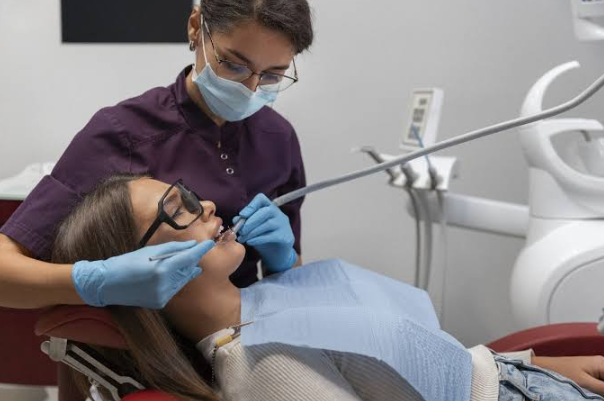
This is where general dentistry for sinus-related tooth pain becomes useful. A dentist does not just look for cavities. They check the bite, test tooth vitality, review your gums, and take images that can show whether a problem is inside a tooth, around the root, or more likely connected to sinus inflammation instead.
See also: The Life-Saving Benefits of Having a Trickle Charger
Unchecked dental issues can keep the cycle going
If the real source is a tooth infection, time matters. A deep cavity or abscess does not usually settle down on its own. The pain may ease for a day or two, then come back stronger. Pressure can feel worse when you lie down, and chewing on one side may become your new normal before you even notice you are doing it.
An untreated infection can spread into surrounding tissue and lead to swelling, fever, bad taste in the mouth, or severe pain. MedlinePlus explains tooth abscess as a bacterial infection that creates a pocket of pus, and it often needs prompt dental treatment. If you have been managing “sinus pressure” again and again with over the counter remedies but the pain keeps returning to the same side, that pattern deserves a dental evaluation.
There is also a financial side to this. Repeated urgent care visits, decongestants, missed work, and delayed treatment add up. A routine exam and X rays often identify a problem before it becomes a root canal, extraction, or emergency visit. The cost of waiting is not only money. It is more pain, more disruption, and more guesswork.
A general dentist helps narrow down the cause
A general dentist starts with the basics that often get missed when symptoms are vague. Which teeth are sensitive to tapping or temperature? Is there gum swelling near one upper tooth? Does the pain increase when you bite? Is there a crack line? Are you clenching at night and creating pressure in the jaw that radiates into the face?
Dental imaging helps too. In some cases, a standard dental X ray shows decay near the nerve or bone loss around a root. In more complex cases, further imaging can reveal how close the tooth roots are to the sinus floor or whether infection may be affecting nearby structures. The clinical details in this NCBI overview of maxillary sinusitis of endodontic origin reflect what many patients find surprising, that a sinus complaint can begin with a dental infection.
This is one reason dentists and sinus pressure symptoms belong in the same conversation. If your symptoms are tied to a dental source, treatment may include a filling, root canal therapy, bite adjustment, gum care, or an extraction when a tooth cannot be saved. If your teeth look healthy, your dentist can tell you that too, which helps you move toward the right medical follow up with more confidence.
Home care and dental evaluation serve different roles
| Approach | What it can help with | What it cannot do |
|---|---|---|
| Saline rinses, hydration, rest | May ease nasal irritation and mild sinus congestion | Will not treat a cavity, cracked tooth, or abscess |
| Over the counter pain relief | Can reduce discomfort for a short time | Does not remove infection or fix the cause |
| General dental exam and X rays | Can identify tooth decay, infection, gum disease, bite strain, and referred pain | Will not treat non dental sinus disease by itself |
| Medical sinus care | Can address allergies, viral illness, or sinus inflammation | May miss a hidden dental source if the teeth are not evaluated |
The strongest path is not choosing one over the other when symptoms are unclear. It is ruling out the dental source early. That is where a general dentist often becomes the missing piece.
Clear steps help you move from guessing to answers
Track the pattern. Pay attention to where the pressure starts, whether it is one sided, and whether chewing, cold drinks, or lying down makes it worse. These details help separate sinus inflammation from tooth based pain.
Schedule a dental exam when upper tooth pain and sinus pressure overlap. If the discomfort keeps returning, affects the same area, or comes with gum swelling, bad taste, or pain when biting, get it checked. A routine visit can reveal issues that are easy to miss at home.
Know the red flags. Seek urgent care if you have facial swelling, fever, severe tooth pain, trouble opening your mouth, or symptoms that rapidly worsen. Those signs can point to an infection that needs prompt treatment.
Relief starts with the right source
Persistent facial pressure is exhausting, especially when you have tried to manage it and nothing fully works. The good news is that the answer may be more straightforward than it feels right now. Dental care for sinus pressure is often about finding out whether your teeth are contributing to the problem, then treating the cause instead of chasing the symptoms.
If frequent sinus pressure keeps coming back, schedule a visit with a general dentist and get a clear look at what is happening. The sooner you know whether the source is dental, the sooner you can stop guessing and start feeling better.