
When people think about saving energy at home, they often imagine expensive upgrades—new insulation, solar panels, or full remodels. But the truth is, you don’t need major renovations to make a meaningful difference.
In fact, some of the most effective energy-saving strategies are simple, affordable, and easy to implement. With a few thoughtful adjustments, you can reduce your electricity usage, lower your bills, and create a more efficient home—without tearing down walls or spending a fortune.
In this guide, we’ll walk through practical, people-first ways to adapt your home for energy savings, starting today.
Why Small Changes Matter More Than You Think
Energy efficiency isn’t just about big upgrades—it’s about daily habits and small improvements.
Your home uses energy constantly for:
- Lighting
- Cooling and heating
- Appliances
- Electronics
Even minor inefficiencies, when repeated every day, can add up quickly. The good news? Small fixes can add up just as fast in the opposite direction.
Simple Ways to Improve Energy Efficiency Without Renovations
These strategies are designed to fit into your routine—not disrupt it.
1. Seal Air Leaks Around Doors and Windows
One of the easiest ways to improve efficiency is to prevent air from escaping.
Look for:
- Drafts around doors
- Gaps in window frames
- Cracks near vents
What you can do:
- Use weatherstripping
- Apply door sweeps
- Seal small gaps with caulk
This helps keep cool air in and hot air out—especially important in warmer climates.
2. Use Curtains and Blinds Strategically
Windows are a major source of heat gain.
Try this:
- Close curtains during peak sunlight hours
- Use blackout or thermal curtains
- Open them in the morning for natural light
This simple habit can reduce the need for air conditioning.
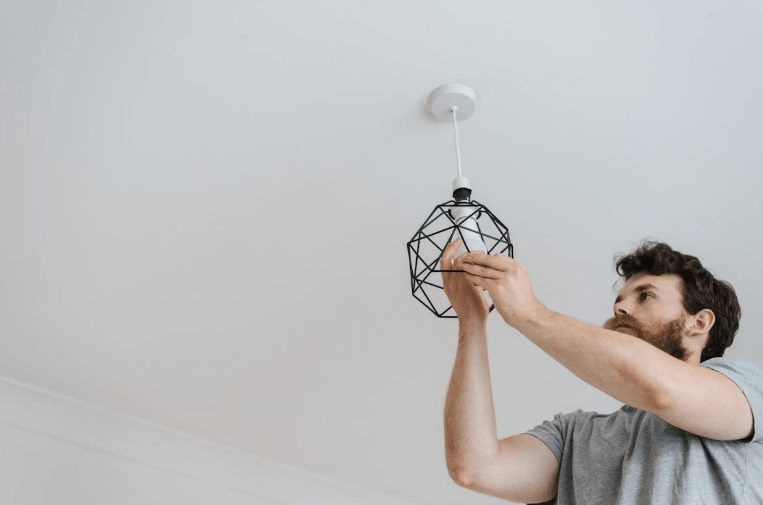
3. Switch to Energy-Efficient Lighting
Lighting may seem small, but it’s used throughout the day.
Upgrade to:
- LED bulbs
- Lower wattage options
- Task lighting instead of full-room lighting
These changes reduce energy use without affecting brightness.
4. Adjust Your Thermostat Settings
Cooling and heating systems are the biggest energy users in most homes.
Make small adjustments:
- Increase temperature slightly in warmer months
- Decrease it slightly in cooler months
- Use programmable or smart thermostats if available
Even a few degrees can make a noticeable difference.
5. Unplug Devices You’re Not Using
Many electronics continue to draw power even when turned off.
Common culprits:
- Chargers
- TVs
- Kitchen appliances
Simple fix:
- Unplug devices when not in use
- Use power strips for convenience
This reduces standby energy consumption.
6. Optimize Your Appliance Use
You don’t need new appliances—just smarter usage.
Tips:
- Run full loads of laundry and dishes
- Use cold water when possible
- Avoid overusing dryers
Efficient habits can significantly reduce energy use.
7. Improve Airflow in Your Home
Better airflow reduces the need for constant cooling.
How to do it:
- Use fans to circulate air
- Keep vents unblocked
- Open windows during cooler hours
This helps maintain comfort without relying heavily on air conditioning.
8. Rearrange Your Space for Efficiency
Sometimes, layout matters.
Examples:
- Keep heat-generating appliances away from cooling areas
- Avoid blocking vents with furniture
- Place workspaces near natural light
These small adjustments improve overall efficiency.
9. Use Timers and Automation
Even without a full smart home setup, you can automate simple tasks.
Try:
- Timers for lights
- Scheduled appliance use
- Automatic shut-off features
This ensures energy isn’t used longer than necessary.
10. Be Mindful of Daily Habits
Your behavior plays a major role.
Ask yourself:
- Do I leave lights on unnecessarily?
- Am I using appliances efficiently?
- Can I reduce usage without affecting comfort?
Awareness is one of the most powerful tools for saving energy.
See also: Build Your Dream Home with London’s Top Design Company
The Financial Impact of Small Changes
These adjustments may seem minor, but they can lead to:
Lower Energy Consumption
Less waste across daily activities.
Reduced Monthly Bills
Savings that build over time.
More Predictable Costs
Better control over your energy usage.
In regions where energy pricing varies, such as areas influenced by texas energy markets. These small improvements can have a noticeable effect on your overall expenses.
The Psychology of Energy Efficiency
Many people assume saving energy requires effort or sacrifice.
But in reality:
- Small changes are easier to maintain
- Simple habits become automatic
- Efficiency can feel natural over time
The key is to start small and stay consistent.
Small Changes That Make a Big Difference
You don’t need to do everything at once.
Start with:
- Sealing one draft
- Switching a few light bulbs
- Adjusting your thermostat slightly
These small steps can lead to meaningful results.
Frequently Asked Questions (FAQs)
1. Can I really save energy without renovating my home?
Yes. Small changes in habits and minor adjustments can significantly reduce energy use.
2. What’s the easiest way to start saving energy?
Turning off unused lights and unplugging devices are simple and effective steps.
3. Do LED bulbs make a big difference?
Yes. They use less energy and last longer than traditional bulbs.
4. How much can I save with small changes?
It varies, but consistent improvements can noticeably lower your monthly bills.
5. Is it worth using power strips?
Yes. They make it easier to reduce standby power consumption.
6. Do I need smart devices to save energy?
No. While helpful, simple habits and adjustments can be just as effective.
Final Thoughts
You don’t need major renovations to create an energy-efficient home. In fact, some of the most effective changes are the simplest ones.
By focusing on small improvements, building better habits, and making intentional choices, you can reduce your energy use without adding stress or expense.
Because in the end, energy efficiency isn’t about big transformations—it’s about small, consistent actions that add up over time.