Clinical Trials: Driving Medical Innovation Through Technology, Diversity, and Regulatory Evolution

Clinical trials form the foundation for progress in modern medicine, acting as the bridge between laboratory discoveries and bedside care. These carefully controlled studies serve a critical purpose: to determine whether new treatments are both safe and effective before they become widely available. Without clinical trials, innovations would lack the rigorous testing needed to ensure they truly benefit patients. For a detailed overview of their importance, visit what are clinical trials?. Up-to-date clinical trial data enable physicians and regulatory bodies to make informed choices that prioritize patient wellbeing over speculation or unproven methods.
The importance of clinical trials extends beyond just new drug approvals. They open the door to groundbreaking therapies in areas such as immunotherapy, gene editing, and personalized medicine. In every major therapeutic advancement, robust clinical trial data ensure treatments are not only effective but also safe for public use. As medical knowledge expands rapidly, these studies remain the linchpin in translating scientific insights into everyday clinical practice.
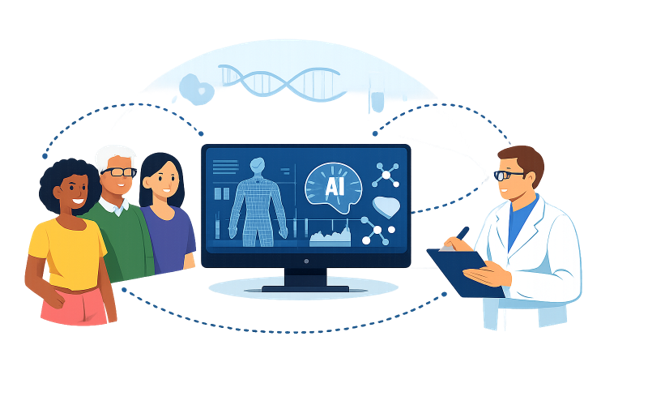
Recently, technological advancements have begun to reshape the model of clinical trials. Artificial intelligence (AI) is at the forefront, analyzing extensive clinical data to recognize trends, predict patient outcomes, and accelerate drug discovery. Digital twin technology now allows researchers to simulate individual patient experiences, further personalizing trial outcomes. This digital approach streamlines the traditional, lengthy, and costly nature of trials, delivering results faster and reducing reliance on large participant groups. Experts believe that integrating these tools will help tackle previously unsolvable bottlenecks in medical research. For a deeper look at the impact of digital twins, see this in-depth feature from TechTarget.
The effectiveness of any new treatment depends on how well the trial population represents the wider community. Historically, certain groups, including Black and Hispanic populations, have been notably underrepresented in clinical trials. This lack of inclusion can limit how well a therapy works for everyone and can sometimes result in unforeseen side effects. Ongoing efforts, supported by both public institutions and private industry, are dedicated to ensuring greater diversity in trials, a move essential for making modern medicine equitable.
The Role of Clinical Trials in Medical Innovation
By consistently bridging discovery and application, clinical trials have powered some of the most significant breakthroughs in healthcare. Their rigorous, methodical approach ensures only treatments backed by strong evidence move forward, playing a pivotal role in setting global medical standards. Clinical trials provide clarity in areas of uncertainty, shaping not only treatments but also prevention strategies and long-term care protocols.
Technological Innovations Transforming Clinical Trials
The introduction of AI and digital twins is rapidly making clinical trials more efficient and adaptive. AI-powered platforms can draw from millions of patient records, rapidly generating hypotheses and identifying optimal patient groups for research. By leveraging machine learning, research teams can predict which compounds are likely to succeed much earlier in the drug development process.
Digital twins are a particularly groundbreaking development. These virtual models mirror the physical and biological characteristics of real patients, enabling researchers to run detailed simulations and explore personalized treatment plans. This reduces the need for overly large cohorts and shortens the time required for data collection and analysis, ultimately accelerating the drug development journey from conception to market.
Ensuring Diversity in Clinical Trials
Successful clinical trials must reflect the real-world diversity of patients. Yet barriers such as mistrust, limited outreach, and logistical challenges have historically limited participation by some minority groups. When clinical trials lack broad representation, therapies may perform differently across various populations once released, leading to health disparities. Community engagement, culturally competent recruitment, and partnerships with local organizations are now a major focus for sponsors aiming to increase inclusivity. The FDA recognizes that ongoing improvement in this area is vital for public health.
Regulatory Adaptations to Accelerate Approvals
The FDA and other regulatory bodies are evolving in response to rapid technological progress in clinical trial design. Initiatives now include accepting data obtained from AI-driven methods and supporting real-time digital tracking of studies. More adaptive regulatory pathways have emerged, cutting approval times and bringing new therapies to patients faster, without sacrificing safety. The FDA has recently rolled out systems that use artificial intelligence to track active trials in real time, offering the agility needed to respond to urgent public health demands.
Challenges and Ethical Considerations
Despite the promise of innovation, new challenges must be managed. Data privacy and algorithmic bias are top concerns, especially as AI assumes a greater role in managing sensitive health information. Ethics committees, industry groups, and government agencies are tasked with ensuring that patient consent, data protection, and equitable access remain priorities during trial design and execution. The high financial costs involved in modern clinical trials can also create pressure, making transparency and integrity more important than ever for public trust.
See also: Family Strategies for Preventing Tooth Decay: A Practical Guide for Healthy Smiles
The Future of Clinical Trials
Looking ahead, the clinical trial process will become even more intelligent and participant-focused, thanks to continuous technological innovation and expanding efforts to reach all segments of society. Regulatory frameworks will evolve alongside one another, enabling patients to benefit from cutting-edge therapies faster than ever while maintaining essential safety standards. As big data, AI, and patient advocacy converge, the potential to solve persistent healthcare challenges grows brighter.
Conclusion
Clinical trials are indispensable for advancing modern medicine. As new technologies and approaches emerge, trials are becoming more efficient, inclusive, and transformative, rapidly shaping the therapies of tomorrow. By maintaining rigorous standards, prioritizing diversity, and adopting innovation responsibly, clinical trials will continue to serve as the backbone of medical progress for decades to come.