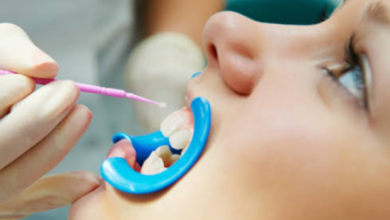

The health outcomes of adulthood are shaped in significant ways by the conditions, habits, and experiences of childhood — and oral health is one of the clearest examples of this principle. The dental foundation established in the first years of life, the habits formed in childhood, the presence or absence of early professional care, and the experiences that shape a child’s relationship with dental treatment all have consequences that extend across decades. Understanding how early dental care — or its absence — impacts long-term health helps parents and caregivers make more informed decisions about a dimension of their child’s healthcare that is often undervalued.
The Lifelong Habit Foundation
The oral hygiene habits established in childhood are among the most durable behavioral patterns a person carries into adult life. Children who learn effective brushing and flossing techniques, who experience those habits as a normal and non-negotiable part of daily routine rather than an imposition, and who develop an understanding of why they matter are significantly more likely to maintain those habits consistently throughout their lives than those for whom the habits were never established or were established inconsistently. The inverse is equally true — children who grow up without reliable oral hygiene habits carry that deficit forward, and the cumulative consequences in tooth decay, gum disease, and tooth loss accumulate across the decades that follow. A pediatric dentist in Escondido or any qualified pediatric dental practice plays a role not only in treating existing conditions but in reinforcing the home care behaviors that determine long-term oral health trajectories.
The Structural Consequences of Early Dental Problems
Problems that begin in the primary dentition have direct structural consequences for the permanent teeth that follow. Premature loss of primary teeth — most commonly caused by untreated decay — disrupts the spatial organization of the developing dental arch, causing adjacent teeth to drift into the vacated space and compromising the eruption pathway of the permanent tooth developing beneath. The result is frequently crowding, impaction, and misalignment that requires orthodontic treatment to address. Conversely, early dental care that prevents premature tooth loss preserves the structural integrity of the developing arch and gives the permanent dentition the best available opportunity to erupt in proper alignment. The investment in preventing early childhood cavities is an investment in the orthodontic simplicity of the permanent dentition.
The Psychological Dimension of Early Dental Experience
A dimension of long-term dental health that is less often discussed but clinically significant is the psychological relationship with dental care that is established in childhood. Adults who avoid dental care — who delay visits until pain forces intervention, who require sedation for routine procedures, who experience significant anxiety that compromises the quality of their care — are disproportionately likely to have had negative early dental experiences that shaped their relationship with dental treatment in lasting ways. Early dental experiences that are patient, gentle, age-appropriate, and positively reinforced build a relationship with dental care that persists into adult life as routine engagement rather than avoidance. The most important contribution a pediatric dental practice can make to long-term health may be giving children a relationship with dental care that they are not afraid to maintain.
See also: The Raw Honey Revolution: Why London’s Health Conscious Shoppers Are Making the Switch
Early Oral Health and Systemic Development
The connection between oral health and systemic health — well-established in adults — begins earlier in life than most people appreciate. Chronic oral infection and inflammation in childhood contribute to systemic inflammatory burden during a period of critical development. Dental pain that interferes with eating compromises nutritional intake and can affect growth and development. Oral health problems that affect speech development have consequences for communication skills and academic readiness. Disrupted sleep caused by dental pain affects cognitive development, attention, and behavior in ways that can be mistaken for primary behavioral or developmental issues. Early dental care that prevents these downstream consequences protects not just the teeth but the broader developmental trajectory of the child.
Conclusion
Early dental care is not a narrow pediatric health concern — it is a foundational investment in the long-term health, structural development, psychological wellbeing, and life-long healthcare engagement of the person that child will become. The habits formed, the structures preserved, the experiences created, and the systemic health protected by attentive early dental care produce returns that compound across an entire lifetime. Beginning that investment early, maintaining it consistently, and choosing dental care partners who understand its full significance is one of the most meaningful healthcare decisions a parent can make for their child.