
A roof does more than top off a house. It shields everything underneath it, supports energy efficiency, and plays a major role in curb appeal and resale value. When homeowners think about upgrades that truly matter over time, roofing often belongs near the top of the list.
Because roofing affects protection, appearance, and maintenance costs all at once, it is one of the most practical places to invest in thoughtful planning. A well-maintained roof can help prevent avoidable damage, while a poorly managed one can lead to larger issues that spread far beyond the shingles.
Why Roofing Has a Bigger Impact Than Many Homeowners Realize
Most people do not spend much time thinking about their roof until a leak appears or storm damage becomes obvious. By that point, small warning signs may have already been present for months or even years. Missing shingles, worn flashing, clogged drainage paths, and poor ventilation can quietly reduce the life of the entire system.
A roof functions as part of a larger exterior envelope. It works together with gutters, siding, insulation, and ventilation to help control moisture and temperature. When one part underperforms, the rest of the home can feel the consequences. That might show up as higher indoor humidity, uneven temperatures, staining on ceilings, or gradual structural wear.
This is why roofing decisions should not be made only around emergency repairs. They should also be viewed as part of long-term home care.
The Value of Preventive Maintenance
Preventive maintenance is often less expensive and less disruptive than reactive repairs. Regular attention can help homeowners spot minor issues before they escalate into major projects.
A proactive roofing approach usually includes:
- Checking for visible wear after heavy wind or rain
- Looking for loose, curling, or missing shingles
- Inspecting flashing around chimneys, vents, and skylights
- Keeping gutters and downspouts clear
- Watching for interior signs such as ceiling discoloration or attic dampness
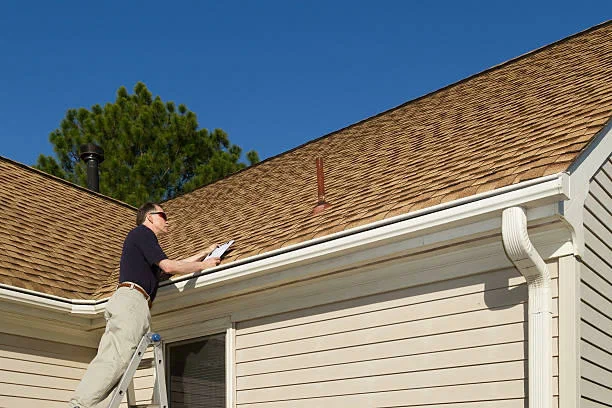
- Scheduling occasional professional inspections
These steps do not guarantee that damage will never occur, but they can make issues easier to catch early. Early detection matters because water intrusion tends to spread. What begins as a small roofing concern can eventually affect insulation, drywall, framing, and even indoor air quality.
Homeowners who treat maintenance as an ongoing habit often have more flexibility when decisions arise. Instead of feeling forced into rushed work during an emergency, they can plan repairs or replacement with better timing and clearer priorities.
Materials Matter, but So Does Installation Quality
When discussing roofing, material selection often gets most of the attention. Asphalt shingles, metal roofing, and other systems each offer different advantages in appearance, durability, and upkeep. Yet even a strong material can underperform if installation details are rushed or overlooked.
Proper installation influences how well the roof handles water, wind, expansion and contraction, and seasonal wear. Elements such as underlayment, flashing placement, ventilation strategy, and edge protection all contribute to overall performance. In many cases, long-term success depends just as much on craftsmanship as on product choice.
That is one reason homeowners benefit from understanding the full scope of a roofing project rather than focusing only on the surface layer. Learning more about process, priorities, and service considerations through resources like Ideal Precision Roofing can help homeowners evaluate roofing work in a more informed way.
A strong project plan should account for more than aesthetics. It should address drainage, insulation interaction, weather exposure, and future maintenance needs. That broader view often leads to better outcomes than choosing based on color or price alone.
Signs It May Be Time to Act
Not every roof problem announces itself with a dramatic leak. Some of the most important signs are subtle and easy to dismiss at first. Paying attention to changes around the home exterior can help homeowners recognize when it is time for a closer look.
Here are several indicators worth noting:
1. Shingles No Loollecting in Gutters
Excessive granule loss can signal that shingles are wearing down. While some granule shedding is normal over time, visible buildup may suggest the system is aging.
3. Interior Stains or Musty Odors Appear
Water does not always drip in obvious ways. It may travel behind walls or above ceilings before becoming visible. Stains, peeling paint, or damp attic smells deserve attention.
4. Gutter Performance Has Changed
Overflowing gutters, sagging sections, or water pooling near the foundation can point to drainage problems. Roofing and gutter systems are closely connected.
5. The Roof Has Reached an Advanced Age
Even without dramatic damage, older roofs may need closer monitoring. Age alone does not determine replacement timing, but it should encourage more careful inspection.
Acting on these signs early can help preserve options. In some cases, a repair may be enough. In others, a broader update may be more practical. The key is not waiting until the issue becomes urgent.
See also: How an Electrician Can Improve Your Home’s Safety
Roofing and Curb Appeal Go Hand in Hand
A roof is one of the first features people notice from the street, even if they are not consciously thinking about it. Streaking, uneven coloring, sagging lines, or visibly worn sections can affect the overall impression of a property.
This matters not only for resale but also for pride of ownership. Exterior consistency helps a home look cared for and structurally sound. A roof that complements the home’s style can improve visual harmony across siding, trim, windows, and landscaping.
For homeowners planning future improvements, roofing can also serve as a foundation for other exterior upgrades. It often makes sense to think about roofing in connection with gutters, ventilation improvements, insulation strategy, or broader exterior renovations. Coordinating these decisions can reduce disruption and create a more unified result.
A Smart Roofing Mindset for the Long Term
The best roofing decisions are rarely the most rushed ones. They come from understanding how the roof fits into the life of the home and treating it as a system that deserves ongoing attention.
A practical long-term mindset includes three habits:
- Observe regularly. Small visual checks can reveal developing issues.
- Respond early. Minor problems are often easier to manage before moisture spreads.
- Think beyond the surface. Roofing performance depends on installation details, ventilation, and drainage as much as on materials.
Homeownership always involves maintenance, but not every task offers the same return in protection and peace of mind. Roofing stands out because it affects so many other parts of the home at once. When approached thoughtfully, it supports comfort, durability, and appearance for years to come.
Conclusion
A roof is not just another exterior feature. It is a central part of how a home stays protected, efficient, and visually appealing over time. Homeowners who stay proactive, pay attention to warning signs, and take a full-system view are usually better positioned to avoid preventable problems.
Whether the goal is preserving home value, improving resilience, or simply reducing the chances of future surprises, roofing deserves consistent attention. Thoughtful decisions today can make a meaningful difference in how well a home performs tomorrow.