The Intersection of Art and Science: The Vital Role of Physical Representation in Medical Education

The human body is perhaps the most intricate machine in existence, a biological masterpiece defined by layers of complexity that range from the microscopic dance of cellular organelles to the macroscopic coordination of organ systems. For centuries, the primary challenge for educators and medical professionals has been finding ways to render this complexity visible and tangible. While the digital revolution has introduced a suite of virtual tools, the physical model of human body remains an indispensable cornerstone of the pedagogical landscape. These high-fidelity representations provide a bridge between abstract theory and clinical reality, offering a tactile experience that deepens spatial understanding and enhances memory retention. As we move further into a world of personalized medicine and advanced surgical techniques, the importance of grounding our education in physical, three-dimensional reality has never been more pronounced.
The Cognitive Science of Tactile Learning
Educational psychology has long identified the benefits of multisensory engagement in the learning process. When a student interacts with a physical model, they are not merely viewing data; they are engaging their kinesthetic and spatial intelligence. This is particularly critical in anatomy, where the relationship between structures—such as the proximity of a nerve to a specific bone or the way an artery loops around a muscle—is best understood through three-dimensional manipulation.
A physical model allows the learner to view a structure from infinite angles, providing a sense of depth and volume that a two-dimensional textbook or even a flat computer screen cannot fully replicate. This “spatial mapping” is a fundamental skill for surgeons, nurses, and physical therapists, who must be able to visualize the internal landscape of a patient based on external landmarks. By practicing with physical representations, students build a mental library of anatomical relationships that becomes intuitive over time, reducing the cognitive load during high-pressure clinical situations.
Precision and Fidelity in Modern Manufacturing
The quality of anatomical representations has seen a dramatic leap forward thanks to advancements in material science and medical imaging. Today’s high-end models are often cast from real human specimens or designed using high-resolution CT and MRI data. This ensures that every ridge, groove, and foramen is represented with anatomical precision. Manufacturers utilize varied polymers to mimic the textures of the human body, from the rigid density of cortical bone to the soft, pliable nature of pulmonary tissue.
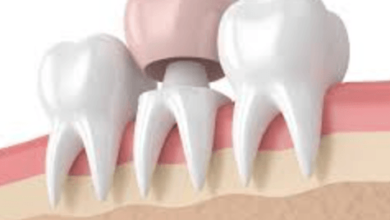
This fidelity is not merely for aesthetic purposes; it is essential for technical accuracy. In a dental or orthopedic setting, a model that misrepresents the curvature of a bone or the depth of a sinus could lead to fundamental misunderstandings. By providing a reliable, standardized reference point, these models ensure that all members of a healthcare team are operating from the same anatomical baseline. They allow for the simulation of procedures, such as catheterization or suturing, in a safe environment where repetition is encouraged and mistakes serve as valuable learning opportunities rather than risks to patient safety.
The Microscopic Frontier: Cell Biology and Conceptualization
While macroscopic anatomy focuses on the visible structures of the body, the true engine of life resides at the cellular level. Understanding the internal architecture of a cell—the nucleus, mitochondria, ribosomes, and the intricate folding of the endoplasmic reticulum—is a daunting task for many students due to the abstract nature of the microscopic world. This is where the practice of modelling biology serves as a vital educational intervention.
Physical models of cells and their components take the invisible and make it palpable. By enlarging these structures thousands of times, educators can demonstrate how the form of an organelle dictates its function. For instance, visualizing the double-membrane structure of a mitochondrion or the complex surface of a virus helps students grasp how biological systems interact at a molecular level. These models are particularly effective in fields like oncology, genetics, and pharmacology, where the target of a treatment is often a specific cellular receptor or a genetic sequence. Making these concepts tangible removes the barrier of abstraction and allows for a more profound engagement with the fundamental principles of life.
Bridging the Communication Gap with Patients
Beyond the classroom and the laboratory, anatomical models play a pivotal role in the doctor-patient relationship. Medical terminology can often feel like a foreign language to a patient facing a new diagnosis. A physician who uses a physical model to explain a spinal disc herniation, a heart valve defect, or the progression of a cataract provides the patient with immediate clarity.
When a patient can see and touch a representation of their own anatomy, their level of health literacy increases. This visual and tactile aid reduces anxiety and fosters a sense of informed consent. Patients who understand the “how” and “why” of their condition are more likely to comply with treatment plans and feel empowered in their healthcare journey. In this context, the model serves as a tool of empathy, translating complex medical data into a shared human understanding. It democratizes medical knowledge, making it accessible to those who need it most during vulnerable moments.
The Enduring Value of Physicality in a Digital Age
It is tempting to assume that virtual reality (VR) and augmented reality (AR) will eventually render physical models obsolete. However, current trends in medical education suggest the opposite. While digital tools are excellent for showing dynamic processes—such as blood flow or nerve impulses—they lack the “haptic feedback” that is essential for developing manual dexterity. A digital heart can show you how a valve opens and closes, but it cannot teach you the precise amount of pressure required to navigate a surgical instrument through a physical space.
Furthermore, physical models are inherently reliable. They require no software updates, no internet connection, and no electricity. They are persistent resources that stay in a laboratory or clinic for decades, serving as silent mentors to generations of students. In many parts of the world where technological infrastructure may be inconsistent, these physical tools remain the most resilient and effective way to train the next generation of healthcare providers. The future of medical education is not a choice between physical and digital; it is the strategic integration of both.
Sustainability and Long Term Investment in Education
From an institutional perspective, the procurement of high-quality anatomical models is a strategic long-term investment. These tools are designed to withstand the rigors of high-traffic educational environments. They are washable, durable, and resistant to the wear and tear of daily use. Unlike digital subscriptions that expire or hardware that becomes obsolete within a few years, a well-made skeletal or muscular model can serve an institution for twenty years or more.
This longevity makes them an environmentally and financially sustainable choice. They provide a standardized educational experience that ensures every student, regardless of the year they graduate, has had access to the same high-quality anatomical references. As medical schools and hospitals look for ways to optimize their training budgets, the reliability and durability of physical models remain a compelling factor in their continued use.
Conclusion: A Multi Dimensional Understanding of Life
The study of the human form is a journey that begins at the surface and dives deep into the molecular foundations of life. Whether we are exploring the macroscopic systems that allow us to move and interact with the world or the microscopic processes that govern our health, our understanding is significantly enhanced when we can see and touch the subject of our study. Physical models provide a sense of scale, a depth of perspective, and a level of tactile engagement that is fundamental to the human experience of learning.
By grounding medical education in physical reality, we ensure that the practitioners of tomorrow are not just proficient in theory, but comfortable in the three-dimensional world of clinical practice. From the classroom to the consulting room, these tools of representation remain the most powerful way to translate information into wisdom. The human body is a three-dimensional marvel, and it is only fitting that we use three-dimensional tools to unlock its many mysteries. Through the continued use and advancement of these models, we preserve a tradition of excellence that values precision, empathy, and a profound respect for the biological architecture of life.