
Table of Contents
- VA Dental Coverage Overview
- Eligibility Criteria for VA Dental Benefits
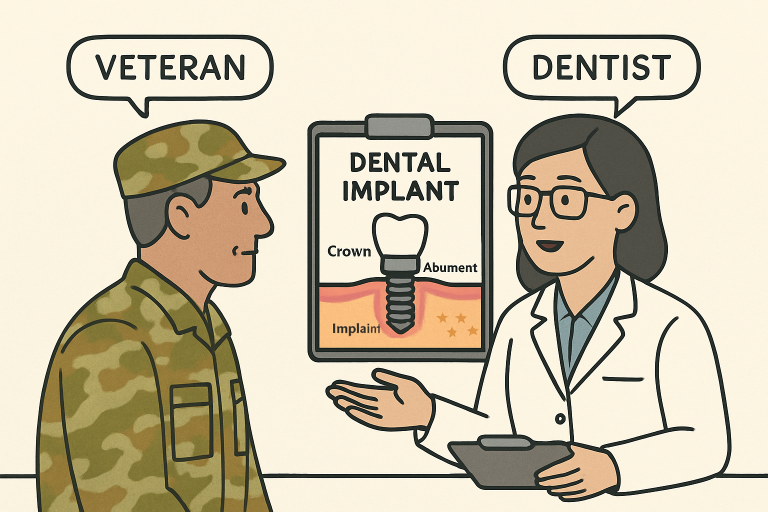
- Does VA Dental Cover Implants?
- VA Dental Insurance Program (VADIP)
- Alternative Options for Dental Implants
- Recent Advancements in VA Dental Services
- Legislative Efforts to Expand Dental Coverage
- Conclusion
Comprehensive dental care is vital to overall health, but veterans often face confusion about their dental benefits through the Department of Veterans Affairs (VA). This uncertainty is especially prominent when it comes to advanced procedures such as dental implants. Navigating VA dental coverage can feel daunting, which is why it is essential to address key questions, including does VA dental cover implants. The following guide explores VA dental coverage in depth, focusing on implant eligibility and outlining alternative options for veterans seeking effective dental care.
For many veterans, understanding what is covered under VA dental care is the first step toward accessing the treatment they need. Although the VA provides essential medical services, its dental benefits can be restricted and may not align with the broader healthcare services veterans expect. Implants, considered one of the most effective restorative options for missing teeth, raise unique questions about coverage, costs, and eligibility.
With rising demand for dental implants among veterans and limited direct VA coverage, knowing all the available options becomes crucial. Whether through government benefits, private insurance, or community programs, veterans have several pathways to quality dental care tailored to their individual needs.
Beyond government programs, some nonprofit groups and dental schools also offer affordable solutions for complicated restorative procedures, including dental implants. These alternatives can make it easier for veterans to access top-tier dental care without facing overwhelming costs. For further background on the challenges veterans face in obtaining dental care, see The New York Times’s reporting on veterans and dental care gaps.
VA Dental Coverage Overview
The VA offers dental care only to qualified veterans, and the coverage scope differs significantly from general VA medical benefits. Only a specific set of veterans is eligible for routine or comprehensive dental care based on factors outlined by the VA. Eligibility usually depends on the nature of service-connected medical or dental disabilities, former prisoner-of-war status, or specific programs designed for certain groups.
Eligibility Criteria for VA Dental Benefits
VA dental care eligibility is determined by stringent rules. Veterans are most likely to receive full dental benefits if they have service-connected dental injuries rated at 100 percent disability or if dental issues are directly related to combat injuries or resulting medical conditions. In addition, some former prisoners of war and those enrolled in VA rehabilitation programs can qualify. For most veterans, these requirements are challenging to meet, which restricts routine access to dental services like implants for the majority of the population.
Does VA Dental Cover Implants?
Among veterans who qualify for VA dental care, coverage for dental implants is provided only if the procedure is medically necessary. This determination depends on clinical need and eligibility status. For example, if a service-connected condition or injury makes an implant the only suitable option, the VA might approve coverage. However, for the vast majority, dental implants are not included under standard dental benefits, requiring veterans to seek external funding or insurance.
VA Dental Insurance Program (VADIP)
To help bridge the coverage gap, the VA has established the VA Dental Insurance Program (VADIP). This program lets eligible veterans and their families enroll in discounted private dental insurance plans, which can include preventive care, diagnostic services, and some restorative treatments. The inclusion of dental implants under VADIP depends on the specific insurance plan selected. Veterans should carefully review policy details and out-of-pocket costs, as implants and other major services may be covered partially or require substantial copayments. The U.S. Department of Veterans Affairs website provides further information and enrollment guidance for those interested in the VADIP plan. Stringent rules determine VA dental care eligibility, and many veterans seek alternate ways to obtain dental implants:
- Community Programs: Some dental clinics and organizations offer free or heavily discounted implants for veterans. Notably, initiatives like Smile Design Dentistry in Sarasota have provided complimentary implants to veterans, exemplifying the support found in local communities.
- Dental Schools: Dental schools, which serve both as training grounds for students and sources of affordable care, frequently offer high-quality services at lower prices, including implant procedures.
- Nonprofit Organizations: Specialized nonprofits cater to underserved populations, sometimes arranging for implant placement or subsidized care. Programs from groups such as Dental Lifeline Network extend valuable assistance to qualifying veterans.
Further resources on finding low-cost or free dental care for veterans can be found in this Healthline article.
Recent Advancements in VA Dental Services
New technology and increased investment have helped some VA dental clinics modernize their offerings. The West Palm Beach VA Healthcare System has adopted the Yomi robotic system, enabling enhanced accuracy and better outcomes in complex dental surgeries. Additionally, innovative setups, such as in-house dental digital manufacturing at Milwaukee VA Dental Service, reflect a growing commitment to digital dentistry and rapid response times for prosthetic devices. These advancements help ensure veterans receive state-of-the-art treatment where possible, even though access limitations remain a challenge for many.
Legislative Efforts to Expand Dental Coverage
Acknowledging the persistent coverage gap, Congress has introduced several initiatives to expand dental care for veterans. One of the most significant proposals is the Dental Care for Veterans Act (reintroduced in February 2025), which seeks to make dental services a core part of VA healthcare for all veterans, effectively eliminating current eligibility barriers. If enacted, this legislation could profoundly expand access to dental care, including implant coverage, benefiting many who currently go without dental care. News organizations like NPR have traced the progress and potential implications of such proposals for veteran health.
Conclusion
For most veterans, accessing affordable dental implants remains a complex process due to limited direct VA dental benefits. Being aware of eligibility criteria, exploring insurance such as VADIP, and taking advantage of alternative care options are essential steps. Community programs, nonprofit assistance, and legislative efforts all contribute to broadening access. Staying informed about policy updates and technological advancements in VA dental services can help ensure that veterans receive the best possible dental care over time.