Why Regular Roof Inspections Are Essential for Homeowners in San Antonio

Your roof protects everything inside your home—from your family and belongings to the structure itself. Yet it’s often one of the most overlooked parts of a house until a major problem appears. In a climate like San Antonio’s, where strong sun, heavy rain, and sudden storms are common, roofs can deteriorate faster than many homeowners expect.
Routine roof inspections help catch small issues before they turn into costly repairs. By taking a proactive approach, homeowners can extend the lifespan of their roofs and maintain the safety and comfort of their homes.
How San Antonio Weather Affects Your Roof
San Antonio’s climate can be demanding on roofing systems. The combination of heat, humidity, and storm activity puts constant stress on materials throughout the year.
During summer months, prolonged exposure to intense sunlight can cause shingles to dry out, crack, or curl. Meanwhile, heavy rainstorms and occasional hail can loosen or damage shingles, flashing, and gutters.
Wind is another major factor. Strong gusts can lift shingles and create openings where moisture can seep into the underlying structure. Once water begins to infiltrate the roof system, it can lead to mold growth, insulation damage, and structural concerns if left untreated.
Because many of these issues start small and remain hidden from view, regular inspections are one of the most effective ways to protect your home.
Signs Your Roof May Need an Inspection
While professional inspections are recommended annually, there are also several warning signs homeowners should watch for between scheduled visits.
Missing or Damaged Shingles
Shingles serve as the primary barrier against moisture and sunlight. If they become cracked, loose, or missing, your roof may be vulnerable to leaks.
Interior Water Stains
Water stains on ceilings or walls often indicate roof leaks. These stains may appear long after damage occurs, so it’s important to investigate the source quickly.
Granules in Gutters
Asphalt shingles contain protective granules that help shield them from UV rays. If you notice a large amount of granules collecting in your gutters, it could mean your shingles are wearing out.
Higher Energy Bills
A damaged roof can compromise insulation and ventilation. If your home suddenly becomes harder to cool during the summer, roof damage may be contributing to the problem.
What Happens During a Professional Roof Inspection?
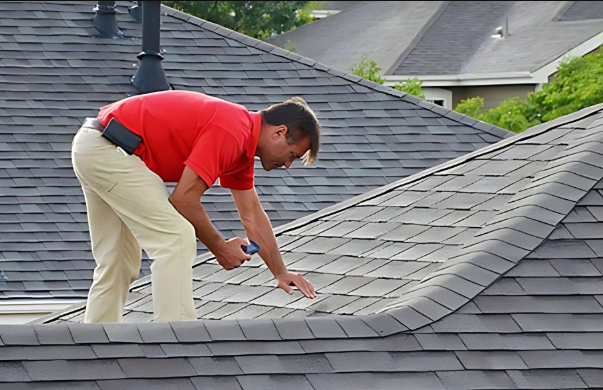
A professional roof inspection involves a detailed assessment of the entire roofing system. This includes not only the visible shingles but also the structural components that support them.
During an inspection, professionals typically evaluate:
- Shingles, tiles, or metal panels for damage or wear
- Flashing around chimneys, vents, and skylights
- Gutters and drainage systems
- Roof decking and structural integrity
- Attic ventilation and insulation
- Signs of moisture or water intrusion
The goal is to identify potential issues early, allowing homeowners to address them before they escalate into major repairs.
The Benefits of Early Detection
One of the biggest advantages of routine roof inspections is early problem detection. Minor damage—such as a few loose shingles—can often be repaired quickly and affordably. If ignored, however, the same issue may eventually require extensive repairs or even a full roof replacement.
Early detection helps homeowners:
- Reduce long-term repair costs
- Prevent water damage inside the home
- Extend the lifespan of roofing materials
- Maintain structural safety
- Preserve property value
In many cases, inspections also provide documentation that can be helpful after severe weather events.
See also: A Homeowner’s Guide to Recovering After Water Damage
Storm Season Preparedness
Storm season in Texas can bring heavy rain, hail, and strong winds. Even if a roof appears intact from the ground, storms can cause hidden damage that worsens over time.
Scheduling an inspection after a major storm can help ensure that your roof remains secure. Professionals can identify lifted shingles, damaged flashing, or weakened areas that might otherwise go unnoticed.
For homeowners preparing for storm season, an inspection offers peace of mind that the roof is ready to handle upcoming weather conditions.
When to Schedule a Roof Inspection
Experts generally recommend that homeowners schedule roof inspections at least once per year. However, certain situations may require additional checks.
Consider scheduling an inspection if:
- Your roof is more than 10 years old
- A severe storm or hail event recently occurred
- You’re planning to sell your home
- You notice interior water stains or leaks
- Your energy bills have unexpectedly increased
Some roofing companies also provide a free roof inspection in San Antonio, which allows homeowners to evaluate the condition of their roof without an upfront commitment.
Protecting Your Home with Preventive Care
Your roof plays a vital role in protecting your home from the elements. Yet because it’s largely out of sight, it’s easy to forget about routine maintenance until something goes wrong.
Preventive care—especially regular inspections—helps homeowners stay ahead of potential problems. Small repairs completed early can significantly extend the life of your roof and prevent larger structural issues down the road.
Conclusion
A strong, well-maintained roof is essential for protecting your home, improving energy efficiency, and preserving property value. In San Antonio’s demanding climate, routine inspections provide an important layer of protection against weather-related damage.
By scheduling inspections regularly and addressing minor issues early, homeowners can avoid costly repairs and maintain the long-term durability of their roofing systems.
Taking a proactive approach today can help ensure your roof continues to protect your home for many years to come.