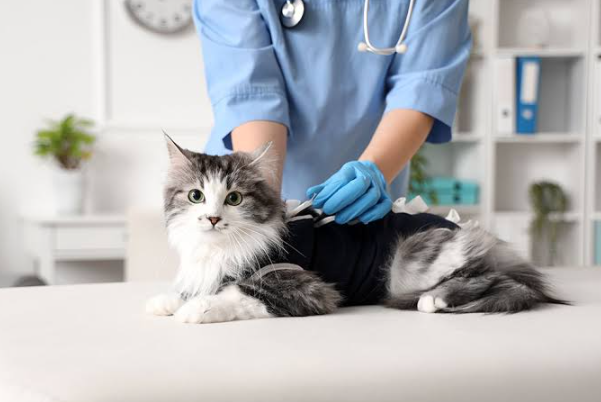

You brought your pet home, set up the bed, checked the discharge papers twice, and now every small change feels loaded. A longer nap, a skipped meal, a strange look in the eyes. After surgery, that uneasy feeling is common because recovery is rarely neat. Some pets bounce back with routine rest and medication. Others need closer watching because the first day or two can shift fast. Pet Wellness & Preventive Care Bronte.
The core issue is simple. Normal post op recovery in pets includes sleepiness, mild soreness, and a lower appetite for a short time. Trouble starts when those expected changes become more intense, last too long, or come with new symptoms. Knowing the warning signs helps you act early, which can protect healing and, in some cases, save your pet from a serious setback.
Some post surgical changes in pets are expected, but a few signs call for closer care
Anesthesia and pain medication can leave pets groggy, unsteady, or less interested in food for several hours. Washington State University notes that pets and anesthesia can affect body temperature, alertness, and normal behavior during recovery, which is why the first phase after a procedure deserves careful attention. You can read more about how anesthesia affects pets during recovery.
That said, there is a line between expected recovery and a pet who may need more intensive monitoring. These seven signs deserve a call to an animal hospital.
1. Breathing looks labored or unusual. Fast breathing, open mouth breathing in a cat, pale or bluish gums, or repeated coughing should not be brushed off as stress. Pain, airway irritation, fluid issues, or a reaction to medication can all change breathing after surgery.
2. Extreme lethargy does not improve. A sleepy pet is common after a procedure. A pet who cannot lift their head well, will not respond normally, or seems to fade as the day goes on needs reassessment. You know your pet’s baseline. If they seem absent rather than tired, trust that instinct.
3. Vomiting continues or your pet cannot keep water down. One episode may happen after anesthesia. Repeated vomiting can lead to dehydration fast, especially in small pets or seniors. It can also point to pain, nausea from medication, or a bigger complication.
4. The incision changes quickly. Mild redness and a small amount of swelling may be expected. Active bleeding, a bad smell, pus, heat, widening of the incision, or tissue bulging out needs prompt attention. Orthopedic teams at the University of Illinois stress the need to follow incision and activity instructions closely after surgery, especially when movement can disrupt healing. Their orthopedic surgery recovery guidance is a helpful reference.
5. Pain seems uncontrolled. Whining, panting at rest, shaking, hiding, growling when touched, or refusing to settle can mean your pet’s pain plan is not enough. Pets often hide pain until they cannot anymore. When pain rises, recovery gets harder because they eat less, sleep poorly, and resist movement that may be needed for safe circulation.
6. Your pet cannot urinate or defecate normally. Straining, crying in the litter box, no urine output, or a swollen belly can become urgent quickly. Some medications slow the gut. Some surgeries affect posture or comfort enough that pets avoid elimination. The problem is not just inconvenience. It can turn into a medical emergency.
7. Your pet will not eat for too long or refuses all medication. A delayed meal may be fine. A continued refusal to eat, drink, or take prescribed medication creates a chain reaction. Pain relief gets skipped, nausea may worsen, hydration drops, and healing slows. This is one of the most common reasons a pet needs closer follow up.
See also: Welding Solutions Troy, MI: Extend Tool Life With SurfAlloy Surface Treatments
Signs your pet needs closer monitoring after surgery often build from small changes
Most complications do not announce themselves in a dramatic way. It starts with a pet who seems a little more restless than expected, or a dog who usually wants water but turns away from the bowl. Then the incision looks puffier by evening, or your cat is still hiding long after the medication should have worn off. Those small details matter because recovery problems tend to stack. Pain can reduce eating. Poor intake can worsen weakness. Weakness can make it harder to walk outside or use the litter box. A rough night can become a risky morning.
This is where people second guess themselves. You do not want to overreact, and you do not want to miss something serious. That tension is real. The safest approach is to watch for patterns instead of single moments. One sleepy hour may be normal. Sixteen hours of worsening weakness is not.
Post operative pet monitoring is easier when you know what can wait and what cannot
| Sign | May Be Expected Briefly | Needs More Intensive Monitoring |
|---|---|---|
| Sleepiness | Calm, rousable, improving over several hours | Hard to wake, worsening, confused, collapses |
| Appetite | Small meal refused once | No interest in food or water into the next day |
| Incision | Mild swelling, light bruising | Bleeding, pus, bad odor, opening, marked swelling |
| Breathing | Light panting briefly after coming home | Rapid breathing at rest, effort, pale or blue gums |
| Vomiting | One isolated episode | Repeated vomiting or cannot keep water down |
Good recovery also depends on consistent oversight. The USDA’s guidance on a written veterinary care program reflects a broader truth that applies at home too. Clear instructions, close observation, and timely response reduce risk.
What you can do right away when recovery feels off
Track the basics in writing. Note the time of each medication, meals, water intake, bathroom trips, vomiting, and any changes in breathing or behavior. A short log gives an animal hospital useful information fast, and it keeps stress from blurring the timeline.
Check the incision and gum color in good light. Take a photo if you are unsure whether swelling or redness is changing. Look at the gums too. Healthy gums are usually pink. Pale, white, gray, or blue tinges need urgent attention.
Call sooner if your pet is getting worse, not just different. Owners often wait because they hope the next hour will look better. If your pet is declining, cannot rest, cannot keep water down, struggles to breathe, or the incision changes quickly, contact an animal hospital right away.
Careful watching protects healing after pet surgery
Recovery can be messy, and you are not overreacting by paying close attention. The first signs of trouble are often quiet. A pet who needs more support after surgery may not look dramatic at first, but the pattern tells the story. If you notice these 7 Signs A Pet May Need More Intensive Monitoring After Surgery, act early and reach out to an animal hospital for guidance. That quick call can make recovery safer and a lot less uncertain.