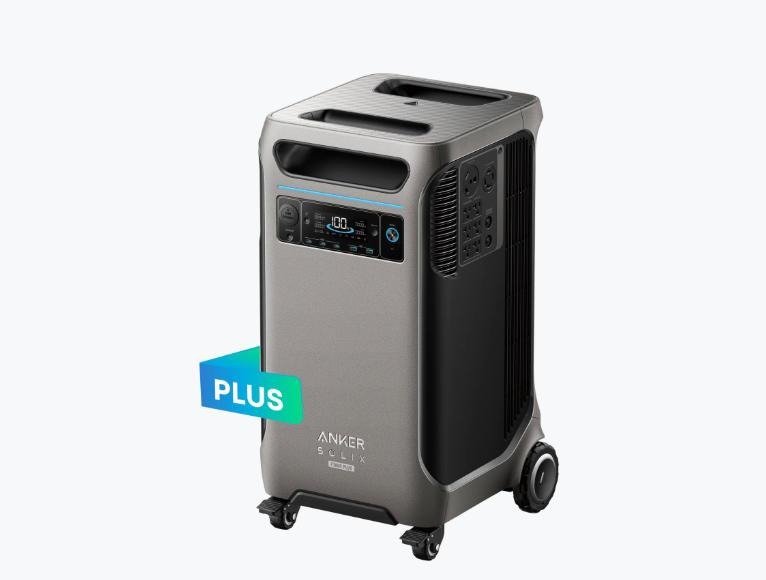

Continuous load demand is one of the most important measures of real-world performance for any power station. While short bursts of output can power brief surges, the true test lies in maintaining a steady supply for hours or even days. From refrigerators and routers to heaters, lighting, and essential medical devices, many appliances require uninterrupted energy that does not fluctuate or fail under pressure. A well-engineered power station must balance battery capacity, inverter stability, and intelligent power distribution to meet these needs. This is why modern units, especially advanced models such as the Anker SOLIX F3800 Plus Portable Power Station, are designed around long-duration reliability rather than short bursts of power. Understanding how these systems maintain consistent energy delivery helps users choose the right solution for home backup, RV trips, outdoor work, and off-grid living.
How a Power Station Maintains Stable Output Under Constant Demand?
Load Distribution Ensures Each Appliance Receives Steady Power
Continuous demand requires a power station to deliver electricity without overheating, dropping voltage, or introducing inconsistent output. The internal inverter plays the central role here. It converts stored battery energy into clean AC power, matching the voltage and frequency that household appliances expect. A strong inverter maintains performance even when multiple devices run at once, balancing total wattage to prevent overload. High-capacity models support both 120V and 240V output, making them suitable for diverse loads such as fridges, microwaves, and central AC systems. In real use, this means a user can run essential appliances smoothly for long periods without sudden shutdowns. The F3800 Plus supports dual-voltage output, allowing it to manage both everyday devices and more demanding systems as part of a stable, continuous power setup.
Energy Management Systems Regulate Charge and Discharge Cycles
Behind the scenes, an energy management system coordinates how a power station handles long-duration output. The system monitors battery temperature, discharge speed, and overall health to ensure the unit operates efficiently. This oversight allows the station to deliver continuous power without draining the batteries too quickly or causing avoidable wear. Intelligent management also allows users to see real-time consumption and adjust loads if needed. This capability is especially useful when operating in off-grid environments where every watt matters. Through mobile app control, users can track discharge rates or activate features that extend run time. The F3800 Plus includes remote monitoring to help users stay aware of how continuous loads impact their system throughout the day.
Multiple Charging Pathways Keep Power Supply Consistent
A continuous load becomes more manageable when the power station can recharge while in use. Solar input, generator power, and AC charging each play a role in keeping energy available over long periods. For example, when solar panels supply energy during daylight hours, the station offsets the load or replenishes the internal battery. Even partial sunlight can reduce depletion, extending runtime significantly. During outages, bypass charging from a 240V wall outlet or a compatible generator can maintain energy reserves. A station such as the F3800 Plus supports several recharging options, allowing users to sustain continuous loads during storms, travel, or off-grid operation. This multi-path approach reduces downtime and ensures that heavy or constant loads remain fully supported.
See also: Future of Global Tech Delivery Software Development Company Models
How Long-Duration Reliability Changes Real-World Use Cases?
Household Power Stability Enhances Backup Planning
For many households, continuous load support determines whether a power station can function as a real backup—not just a convenience. Essential home devices, including freezers, sump pumps, medical equipment, and communication tools, must remain active around the clock during outages. A power station that manages these loads reliably gives users peace of mind and reduces dependence on fuel generators. High-output models with dual-voltage capabilities offer flexibility to power larger appliances when needed. When paired with solar input, users gain prolonged resilience that extends beyond short-term emergencies. This capability transforms a solar-supported setup into a dependable home backup plan with minimal intervention.
RV and Mobile Life Rely on Consistent Output
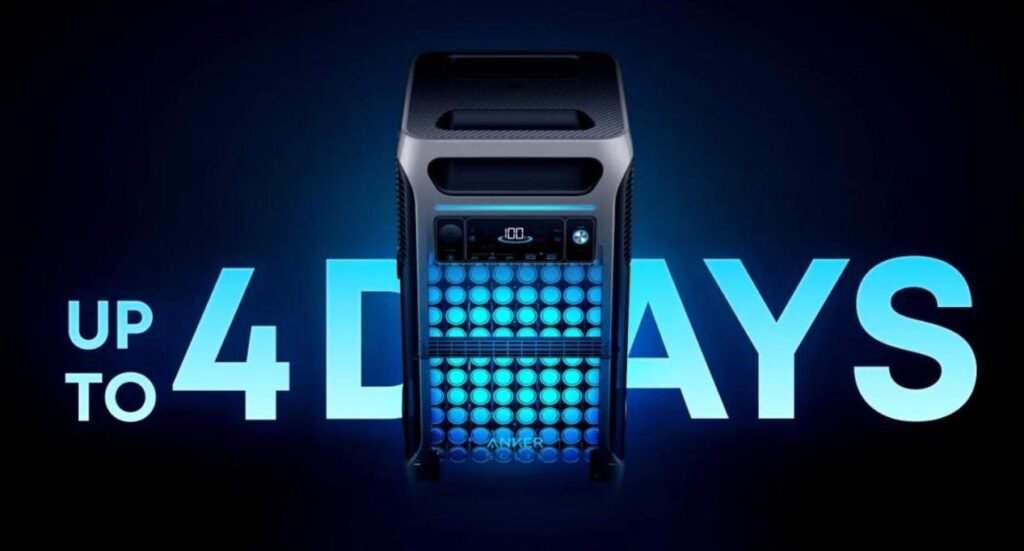
RV users depend on continuous power for climate control, refrigeration, ventilation, and daily living. A station that maintains steady performance across varying temperatures and altitudes becomes indispensable. Unlike generators, which require fuel and produce noise, a silent inverter-based system offers clean, predictable output. Continuous load performance ensures that energy-intensive devices, such as induction cooktops or air conditioners, can operate without interruption. Many users choose to integrate stations into their onboard systems for seamless charging and power distribution. The ability of the Anker SOLIX F3800 Plus Portable Power Station to handle extended demand while supporting EV/RV charging ports makes it well-suited for long-distance or off-grid travel.
Off-Grid Projects Benefit from Sustained Power Delivery
Construction sites, remote cabins, research locations, and outdoor events frequently require power for tools, lighting, and communication devices over extended hours. A power station steps into this role by delivering predictable output without relying on fuel storage or grid access. The ability to support continuous loads allows users to operate equipment safely and consistently throughout a workday. For off-grid cabins, a station paired with solar panels offers a near-self-sustaining energy loop, especially when expanded with additional battery modules. This scalability helps users tailor energy capacity to their exact needs while maintaining stability under long-running tasks.
Conclusion
Continuous load performance determines whether a power station can support real-life energy demands rather than short-term needs. A well-designed unit balances inverter strength, battery management, and intelligent power routing to maintain stable output around the clock. When supported by flexible charging pathways such as solar, AC, or generators, the station becomes a dependable and versatile power source for homes, travel, or remote work. Models like the best portable power station strengthen this capability by offering high output, smart monitoring, and strong multi-day potential. By understanding how continuous load handling works, users can choose a system that delivers consistent, long-duration power for essential appliances and demanding environments alike.