Water damage can happen suddenly and leave homeowners scrambling to figure out the next steps. Whether caused by a burst pipe, appliance failure, roof leak, or heavy rainfall, water intrusion can spread quickly throughout a property. Even a small amount of water can cause serious structural issues if it seeps into walls, flooring, and insulation.
While the immediate priority is stopping the source of the water, the real challenge often begins afterward. Proper cleanup and restoration are essential to prevent long-term damage, mold growth, and costly repairs. Understanding how restoration works can help property owners respond more confidently and protect their homes from lasting harm.
Why Water Damage Is More Serious Than It Looks
Water rarely stays in one place. Once it enters a home, it can travel through building materials and hidden spaces, affecting areas far beyond the original source.
For example, water can:
- Soak into drywall and weaken structural integrity
- Spread beneath flooring and damage subfloors
- Saturate insulation and reduce its effectiveness
- Corrode electrical systems
- Create conditions for mold growth within 24–48 hours
Because much of this damage happens behind walls or under surfaces, the problem often grows before homeowners realize its full extent.
This is why addressing water damage quickly is one of the most important steps in protecting a property.
Common Sources of Residential Water Damage
Water damage can occur for many reasons, and often when homeowners least expect it. Some of the most common causes include plumbing issues, appliance failures, and weather-related incidents.
Plumbing Leaks
Leaking pipes or pipe bursts can release large amounts of water into walls, ceilings, and floors. Aging plumbing systems and pressure fluctuations are common triggers.
Appliancage
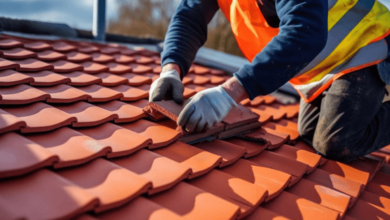
Damaged shingles, clogged gutters, or faulty flashing can allow rainwater to seep into attics and ceilings, gradually weakening structural materials.
Storm and Flood Damage
Heavy rain or flooding can push water into homes through doors, windows, or foundations, particularly in areas with poor drainage.
Sewer Backups
A sewer backup introduces contaminated water into the home and requires professional cleanup procedures to safely remove harmful materials.
Regardless of the cause, immediate response is critical for limiting damage.
The Importance of Acting Quickly
Time is one of the most important factors in water damage restoration. The longer moisture remains inside a structure, the greater the risk of permanent damage.
Prompt action can help:
- Prevent mold development
- Reduce structural weakening
- Save flooring, drywall, and insulation
- Lower overall repair costs
- Shorten the restoration timeline
Professional restoration teams use specialized equipment to remove water quickly and dry affected areas thoroughly.
For homeowners dealing with serious water intrusion, services that help restore water-damaged property in Los Angeles can provide the expertise and equipment needed to address the issue effectively.
See also: How Businesses Can Hire Skilled Web Developers Online Efficiently
The Professional Water Damage Restoration Process
Every water damage situation is unique, but most restoration projects follow a structured process designed to stabilize the property and repair damaged areas.
1. Damage Inspection and Assessment
Restoration professionals begin by evaluating the extent of the damage. Moisture detection tools, thermal imaging cameras, and humidity meters help locate water trapped inside walls or flooring.
2. Water Removal
Standing water is extracted using industrial pumps and vacuums. The faster water is removed, the less damage materials are likely to suffer.
3. Structural Dryinitization
Water damage often introduces bacteria, debris, and unpleasant odors. Cleaning and disinfecting surfaces ensures the home is safe and hygienic again.
5. Repairs and Reconstruction
Once drying is complete, damaged materials may be repaired or replaced. This stage may involve installing new drywall, repairing flooring, repainting walls, or addressing structural components.
The goal is to return the home to a safe and comfortable condition while preventing future problems.
Signs of Hidden Water Damage
Sometimes water damage develops slowly and isn’t immediately noticeable. Homeowners should be aware of warning signs that indicate moisture may be present inside the structure.
Common indicators include:
- Musty or damp odors
- Stains or discoloration on walls or ceilings
- Warped flooring or loose tiles
- Peeling paint or bubbling drywall
- Persistent humidity inside the home
If these signs appear, it’s important to investigate the source before the issue worsens.
Preventative Steps Homeowners Can Take
Although some water damage events are unavoidable, homeowners can take several steps to reduce their risk.
Regular maintenance plays a major role in preventing unexpected problems.
Helpful prevention strategies include:
- Inspecting plumbing connections regularly
- Replacing aging appliance hoses
- Cleaning gutters and downspouts
- Monitoring water pressure levels
- Checking roofs for damaged shingles
- Installing leak detection devices
Small preventative actions can often stop minor issues before they escalate into major restoration projects.
Moving Forward After Water Damage
Recovering from water damage can feel overwhelming, but the right response can make a significant difference in the outcome. Acting quickly, identifying the source of the problem, and ensuring proper drying and repairs are all essential steps in protecting a home.
Professional restoration services play a key role in this process by using specialized tools and expertise to remove moisture, repair structural damage, and restore safe living conditions.
For homeowners, understanding the restoration process not only helps reduce stress during emergencies but also ensures that their property is protected from long-term damage.