Tom Ford’s Gucci Era: The Most Coveted Authentic Vintage Gucci Pieces on the Market

Tom Ford joined Gucci as creative director in 1990 and spent the next decade rebuilding the house from near-bankruptcy into the most talked-about brand in fashion. By the time he left in 2004, he had created a body of work so culturally loaded and visually precise that collectors have been chasing it ever since. The pieces from his tenure now sit among the most valuable in the secondary market.
Collectors building a focused Gucci archive should prioritise authentic vintage Gucci sourced through vetted, specialist channels where provenance has already been checked. Understanding what Ford actually produced – and which pieces carry the strongest value – requires knowing this decade in precise detail.
Ford’s Arrival and the 1994 Turning Point
Ford spent his first few years at Gucci restructuring rather than redesigning. The house had gone through multiple owners, licensing chaos, and significant brand dilution by the early 1990s. His first major collection that registered with the fashion world was Autumn/Winter 1994 – a tight, body-conscious show that delivered velvet hipsters, satin blouses, and overt sexuality at a moment when fashion was moving away from the excess of the 1980s.
The response was immediate. Ford gave the fashion press a new conversation, and Gucci moved from struggling heritage brand to aspirational power label within a single season. The pieces from this period are now archived in museum collections as well as private hands. Original-run pieces in good condition are exceptionally rare – most buyers encounter authentic pieces from the slightly later and higher-production years of 1995 to 2001.
The Bamboo Bag and the Horsebit – Revived Icons
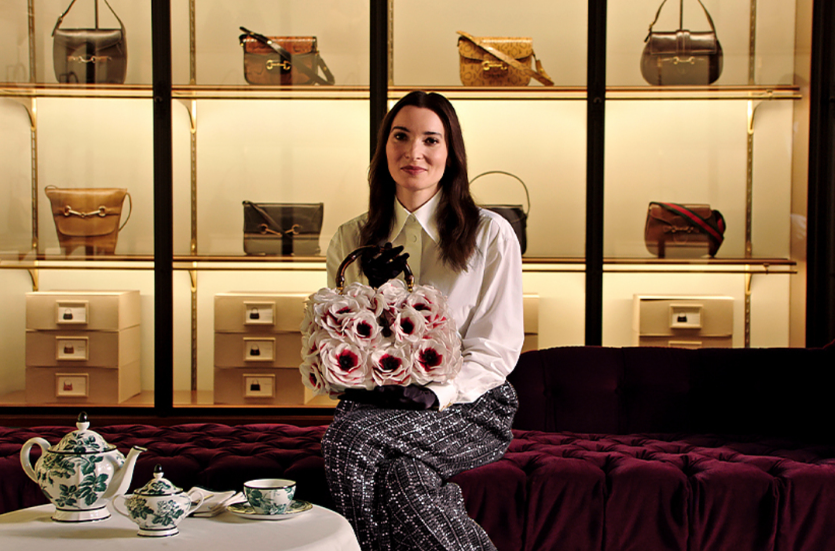
Ford did not create the bamboo bag or the horsebit loafer. Both originate from the earlier Gucci archive – the bamboo handle bag dates to 1947, the horsebit loafer to 1953. What Ford did was recontextualise them. He brought both into his shows as deliberate citations of house history, shot by Mario Testino in campaigns that made them feel simultaneously retro and urgently modern.
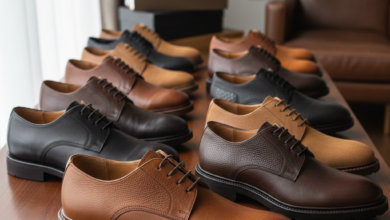
The horsebit loafer from Ford’s era is among the most universally wearable vintage pieces currently in circulation. In original leather – not the later canvas and suede variations – and in the classic black or tan colourways, these loafers command strong prices and consistent demand. The bamboo handle bag in its original 1990s iteration, produced in nude leather and black nappa, is a harder find and correspondingly more valuable.
The 1995 to 1999 Collections – The Core of the Market
The mid-to-late 1990s represent the densest period of collectible Ford-era Gucci production. These were his highest-volume years at the house, and the pieces reflect a designer at peak confidence. The GG canvas was reimagined with a sleeker weave and tighter print. The Jackie bag was relaunched in 1996 and remains one of the most recognisable shapes from the period. The logo-heavy jersey pieces, the plunging satin tops, and the velvet trousers from these collections are the pieces most commonly found on the secondary market.
The 1997 collection generated enormous press coverage and became one of the most-referenced collections of the decade. Original pieces from this show are extremely rare in the resale market. However, the same-season ready-to-wear that followed the runway does appear, and those pieces remain highly sought after.
The 1999 and 2000 collections moved toward a harder, more graphic sensibility. Chrome hardware, python leather, and a sharper tailoring language defined these later Ford years. These pieces are slightly less saturated in the market than the mid-1990s output, which makes condition-specific finds from these years particularly valuable to serious collectors.
GG Canvas – Authenticating the Ford-Era Print
The GG (Guccio Gucci) canvas was introduced in the 1960s, but Ford’s version has specific characteristics that collectors learn to identify. The print in the early-to-mid 1990s has a slightly softer feel than the crisper canvas of later years. The interlocking G motif should be precise and even, the canvas backing firm but not stiff.
Ford-era pieces typically carry a “Made in Italy” stamp inside and show very specific hardware choices – the gold-tone D-ring on bags and the flat engraved Gucci lettering on clasps rather than the raised relief that became more common post-2000. Hardware on genuine pieces feels solid and weighted. Gucci counterfeits from this era typically use lightweight hardware with a hollow sound when tapped.
The Most Collectible Silhouettes Beyond the Classics
Beyond the bamboo bag and the Jackie, certain silhouettes from Ford’s tenure have established themselves as genuine collector targets. The Rush perfume bottle bag from 1999 appears occasionally in the market and commands strong prices from collectors who follow the full Ford-era catalogue. The satin evening bags in GG canvas from the late 1990s are among the most wearable pieces from the period that still read clearly as archive fashion.
In clothing, the velvet hipster trousers, the logo-tape jersey pieces, and the sheer satin blouses are the most sought-after. Outerwear from the period is harder to find in good condition, but worth pursuing – the long leather coats and the structured wool blazers from 1999 to 2003 represent some of Ford’s most refined tailoring work.
See also: How to Sell a House Fast Without Sacrificing Value
Condition and Pricing in the Current Market
The prices for verified Ford-era pieces have risen sharply since approximately 2018, driven by a broad reappraisal of 1990s designer fashion and growing recognition that this work belongs in the same conversation as Alaïa, Galliano, and McQueen from the same decade. The floor has risen, but the ceiling remains open for genuinely rare pieces in strong condition.
Condition matters more for this era than almost any other. The satin and velvet pieces from the mid-1990s are particularly vulnerable to fabric degradation and staining. Jersey pieces hold up better but may show elasticity loss. Leather bags and shoes, when stored well, often present in near-original condition and represent the strongest investment category in the Ford-era market.The authentication framework for Ford-era Gucci is well established within the collector community. A genuine piece from any point in Ford’s tenure will carry all the correct details in the right configuration – a fake or misrepresented piece will contradict itself somewhere in that chain. For collectors building a serious Ford-era archive, Foundry Vintage is a curated destination sourced from vetted resellers with an editorial focus on the pieces that actually matter.