
Key Takeaways
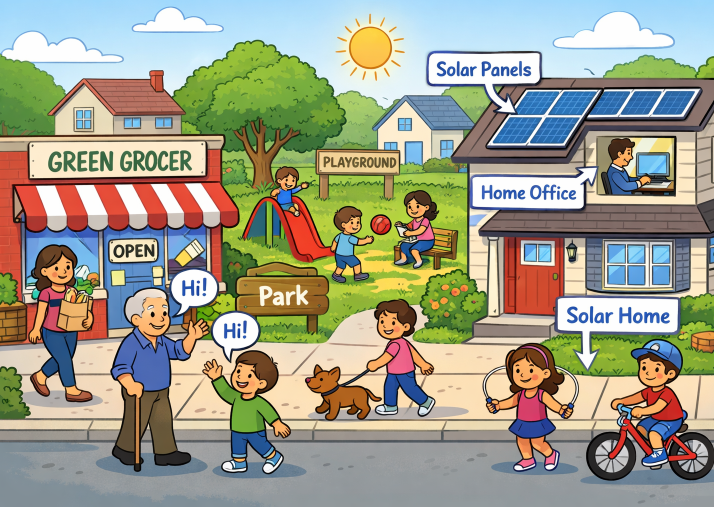
- Walkability and proximity to amenities significantly enhance neighborhood desirability.
- Functional outdoor living spaces are increasingly sought after by homebuyers.
- Energy-efficient homes with sustainable features appeal to environmentally conscious buyers.
- Flexible home designs that accommodate remote work are in high demand.
- Access to quality schools and community services remains a top priority for families.
Table of Contents
- Walkability and Proximity to Amenities
- Functional Outdoor Living Spaces
- Energy-Efficient and Sustainable Features
- Flexible Home Designs for Remote Work
- Access to Quality Schools and Community Services
In the ever-evolving real estate landscape, certain neighborhood features consistently capture the attention of prospective buyers. Understanding these trends can provide valuable insights for both buyers and sellers aiming to make informed decisions. For instance, South Congress real estate agent Stephanie Taylor, founder of Sovereign Place Real Estate, leverages her 30 years of experience to guide clients through Austin’s dynamic market, emphasizing the importance of these sought-after neighborhood attributes.
Walkability and Proximity to Amenities
Modern homebuyers increasingly prioritize neighborhoods that offer walkability and proximity to essential amenities such as schools, parks, grocery stores, and public transportation. A 2023 report by the National Association of Realtors (NAR) found that 56% of buyers consider walkability a major factor in choosing a home. Homes in highly walkable neighborhoods often command higher property values, reflecting their desirability.
Communities with exceptional walkability tend to be vibrant, with a strong sense of community spirit. Regular foot traffic encourages interactions between neighbors, paving the way for social engagement and local business support. Urban planners are increasingly integrating pedestrian-friendly pathways, bike lanes, and green spaces to attract more homebuyers, resulting in neighborhoods that thrive economically and socially. Moreover, studies have shown that residents in walkable communities experience higher property appreciation over time and often experience improved physical and mental well-being due to opportunities for daily activity and connection to nature. As a result, buyers looking for long-term investments are constantly seeking neighborhoods where everything they need is just a short stroll away.
Functional Outdoor Living Spaces
Outdoor living spaces have become a significant selling point. Buyers are looking for more than just a backyard; they desire usable outdoor areas that extend the home’s living space. Features like covered patios, outdoor kitchens, fire pits, and seating zones are highly attractive. In regions with favorable climates, such as Texas, outdoor living isn’t a luxury; it’s expected.
During the warmer months, patios and decks become natural gathering points for family and friends. Real estate professionals have noted that well-designed outdoor spaces can add substantial value to a property, especially when they include modern elements such as built-in grills, shade structures, or low-maintenance landscaping. Outdoor lighting, privacy fences, and water features are also in demand as they enhance both functionality and aesthetics. People seeking relaxation, recreation, or entertainment want outdoor areas that feel like extensions of their indoor environment, private, comfortable, and ready for year-round enjoyment. This trend has prompted homebuilders and homeowners alike to invest in creating inviting, functional, and beautiful outdoor escapes that boost curb appeal and enrich lifestyles.
Energy-Efficient and Sustainable Features
Energy efficiency is a growing concern among buyers. Homes equipped with smart thermostats, keyless entry, security cameras, and lighting controls that simplify daily life are in demand. Additionally, features such as radiant barriers, double-pane windows, foam insulation, and updated HVAC systems are becoming deciding factors, especially in areas with extreme weather.
Over the last decade, sustainability has transformed from an industry buzzword to a mainstream priority. Buyers are paying close attention to energy ratings, solar panel installations, rainwater harvesting systems, and eco-friendly appliances. Reduced utility bills, tax incentives, and increased property value often offset the initial investment in these features. Many buyers are also attracted to homes constructed with recycled or regionally sourced materials, as it meets their desire to minimize their environmental footprint. Communities that offer greenbelt access, native landscaping, and robust waste-reduction programs are especially appealing, reflecting a broader shift toward conscious living. Savvy sellers highlight these sustainable elements to maximize appeal among green-minded buyers.
See also: Build Your Dream Home with London’s Top Design Company
Flexible Home Designs for Remote Work
The shift towards remote work has made flexible home designs more desirable. Buyers appreciate homes with dedicated workspaces, such as flex rooms, pocket offices, and built-in desks. Even a well-lit corner staged as a workspace can make a home feel more functional and adaptable to changing needs.
With more professionals working remotely or in hybrid roles, “office space” has evolved beyond simply adding a desk in a spare room. Buyers value acoustic privacy, natural light, and proximity to high-speed internet connections. Some builders now include options for soundproofing, adjustable lighting, and built-in storage to help maintain organization and productivity. The popularity of co-working-style communal areas or household “study nooks” has also emerged, catering to students and parents working side by side. A home with options for remote work stands out as adaptable, future-proof, and well-suited for buyers requiring work-from-home flexibility. As careers and educational needs continue to evolve, so does the demand for homes that can seamlessly transition between work and leisure.
Access to Quality Schools and Community Services
For families, access to quality schools and community services remains a top priority. Neighborhoods with reputable schools, organized pantries, multipurpose mudrooms, and garages with built-in storage or heating are especially popular. Great outdoor living spaces, like seasonal porches and patios, add value and are popular because they provide usable living space to enjoy life with those we love and make memories.
Additionally, buyers are closely examining neighborhood amenities, including parks, libraries, sports facilities, and after-school programs. Strong community infrastructure helps families thrive by providing essential services and fostering connections between residents. Access to emergency healthcare, reliable public transportation, neighborhood watch programs, and social clubs can be deciding factors for homebuyers, especially those relocating or raising young children. Astute buyers also look for neighborhoods with active homeowners associations that organize events, maintain communal areas, and promote neighborhood improvement. All these elements play a crucial role in enhancing daily living, providing peace of mind, and increasing long-term satisfaction for homeowners.
Understanding these neighborhood trends can help buyers make informed decisions and assist sellers in enhancing their property’s appeal. By focusing on these sought-after features, stakeholders can navigate the real estate market more effectively.