
Oral surgery and dental implants often stir up fear, confusion, and shame. You might worry about pain. You might fear losing control. You might even think you do not deserve care unless your teeth are “perfect.” These thoughts are common. They are also wrong. This blog clears up three common myths that keep people from getting help. You will see how modern oral surgery protects your health. You will learn why implants can feel stable and look natural. You will also understand what to expect before, during, and after treatment. If you search for an Oral Surgeon for Bernards NJ, you may already feel stuck or embarrassed. You are not alone. You deserve clear facts, kind care, and honest answers. Start by letting go of old stories about pain, judgment, and cost. Then you can make a calm, informed choice about your mouth and your future.
Myth 1: “Oral surgery always hurts”
Pain is the first fear for most people. You might picture sharp tools and long recovery. That picture does not match modern care.
Today you receive strong numbing medicine in the mouth. You may also receive medicine that helps you relax. During surgery you feel pressure. You should not feel sharp pain. If you do, the surgeon adjusts the medicine.
After surgery, you manage pain in three simple ways.
- Use ice packs as directed.
- Take pain medicine on schedule.
- Rest and avoid hard food.
Most people describe soreness, not severe pain. Many return to school or work in a few days.
If you fear pain, say so. A good surgeon listens, explains each step, and checks often. Clear talk lowers fear. Good planning lowers pain.
Myth 2: “Dental implants look fake and feel weak”
Many people think implants feel loose or look strange. That belief often comes from old stories about dentures.
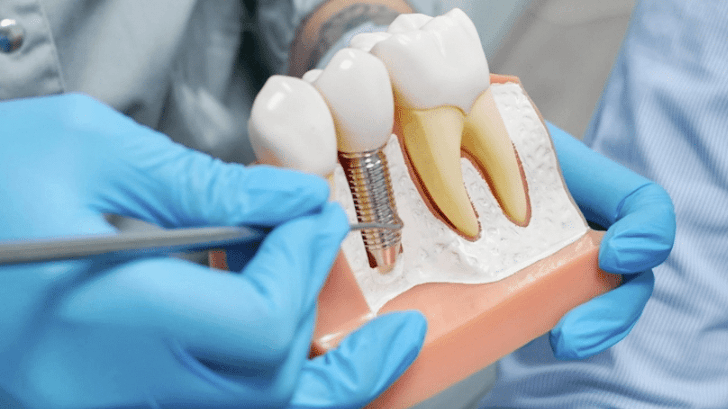
A dental implant has three parts. First is a small post in the jaw. Next is a connector. Last is the crown that looks like a tooth. The jaw bone grows around the post. This creates strong support for chewing and speaking.
Here is a simple comparison.
| Option | Stability when chewing | Effect on nearby teeth | Helps prevent jaw bone loss | Usual daily care |
|---|---|---|---|---|
| Single dental implant | High | No grinding of nearby teeth | Yes | Brush and floss like a tooth |
| Traditional bridge | Medium | Often needs grinding of nearby teeth | No | Brush plus extra cleaning under bridge |
| Removable partial denture | Low to medium | Clips to nearby teeth | No | Remove and clean daily |
Implants do not slip. You can laugh and talk without worry. The crown is made to match the color and shape of your other teeth. Most people say they forget which tooth is the implant.
The American Dental Association explains that implants can last many years when you keep up with brushing, flossing, and checkups.
see also: Effective Wholesale Sourcing Strategies for Small Businesses
Myth 3: “Oral surgery is only about teeth”
Oral surgery is not only about teeth. It also protects your whole body.
Infected teeth and gums can strain your heart, lungs, and blood sugar. The Centers for Disease Control and Prevention warns that poor mouth health links to heart disease and diabetes. Treating tooth infections lowers that strain.
Oral surgery can remove infected teeth, drain abscesses, and clear deep infections. This reduces swelling and fever. It also protects nearby teeth and bone.
Here are three ways oral surgery supports overall health.
- It removes infection that can spread through the blood.
- It restores chewing so you can eat healthy food.
- It reduces daily pain, which improves sleep and mood.
Missing teeth also change your jaw and face shape over time. Bone shrinks when it has no tooth root or implant. This can cause sagging cheeks and lips. Implants help keep bone in use. That support helps keep your face shape steady.
What you can expect before, during, and after
Clear steps help you feel calmer.
Before surgery you will
- Share your health history and medicines.
- Receive a mouth exam and images such as X-rays.
- Review choices for numbing and relaxation.
During surgery you can expect
- Numbing of the mouth.
- Pressure and movement, not sharp pain.
- Steady updates from the care team.
After surgery you will
- Receive clear written instructions.
- Use ice, gauze, and medicine as directed.
- Return for follow-up visits to check healing.
These steps are planned in advance. There are no surprises. That planning helps you feel in control.
How to talk with your surgeon
You have the right to honest talk. You can ask hard questions. You can expect straight answers.
Use three simple questions during your visit.
- What happens if I do nothing right now?
- What are my choices, and what are the risks of each one?
- What will I feel today, this week, and three months from now?
Bring a written list of your fears. Hand it to the surgeon at the start. This keeps the talk focused on what matters to you.
Moving past myths
Fear, shame, and old stories keep many people silent. You deserve relief. You deserve a mouth that works for eating, speaking, and smiling.
When you learn the truth about pain control, implant strength, and whole body health, you gain power. That knowledge lets you choose care on your terms.
If you are still unsure, start small. Schedule a consult. Ask your three questions. Then decide. You do not need to stay stuck. You can protect your health and your future, one clear step at a time.