
Metal components are used in almost every major manufacturing industry. Automotive systems, electronics, appliances, machinery, construction equipment, and many other products depend on accurately formed metal parts.
Metal stamping provides an efficient way to manufacture these components, particularly when a project requires repeatable shapes and consistent production.
Businesses looking for custom components may work with a metal stamping parts manufacturer to transform engineering drawings and specifications into finished parts.
What Are Stamped Metal Parts?
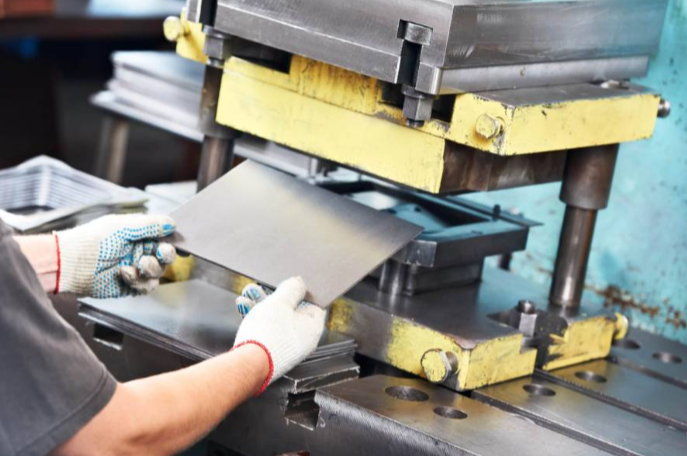
Stamped metal parts are components produced by pressing sheet or strip metal against a die or tooling system.
The process can create holes, bends, curves, shapes, and other features depending on the tooling design.
Stamped parts can range from simple brackets and clips to more complex components used in industrial equipment.
Common Stamping Processes
Several processes can be used during metal stamping.
Blanking cuts a specific shape from sheet material. Punching creates holes or openings. Bending changes the angle of a component, while forming creates more complex shapes.
Deep drawing may also be used when a flat sheet needs to be transformed into a deeper three-dimensional component.
The appropriate process depends on the design.
Material Selection
Metal selection should be based on the component’s final application.
Steel can provide strength, while stainless steel may be selected where corrosion resistance is important. Aluminum is lightweight, while copper and brass can be useful for certain electrical or mechanical applications.
The thickness and characteristics of the material also affect how it can be stamped.
Importance of Tooling
Tooling determines how the raw material will be transformed into the required part.
Engineers need to consider material thickness, bend allowances, tolerances, production volume, and the sequence of operations.
High-quality tooling can improve consistency and reduce manufacturing issues.
Production Consistency
One of the main benefits of stamping is repeatability.
Once the process has been properly established, large quantities of similar components can be manufactured using the same tooling and production parameters.
Consistent production is particularly important when stamped components need to fit into larger assemblies.
Precision and Tolerances
Different components require different levels of dimensional accuracy.
Some parts may have relatively simple requirements, while others need tighter tolerances because they interact with precision assemblies.
A capable metal stamping parts manufacturer should have suitable measurement and inspection processes to verify important dimensions.
Surface Treatment
Some stamped components require additional finishing after production.
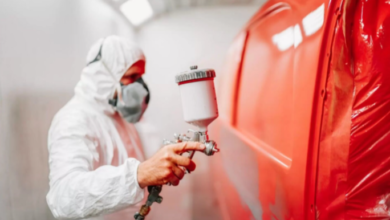
Depending on the application, parts may be plated, painted, coated, polished, cleaned, or treated to improve corrosion resistance or appearance.
The appropriate treatment depends on the material and final use.
Deburring
Stamping can sometimes create edges or small burrs.
Depending on the component, deburring may be required before the part is assembled or handled.
Suppliers can use different methods to remove unwanted material and prepare the component for subsequent manufacturing stages.
Custom Manufacturing
Many businesses need components that are not available as standard products.
Custom stamping allows manufacturers to produce parts according to customer drawings and specifications.
The customer may provide CAD files, technical drawings, material requirements, dimensions, tolerances, and production quantities.
Quality Control
Quality control helps ensure that finished parts meet the required specifications.
Inspection may occur during tooling development, initial production, and ongoing manufacturing.
For demanding applications, businesses may also require documentation related to material certification or inspection results.
Production Volume
The number of parts required can influence manufacturing decisions.
Large orders may benefit from dedicated tooling and automated production. Smaller projects may require a different approach.
An experienced manufacturer can evaluate the part design and expected volume to determine an appropriate production method.
Communication With the Manufacturer
Clear communication reduces the risk of misunderstandings.
Before requesting production, businesses should provide complete technical information. Changes to dimensions, materials, tolerances, or quantities should also be communicated before manufacturing begins.
Choosing a Manufacturing Partner
When selecting a metal stamping parts manufacturer, businesses should consider production equipment, engineering capabilities, tooling experience, quality control, material knowledge, lead times, and customer support.
A supplier with experience in the relevant industry may also understand common technical challenges.
Final Thoughts
Metal stamping is a versatile manufacturing method capable of producing components for a wide range of industries.
Successful production depends on accurate designs, suitable materials, reliable tooling, appropriate equipment, and effective quality control.
For businesses that require custom components, partnering with an experienced metal stamping parts manufacturer can provide a practical path from engineering design to finished metal parts.