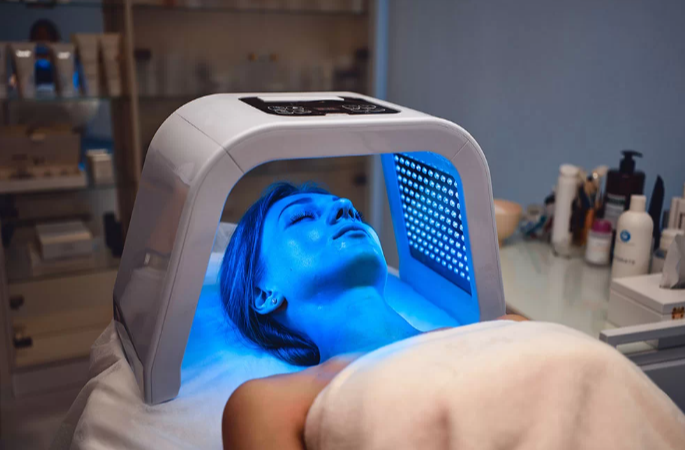

Technology continues to play an important role in the beauty and aesthetic industry. As salons, skincare centers, and professional studios expand their service offerings, many businesses are looking for equipment that can support efficient and organized treatment routines. Light-based aesthetic equipment is one area that has received increasing attention because of its versatility and relatively straightforward operation.
A pdt machine is a type of light-based aesthetic equipment commonly found in professional skincare and beauty environments. Depending on the specific model, these systems may offer different light settings, treatment modes, controls, and configurations. Because products can vary considerably between manufacturers, it is important for business owners to understand what they are actually purchasing rather than choosing equipment based only on appearance or price.
What Is a PDT Machine?
PDT commonly refers to photodynamic therapy, although the exact functions and intended applications of equipment marketed under the PDT name can differ.
In the beauty and aesthetic equipment market, many machines use LED or other light sources as part of professional skincare routines. Different light settings may be associated with different aesthetic applications, and manufacturers may provide specific operating recommendations for their systems.
For a business owner, the most important point is to review the manufacturer’s specifications carefully. The term PDT can cover equipment with different designs and capabilities, so two machines carrying similar descriptions may not necessarily have identical features.
Consider the Type of Business
Before purchasing light-based aesthetic equipment, think about how it will fit into your existing business.
A small skincare studio may have different requirements from a larger aesthetic center. If only a limited number of staff members will operate the machine, a simple and easy-to-understand control system may be more practical.
Larger businesses may prefer equipment that can support a wider range of settings and allow multiple trained operators to use the system.
Consider your available treatment space as well. Some machines are compact and designed for easy placement, while others may require a dedicated area. Measuring the available space before ordering can prevent problems with installation and daily operation.
Review the Light Settings
One of the most important specifications to examine is the available light configuration.
Different machines can offer different wavelengths, colors, intensity settings, treatment times, or combinations of these features. The exact specifications depend on the equipment and manufacturer.
Instead of assuming that more light settings automatically make a machine better, consider whether the available settings are relevant to the services your business intends to provide.
It is also useful to check how the settings are selected. A clear digital interface can make it easier for trained operators to select the appropriate manufacturer-recommended configuration.
Look at the Overall Design
The physical design of the equipment matters because aesthetic machines are used repeatedly in professional environments.
Check the construction of the main unit, control panel, cables, connectors, stand, and light panel. Components should be suitable for regular professional operation and routine cleaning.
If the machine includes an adjustable arm or stand, examine how easily it can be positioned. Flexible positioning can make it easier for operators to organize the equipment within a treatment area.
The size of the light panel is another consideration. A larger panel may provide broader coverage, while a smaller system may be easier to store and move. The appropriate choice depends on the intended workflow.
Ease of Operation
A machine with advanced features is only useful if staff can operate it correctly.
Look for controls that are clear and easy to understand. Digital displays can make it easier to monitor settings such as operating time and intensity.
Before purchasing, ask whether the supplier provides an operating manual or training materials. If demonstrations or technical guidance are available, these can also help staff become familiar with the equipment.
Simple controls can be particularly valuable in busy environments where equipment needs to be prepared efficiently between appointments.
Consider Staff Training
Professional aesthetic equipment should be operated according to the manufacturer’s instructions.
Staff should understand the available controls, recommended operating procedures, cleaning requirements, and any precautions supplied with the equipment.
Training also helps create consistency between different operators. When employees follow the same documented procedures, businesses can maintain a more organized workflow.
It is important not to rely solely on informal instructions. Keep the manufacturer’s documentation accessible so operators can refer back to it when necessary.
Cleaning and Maintenance
Regular cleaning and maintenance should be part of the equipment’s normal operating routine.
The surfaces and components used during professional services should be cleaned according to the manufacturer’s recommendations. The machine should also be stored in an appropriate environment and protected from unnecessary moisture, dust, or physical damage.
Ask the supplier which components require regular inspection and whether any parts need periodic replacement.
Maintenance requirements can vary from one model to another, so reviewing these details before purchase can help a business understand the long-term responsibilities associated with the equipment.
Check Warranty and After-Sales Support
A warranty can provide useful protection when purchasing professional equipment, but businesses should understand exactly what the warranty covers.
Ask the supplier about the warranty period, covered components, repair procedures, and technical support. It is also worth finding out whether replacement parts are readily available.
After-sales support can become especially important if the equipment is used frequently. A supplier that offers clear technical assistance and replacement-part availability can make equipment ownership easier to manage.
Don’t hesitate to ask questions before placing an order. A professional supplier should be able to provide clear information about the product and its operating requirements.
Compare Different Models
It is usually better to compare several machines before making a final decision.
Create a simple checklist containing the features that matter most to your business. This could include:
- Light configuration
- Available operating modes
- Adjustable settings
- Control interface
- Machine dimensions
- Stand or mounting system
- Included accessories
- Power requirements
- Warranty
- Replacement parts
- Technical support
Once the information is organized, it becomes easier to identify which models actually match your requirements.
Don’t Focus Only on Appearance
Aesthetic equipment is often designed to look modern and professional, but appearance should not be the main purchasing factor.
A machine may have an attractive housing and large digital display while lacking important practical features. Instead, focus on construction quality, specifications, usability, documentation, and supplier support.
Product photographs can also make machines look similar even when their internal specifications and included accessories are different.
Always request complete product information before making a decision.
Think About Space and Workflow
The equipment should fit naturally into the working environment.
Consider where the machine will be stored when it is not being used and where it will be positioned during a service. If the system has a movable stand, check whether there is enough room to adjust it comfortably.
Cable management should also be considered. Loose cables can make a treatment area look untidy and may interfere with normal movement.
A well-organized setup can make daily operations more efficient and help staff work comfortably.
Understand the Manufacturer’s Instructions
Every model has its own operating procedures, and these instructions should be followed carefully.
Manufacturers may provide information about recommended settings, cleaning, storage, maintenance, and equipment limitations. Operators should read the documentation before using a new machine.
If a supplier provides updated manuals or training information, keep those resources available for staff.
Businesses should also make sure that the equipment is appropriate for their local regulatory and professional requirements before putting it into commercial use.
Final Thoughts
Choosing the right light-based aesthetic equipment involves more than comparing product prices. Businesses should consider the machine’s specifications, design, controls, maintenance requirements, training needs, warranty, and supplier support.
A pdt machine may be a useful addition to a professional beauty or skincare environment when its features match the services and workflow of the business. However, different models can vary significantly, so buyers should review the manufacturer’s information carefully before purchasing.
Taking time to compare equipment and ask practical questions can help business owners make a more informed investment. With appropriate training, regular maintenance, and careful operation, professional aesthetic equipment can be incorporated into a well-organized service environment.