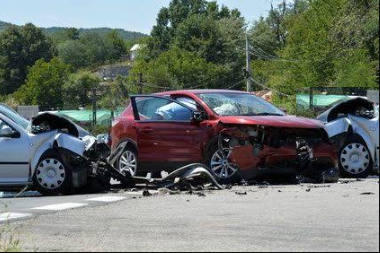

It happens in seconds, then the aftermath drags on for weeks or months. Your car is damaged, your body may be hurting, and the story at the scene keeps changing depending on who you ask. In a chain reaction crash, a car accident lawyer can help determine who may actually be responsible, since people often assume the last driver is always at fault, but that is not how liability works in every case. A multi car accident liability claim usually comes down to who acted carelessly, how the impact unfolded, and what evidence shows about each driver’s role.
You may already be dealing with insurance calls, missed work, medical appointments, and that sinking feeling that everyone is about to blame everyone else. That feeling is justified. A pileup can involve several drivers, several insurance policies, and conflicting accounts. The legal answer is usually tied to negligence, which means failing to use reasonable care. In plain terms, the person who caused the crash, or helped cause it, may be responsible for your losses.
Liability in a multi vehicle collision depends on each driver’s conduct
In many rear end chain reaction crashes, the trailing driver who failed to stop in time carries much of the blame. If one driver was speeding, following too closely, texting, or driving too fast for weather conditions, that conduct can make them liable for the damage that follows. If another driver made an unsafe lane change or stopped suddenly without reason, fault can shift or be shared.
A chain reaction crash fault case often turns on timing. One impact may trigger another, then another. The first collision might not be the only cause. Picture a highway slowdown where Driver A brakes safely, Driver B stops in time, Driver C slams into Driver B, and Driver D then crashes into the line because they were looking at a phone. Driver C and Driver D may both share liability, but not necessarily in equal parts.
That matters because insurance companies do not simply ask who was involved. They ask who caused what. They examine vehicle damage, skid marks, traffic camera footage, black box data, witness statements, and police reports. In a serious pileup, accident reconstruction may be needed to sort out the sequence.
Shared fault can reduce what you recover after a pileup
Some crashes are not clean cut. You may have been struck from behind, but the insurer argues you braked too hard, had broken brake lights, or were distracted before the first impact. That is where comparative negligence comes into play. In many states, fault is divided by percentage, and your compensation can be reduced by your share of the blame.
This is where people get trapped. You are injured, you assume the facts are obvious, and then an adjuster frames the crash in a way that protects the insurer’s bottom line. A statement taken too early can be used against you later. So can a gap in treatment, a vague answer about pain, or a photo that seems harmless but is taken out of context.
A personal injury lawyer looks at the full picture, not just the first version of events. That includes medical records, lost income, future care, property damage, and the way a pileup injury can disrupt daily life long after the cars are towed away.
Evidence often decides who pays in a multi car pileup
The strongest cases are built quickly. Photos of vehicle positions, damage patterns, debris, road conditions, and visible injuries can help show how the crash happened. Witness names matter because independent accounts often carry more weight than the drivers’ own stories. If police responded, get the report number and request a copy as soon as it is available.
Insurance issues add another layer. In larger crashes, policy limits can become a real problem, especially when multiple people are hurt. The Insurance Institute for Highway Safety provides helpful background on auto insurance and how coverage works in serious collisions. Even when fault seems clear, there may not be enough coverage from one driver to fully pay every claim.
That is one reason these cases often require a careful review of every available policy, including underinsured motorist coverage. Without that review, you may accept far less than the claim is worth.
Handling a pileup claim alone can cost you leverage
| Issue | Handling It Alone | Working With a Personal Injury Lawyer |
|---|---|---|
| Fault disputes | You rely on the police report and insurer interpretation | Additional evidence can be gathered to challenge blame shifting |
| Multiple insurers | You field separate calls and repeated questions | Communication is coordinated and documented |
| Injury valuation | Claims often focus on current bills only | Future treatment, wage loss, and pain are included |
| Policy limits | Hidden coverage can be missed | All available policies are reviewed for recovery |
| Recorded statements | One careless answer can weaken the claim | Statements are managed with strategy |
People often think a straightforward crash should stay straightforward. A pileup rarely does. Once several drivers and insurers are involved, even a clear rear end collision can turn into a fight over percentages of fault, medical proof, and who pays first.
Three steps to protect your claim after a chain reaction crash
Get medical care and follow through. Adrenaline hides pain. Neck, back, and head injuries often show up later. Prompt treatment protects your health and creates a record that connects your injuries to the crash.
Preserve every piece of evidence. Save photos, repair estimates, discharge papers, receipts, wage records, and all insurance messages. Write down what you remember before details fade. If there were witnesses, keep their contact information.
Speak carefully before giving statements or signing anything. Early settlement offers may come before the full extent of your injuries is known. If fault is disputed or several vehicles were involved, legal guidance can prevent a bad statement or a rushed release from undermining your case.
A clear legal strategy can bring order to a chaotic crash
If you are asking who is liable for a multi car pileup, the honest answer is that liability may rest with one driver, several drivers, or even include a share assigned to you. The facts matter, the evidence matters, and the timeline matters. You do not need to sort that out alone while trying to heal.
If a multi car pileup left you injured and unsure where fault falls, speak with a personal injury lawyer before the insurers lock in their version of the crash. The right help can protect your claim, your time, and your recovery.