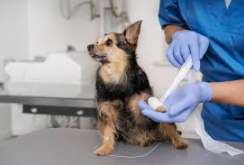

Your pet comes home from the full-service animal hospital in Corpus Christi with stitches, a shaved patch of skin, and a soft tube coming out near the wound. That can be upsetting to see. Many owners assume the surgery is over, so why is there still something draining fluid from the body? The short answer is simple. Some wounds heal better when trapped fluid has a way out.
Why some animal wounds need surgical drains during hospital recovery comes down to pressure, infection risk, and tissue healing. When fluid collects under the skin, it stretches the area, slows blood flow, and gives bacteria a place to grow. A drain helps remove that fluid so the wound can close from the inside out. In many cases, it is not a sign that something went wrong. It is a sign your veterinary team is trying to prevent complications before they start.
Surgical drains protect healing tissue after injury or surgery
Wounds do not all behave the same way. A small clean incision may only need stitches and rest. A bite wound, a large pocket under the skin, or an area with a lot of swelling can keep producing blood, serum, or infected material after surgery. If that fluid stays trapped, the skin may seal over the top while the deeper tissue remains wet and inflamed.
That is where a drain becomes useful. It creates an exit path for fluid that the body cannot clear fast enough on its own. In small animal care, drains are often used after abscess treatment, bite wound repair, removal of dead space under the skin, or procedures where contamination is a concern. The University of Illinois explains the use of drains in small animal patients in a way many pet owners find reassuring, because it shows that drains are a planned part of wound management, not a last minute guess.
You may also be dealing with the stress of aftercare at home. The tube leaks. The bandage shifts. Your pet wants to lick the site every ten seconds. That frustration is real. Drains help healing, but they also ask more of you for a few days. That tradeoff is often worth it because the alternative can be a swollen wound, a deeper infection, or another procedure to reopen and clean the area.
Fluid buildup can turn a manageable wound into a setback
A wound with dead space under the skin is a common problem. Dead space means there is a gap between tissues where fluid can pool. This can happen after trauma, after removal of a mass, or after cleaning out infected tissue. If that pocket fills, the skin may look puffy or feel squishy. Some pets become painful, feverish, or reluctant to move. Others seem fine until the incision suddenly starts leaking or opens.
This is one reason wound drains for pets are used even when a repair looks neat from the outside. The outside view does not always match what is happening underneath. Drains reduce tension and help the body seal layers back together. They also give the veterinary team a way to monitor what is coming out. Thin pink fluid may be expected early on. Thick yellow or foul smelling discharge tells a different story.
For larger or older wounds, chronic inflammation can delay healing for weeks. In those cases, proper drainage, cleaning, and removal of unhealthy tissue may all be part of the plan. The University of Minnesota’s overview of chronic wound management shows how moisture, contamination, and tissue damage interact over time. Even though that resource includes large animal care, the healing principles are familiar across species.
The benefits of surgical drains often outweigh the short term hassle
Owners usually notice the hassle first. Drains can stain bedding, need bandage changes, and require an e collar. Pets may need rechecks so the hospital can decide when the drain should come out. There is also cost, and that matters. A drain adds materials, nursing care, and follow up visits.
The benefit is that it can prevent a much larger bill and a harder recovery. A trapped infection may need sedation, repeat surgery, more antibiotics, and more days in the hospital. A drain does not guarantee a perfect outcome, but it lowers the chance that fluid will undo the repair.
| Situation | Without a Drain | With a Drain |
|---|---|---|
| Bite wound with deep pockets | Fluid and bacteria may stay trapped, raising the risk of abscess return | Ongoing drainage helps remove contamination and reduce pressure |
| Large area of dead space after surgery | Seroma can form, causing swelling and delayed healing | Fluid exits the body instead of collecting under the skin |
| Owner concern about appearance | Wound may look cleaner at first but worsen underneath | Tube looks alarming, but healing is often safer and more controlled |
| Short term care needs | Less daily cleanup at home | More monitoring, cleaning, and rechecks for several days |
| Risk of repeat treatment | Higher if fluid buildup leads to infection or wound breakdown | Often lower because fluid has a planned exit path |
Careful home monitoring supports better wound recovery in animals
Animal wound drainage after surgery should be watched closely, but you do not need to panic over every drop. Your job is to look for patterns. Is the amount decreasing. Is the skin becoming more red, more swollen, or more painful. Is your pet acting dull, refusing food, or trying nonstop to chew the area. Those changes matter more than the fact that a drain exists.
Most drains stay in place only a few days, depending on the wound and the amount of discharge. The site should stay as clean and dry as your veterinary team recommends. Do not trim or pull the tube. Do not stop an e collar because your pet seems calm for one evening. Many setbacks happen in a single unsupervised hour.
Three steps you can take right away
1. Follow the discharge instructions exactly. Give medications on schedule, keep the recheck appointment, and use the e collar full time if it was prescribed. Small lapses can lead to licking, swelling, and contamination.
2. Track the wound once or twice a day. Take a photo in good light, note the color and amount of drainage, and check for odor, heat, or sudden swelling. Photos help you spot change faster than memory does.
3. Call your animal hospital early if something shifts. Increased pain, fever, lethargy, thick discharge, a missing stitch, or a drain that slips out should be reported promptly. Early advice is easier and cheaper than emergency repair.
Seeing a drain on your pet can be hard, but it often means the wound is being managed with care, not left to chance. Healing is rarely pretty in the middle of it. It is often messy, slow, and a little unnerving. With good follow up and clear home care, many pets recover well and have fewer setbacks because that drain was used when it mattered most.