
Losing teeth changes more than your smile. Meals take longer, certain words feel harder to say, and you may catch yourself thinking about your teeth far more than you want to. If you are weighing dentures against implants, a Scarsdale dentist can help you compare your options without hype. You want something that works, fits your budget, and feels right for your life.
The short version is simple. Dentures usually cost less up front and can replace many or all missing teeth without surgery. Dental implants cost more, take longer, and involve a procedure, but they often feel more like natural teeth and help support jawbone health. The better choice depends on your mouth, your health, your budget, and how much maintenance you are willing to manage over time.
Dentures and dental implants solve the same problem in very different ways
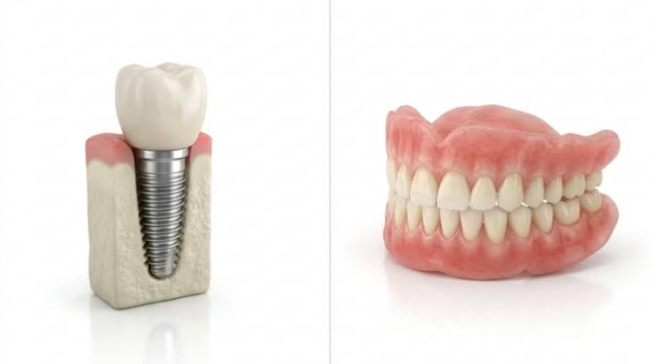
Dentures are removable replacements for missing teeth. They can replace a full arch or just a few teeth, and they rest on the gums. MedlinePlus offers a clear overview of how dentures work and what to expect, including the adjustment period many people go through.
Dental implants are small posts placed in the jawbone, where they act like artificial tooth roots. A crown, bridge, or implant supported denture attaches to them. The FDA explains what dental implants are and the risks and benefits to know, which matters if you are comparing convenience against surgery.
The hard part is not understanding the definitions. It is living with the tradeoffs. A lower upfront price can feel like relief until loose dentures make it hard to enjoy dinner out. A more stable option can sound ideal until you hear the cost of implants and realize treatment may take months. That tension is real, and it is why the right answer is personal, not automatic.
See also: Welding Solutions Troy, MI: Extend Tool Life With SurfAlloy Surface Treatments
The daily experience often decides more than the price tag
If your main goal is to replace missing teeth fast, dentures may be the practical answer. They can restore appearance and basic function without the healing time implants require. For someone who has lost many teeth and wants a non surgical path, that matters.
Daily wear can be frustrating, though. Dentures may shift, create sore spots, or need adhesive. Some foods become a project. Crunchy bread, steak, apples, and sticky foods can remind you that your bite is not what it used to be. If you already feel self conscious, that movement can wear on you.
Implants change that experience for many people. Because they anchor into the jaw, they tend to feel more secure when you chew and speak. They also help preserve bone in a way traditional dentures do not. The University of Rochester Medical Center describes why many patients choose dental implants and what the process involves, including the long term function people often value most.
That does not mean implants are easy for everyone. You need enough healthy bone, good oral hygiene, and the ability to heal well after surgery. Smoking, uncontrolled diabetes, gum disease, and certain medical conditions can affect success. Even when you are a good candidate, treatment can take several visits over several months. If you want one quick appointment and done, implants may test your patience.
Cost, comfort, and maintenance shape the best tooth replacement option
Money matters here because the upfront difference is often large. Dentures are usually less expensive at the start. Implants often cost more because they involve surgery, custom restoration work, and multiple appointments. Over time, dentures may need relines, repairs, or replacement as your mouth changes. Implants can also need maintenance, but they are generally built for longer term stability.
Comfort is less predictable than people think. Some people adapt to dentures well and are perfectly happy. Others never stop noticing them. Some people sail through implant treatment and wish they had done it sooner. Others decide surgery is not worth it for their stage of life. A skilled denture and implant dentist looks at more than your X rays. They look at your habits, expectations, and health history.
| Factor | Dentures | Dental Implants |
|---|---|---|
| Upfront cost | Usually lower | Usually higher |
| Procedure | Non surgical in most cases | Surgical placement required |
| Time to complete | Often faster | Often several months |
| Stability when eating and speaking | Can shift or loosen | Usually more secure |
| Bone support | Does not prevent bone loss | Helps support jawbone |
| Cleaning routine | Remove and clean daily | Brush and floss around restorations |
| Best fit for | People wanting lower initial cost or no surgery | People wanting long term stability and are surgical candidates |
Small practical details can change your decision
If you live alone, have a busy work schedule, or care for a family member, the logistics of implant treatment may matter as much as the clinical benefits. You may need time off for appointments and healing. If you have had dentures for years and struggle with fit because of bone loss, implant supported dentures can be a middle ground. They still replace a full arch, but they lock in more securely.
This is where dentures vs implants becomes less of a debate and more of a matching process. A person on a fixed income may choose dentures now and revisit implants later. A person who speaks publicly for work may value the added stability of implants enough to justify the cost. A person with health conditions may need to treat gum disease or improve blood sugar control first. Good planning beats a rushed decision every time.
Three steps help you choose the right missing teeth solution
1. Get a full exam, not just a price quote. Ask for X rays, a gum health review, and a bone assessment. The best dental implants or dentures decision starts with whether you are a strong implant candidate and what condition your mouth is in today.
2. Ask about your five year cost, not only the starting cost. Dentures may need relines, repairs, and replacement. Implants may involve a larger initial investment but fewer fit issues later. Seeing both numbers side by side makes the choice clearer.
3. Be honest about your daily life. Tell your dentist if you hate removable appliances, if surgery makes you nervous, if you travel often, or if budget is the deciding factor. The right tooth replacement option has to work in your real life, not in a brochure.
You do not need to feel guilty if your choice comes down to cost, comfort, or health. All of those are valid. The goal is not to pick the fanciest option. It is to choose the one that helps you eat, speak, and smile with less stress. If you are ready to move forward, schedule a consultation with a denture and implant dentist and get a plan built around your mouth, your priorities, and your timeline.