
When most people think about Morocco, they picture the colorful streets of Marrakech, busy souks, ancient architecture, and vast desert landscapes. However, there is another side of Morocco that is quieter, more peaceful, and deeply connected to the country’s traditions.
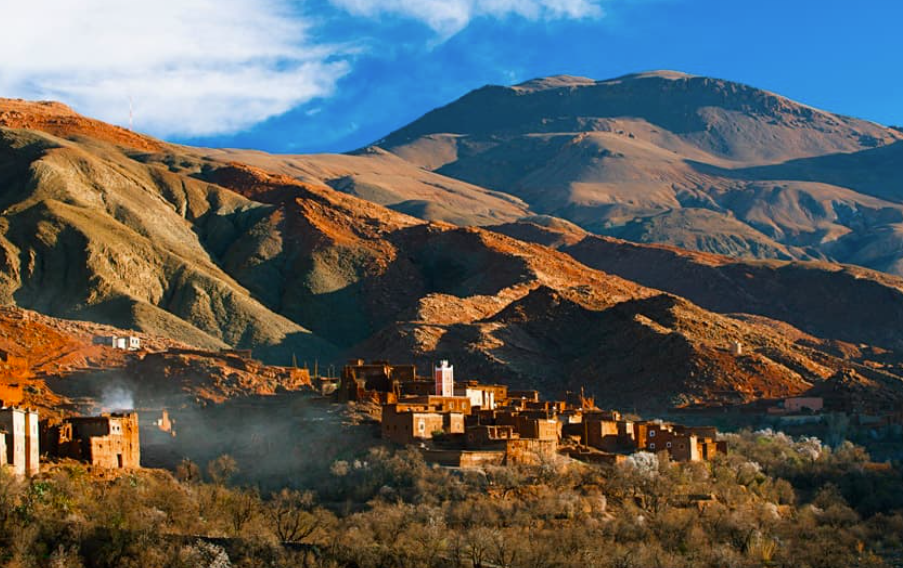
High in the Atlas Mountains, small villages sit between dramatic valleys and mountain peaks. These communities offer travelers an opportunity to experience a slower way of life while walking through some of Morocco’s most beautiful landscapes. Berber village treks are an excellent way to discover this side of the country while meeting local people and exploring the mountains on foot.
What Makes Berber Villages Special?
The Atlas Mountains have been home to Amazigh communities for centuries. The people are often referred to as Berbers, although many locals prefer the name Amazigh.
Life in these mountain communities is closely connected to nature. Families have traditionally depended on agriculture, livestock, and local resources, while generations have maintained their unique traditions, language, architecture, and hospitality.
Walking through these villages gives travelers a chance to see everyday mountain life rather than experiencing Morocco only as a tourist destination.
You may pass traditional stone houses, small fields, fruit trees, streams, and local paths connecting one village to another. The scenery changes constantly, making the journey interesting from beginning to end.
See also: How Wearable Technology Can Support Stress Management and Relapse Prevention
What Are Berber Village Treks Like?
A village trek can be as relaxed or challenging as you want it to be. Some routes are suitable for travelers who simply want a peaceful day in the mountains, while longer itineraries can take you deeper into the High Atlas.
Many treks begin around Imlil, one of the best-known mountain villages near Marrakech. From here, trails lead through valleys and smaller communities surrounded by impressive peaks.
Rather than rushing toward a summit, village trekking allows you to slow down and appreciate the surroundings.
You can stop for Moroccan tea, speak with local residents, enjoy traditional meals, and take photographs of the mountain scenery. The experience feels much more personal than simply visiting a popular sightseeing location.
A Chance to Experience Amazigh Hospitality
One of the most memorable parts of trekking through the Atlas Mountains is meeting local people.
Amazigh communities are well known for their hospitality, and visitors may have opportunities to enjoy tea or a home-cooked meal during their journey. Depending on the itinerary, you may also stay in a traditional guesthouse and experience how families welcome travelers into their communities.
These moments can become some of the most meaningful memories of a Morocco trip.
Instead of simply observing local culture, travelers have the opportunity to interact with the people who call these mountains home.
Beautiful Landscapes Around Every Corner
The scenery is another major reason to explore the Atlas Mountains.
A village trek may take you through green valleys, terraced fields, walnut groves, mountain streams, and rocky hillsides. During different seasons, the landscape can change dramatically.
Spring can bring fresh greenery and blossoms, while summer offers clear mountain views and warm days. Autumn creates beautiful colors across the valleys, and winter can bring snow to the higher peaks.
The combination of villages and natural scenery means there is always something interesting to see along the route.
Is Village Trekking Suitable for Beginners?
One of the advantages of village trekking is that there are routes for different fitness levels.
You do not necessarily need to be an experienced mountain hiker to enjoy the Atlas Mountains. Shorter routes can provide a relaxed introduction to mountain walking, while longer journeys are available for travelers looking for a greater physical challenge.
Before choosing a trek, it is important to consider the distance, elevation, walking time, and season.
A local guide can also help select a route that matches your fitness level and interests.
Why Travel With a Local Guide?
A local guide can make a village trekking experience much more rewarding.
Someone who knows the area can introduce you to local communities, explain the history of the villages, and help you understand the traditions you encounter along the way.
Guides also know the mountain trails and can adjust the pace when necessary. This can be particularly helpful if you are unfamiliar with hiking in mountainous terrain.
Most importantly, traveling with a local guide can help ensure that your visit respects local customs and communities.
What Should You Bring?
Even a relatively easy mountain walk requires some preparation.
Comfortable walking shoes or hiking boots are essential. You should also carry enough water, sunscreen, sunglasses, a hat, and a light backpack.
The weather can change quickly in the mountains, so carrying an additional warm layer and a lightweight rain jacket is a good idea.
If you plan to stay overnight, your guide or trekking company can provide advice about additional clothing and equipment based on the season.
Discover Morocco Beyond the Tourist Trail
A trip to Morocco does not have to be limited to famous cities and tourist attractions. The Atlas Mountains provide an opportunity to experience a quieter and more authentic side of the country.
Walking from one village to another allows you to appreciate the landscape at your own pace while learning about Amazigh traditions and mountain life.
For travelers who want more than photographs and sightseeing, Berber village treks offer an experience that combines nature, culture, adventure, and genuine human connection.
If you are planning to explore the Atlas Mountains, you can discover different Berber village trekking experiences and choose an itinerary that suits your interests and fitness level.
The mountains may provide the scenery, but it is the people, villages, and experiences along the way that make the journey truly unforgettable.