
You run the floss between two teeth, and it catches. Or it frays into little strings and comes back out looking torn up. That can feel minor at first, until it keeps happening in the same spot and you start wondering whether something is wrong. You are not imagining it. When floss snags or shreds around one tooth, there is often a reason, and it is usually worth paying attention to. If the problem continues, seeing an experienced dentist in Newburgh can help identify the cause.
Why certain teeth may trap floss or cause it to shred often comes down to a rough edge, a cavity between teeth, a worn filling, tartar buildup, or the way two teeth fit together. Sometimes the cause is simple and easy to fix. Sometimes it points to decay or gum trouble that should not wait. Good home care still matters, but repeated snagging in one area is a sign your mouth may need a closer look from a general dentist.
Floss that catches between teeth often points to a rough or damaged surface
Floss is meant to slide with a little resistance, not tear apart. When it does tear, there is usually something sharp or uneven in that space. A small cavity between teeth can create a rough edge that grabs floss. An old filling can chip or wear down and leave a ledge. Tartar can harden near the gumline and make the area feel tight and scratchy. Even a cracked tooth can sometimes show up this way before you feel pain.
This is why floss shredding between teeth should not be brushed off if it keeps happening in the same place. Teeth do not suddenly become hostile to floss for no reason. The floss is reacting to a change in the surface.
You might also notice bleeding, a bad taste, food packing in that spot, or a sore gum between the teeth. Those signs often travel together. According to the National Institute of Dental and Craniofacial Research, gum disease can start with bleeding and irritation that seem small at first but get worse when plaque and tartar stay in place. Their guidance on gum disease warning signs and treatment explains why those early changes matter.
Tight contacts, tartar, and dental work can all make floss get stuck
Not every snag means decay. Some people naturally have very tight contacts between certain teeth, especially if the teeth overlap a bit. In that case, floss may be hard to pop through, but it should still come out intact. If it only feels snug and the floss does not fray, the issue may be more about technique or floss type than damage.
The pattern matters. If floss gets stuck, then releases with a snap, that can irritate the gum and make flossing feel miserable. If floss goes in but comes out shredded, the tooth surface is more suspicious. If food packs into the same spot every day, there may be an open contact, a worn filling, or a shape problem that traps debris and plaque.
Home care still plays a big part here. Daily brushing and flossing reduce plaque that can harden into tartar, and tartar creates more places for floss to catch. The NIDCR page on oral hygiene habits covers the basics that help keep those spaces cleaner and easier to floss.
Tooth decay between teeth can stay hidden until floss starts catching
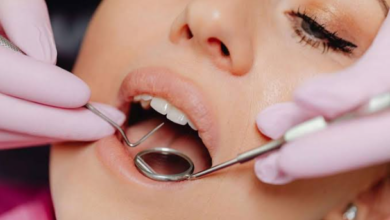
Decay between teeth is easy to miss because you cannot see it well in the mirror. There may be no obvious hole and no toothache. The first clue can be floss that starts snagging where it used to glide. That is one reason dentists take this complaint seriously. Interproximal decay, which means decay between teeth, often needs an exam and X rays to confirm.
The problem with waiting is that small decay can grow quietly. What starts as a rough spot may turn into a larger cavity, a broken filling, or pain when you bite. The NIH overview of tooth decay explains how plaque acids weaken enamel over time, especially in areas that are hard to clean well.
teeth catching floss can also happen after dental work if a filling is slightly over-contoured or has a rough margin. In that case, the fix may be as simple as smoothing or adjusting the area. The point is not to guess forever at home when the same spot keeps sending the same signal.
Common causes of floss snagging and what they usually mean
| What you notice | Possible cause | What to do |
| Floss feels tight but stays intact | Naturally tight contact or crowding | Try waxed floss or floss picks with gentle technique |
| Floss shreds in one exact spot | Rough filling edge, cavity, chipped tooth, or tartar | Schedule a dental exam to find the rough area |
| Food packs between two teeth daily | Open contact, worn dental work, shifting teeth | Have the bite and contact checked |
| Bleeding and soreness with snagging | Gum inflammation, plaque, or tartar buildup | Keep cleaning gently and book a professional cleaning |
| Sharp pain or sensitivity in that area | Decay, crack, exposed root, or gum recession | Do not force floss. Get evaluated soon |
Small changes at home can help, but repeated shredding needs a dental check
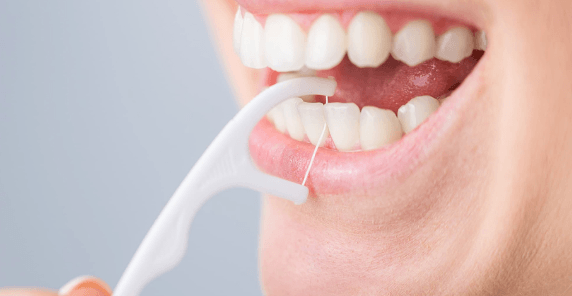
Switch the floss, not the habit. If standard floss keeps breaking, try a waxed floss, dental tape, or a shred resistant option. Slide it gently against the side of the tooth instead of forcing it straight down. If the floss still tears in the same place, that result is useful information.
Watch for patterns around one tooth. Notice whether the issue comes with bleeding, odor, sensitivity, or food trapping. A single rough contact point is different from generalized gum irritation. The more specific the pattern, the easier it is to find the cause.
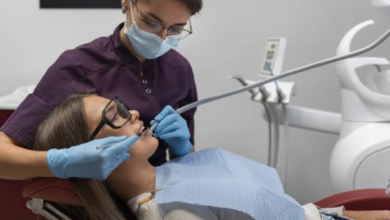
Book an exam with a general dentist when it keeps happening. Repeated snagging in one area usually needs more than a new floss brand. A dentist can check for decay between teeth, rough restorations, tartar, bite problems, or a crack. Often the fix is straightforward once the source is clear.
A snagging spot is your mouth asking for attention
If floss catches once, it may be random. If it catches over and over in the same place, your mouth is giving you a clue. The cause may be minor, but it is still worth finding. Getting it checked early can spare you a larger repair later and make daily cleaning feel normal again.
When floss keeps fraying or sticking, schedule a visit with a general dentist and have that area examined before it turns into pain.