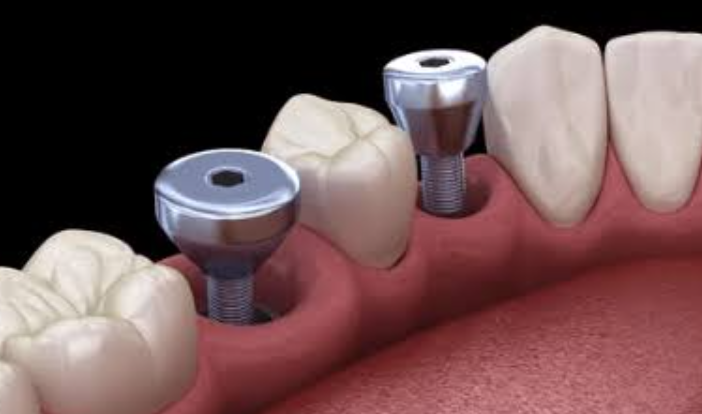

You might be feeling a mix of hope and worry right now. Maybe you have been told you need a dental implant, or you already had the first surgery and now your dentist in Floral Park, NY is talking about healing caps and abutments. These are tiny parts with unfamiliar names, and it can be unsettling to realize how much your new tooth depends on them.end
It often starts with a broken tooth, an extraction, or a denture that never quite feels right. You finally decide on an implant, you get through the appointment, and then you hear there are “stages” and “components” that all have to work together. Because of this, you might wonder whether something small could go wrong and ruin the whole process.
Here is the short version so you can breathe a little easier. A dental implant is not just a screw and a crown. Healing caps and abutments are the connectors and protectors that help your gum tissue heal properly and allow the final tooth to look and feel natural. When they are chosen and managed well by an experienced implant dentist, they quietly do their job in the background so you can chew, speak, and smile with confidence.
What exactly are healing caps and abutments, and why should you care?
To understand these small parts, it helps to picture the whole dental implant. The implant itself is the titanium post placed in your jawbone. That is the root replacement. On top of that, you eventually get a crown, which is the part you see when you smile. In between those two are the pieces that often cause the most confusion.
A healing cap, sometimes called a healing abutment, is a small metal “cap” that is temporarily attached to the implant after it has fused with your bone. Its job is simple but important. It shapes and protects the gum tissue so the final abutment and crown can sit in a healthy, natural-looking collar of gum. Without a proper healing cap, the gum can collapse or heal in the wrong shape, which can make the final tooth harder to clean and less attractive.
The abutment is the permanent connector piece. It attaches to the implant and supports the crown. Think of the implant as the anchor in the bone, the abutment as the connector above the gum, and the crown as the visible tooth. Each part has to fit precisely. If the abutment is not aligned correctly or is the wrong shape, the crown may not sit right, which can affect your bite and make cleaning difficult.
If you want a medical overview of the process from a trusted source, it can help to read about how dental implant surgery is typically done. This can give you a clearer picture of where healing caps and abutments fit into the timeline.
Where can things feel stressful or confusing with these small parts?
The problem usually shows up in the form of uncertainty. You might worry about pain when the healing cap is placed or removed. You might be anxious that the abutment could loosen or that something could get infected around it. You may also be concerned about cost, especially if you hear about “custom abutments” versus “stock abutments” and are not sure what you actually need.
Imagine this scenario. You have the implant placed and everything seems fine. A few months later, your dentist uncovers the implant and puts a healing cap in place. A week after that, your gum feels sore and you notice a bit of swelling. You start to wonder if the implant is failing. In many cases, it is not failure at all. It might be mild irritation from food getting trapped or from brushing too aggressively around the healing cap. A quick visit and some guidance usually calm things down.
The emotional side is real too. These steps can make you feel like your mouth is “under construction” for a long time. You might be tired of multiple appointments. You may also worry that every extra part means another possible point of failure. Because of that tension, you may start asking yourself whether the whole implant process is worth it.
This is where working with a skilled implant dentist matters. A clinician who places and restores implants regularly understands how the small components affect long term success. They can explain why a certain type of healing cap is used, how your gum is expected to look, and what warning signs truly matter. If you want more background on common implant procedures and what specialists focus on, you can review this overview of dental implant procedures from periodontal specialists.
How do healing caps and abutments compare in terms of benefits and risks?
So, where does that leave you when you are deciding how to move forward. One helpful way to think about it is to compare the role and impact of healing caps and abutments side by side. This is not a choice you make by yourself, yet understanding the differences can make conversations with your dentist much easier.
| Component | Main Purpose | What You Feel/Notice | Common Risks | Key Benefits |
| Healing Cap (Healing Abutment) | Protects the implant and shapes gum tissue during healing | Mild pressure or soreness at first, a small metal post visible above the gum | Temporary gum irritation, food trapping, rare loosening if not tightened well | Healthier gum contour, easier cleaning around the final tooth, more natural look |
| Standard Abutment | Connects implant to crown with a prefabricated shape | Usually nothing, it is hidden under the crown once completed | If poorly matched, can create gaps that trap plaque, affect bite or gum health | Cost effective, works well in many straightforward cases |
| Custom Abutment | Individually shaped connector designed for your implant and gum anatomy | Also hidden, but often supports a crown that looks more like a natural tooth | Higher cost, requires precise planning and lab work | Better fit for complex cases, improved gum support and aesthetics, easier cleaning |
These differences are not meant to overwhelm you. They are meant to show that healing caps and abutments for implants are not random hardware. They are chosen and adjusted based on your bone, your gums, your bite, and your goals for comfort and appearance.
What can you do right now to protect your implant and these small parts?
You might be wondering what is actually in your control. There is more than you think. While you cannot place your own implant or design your own abutment, your choices and habits play a big role in how well these parts perform over time.
1. Ask clear questions about each stage and each part
Before or during your appointments, ask your dentist to walk you through the specific steps. For example, you can ask:
- When will the healing cap be placed, and how long will it stay in?
- What should my gums look and feel like around the healing cap?
- Are you planning a standard or custom abutment for my case, and why?
- What signs would mean I should call you right away?
A calm, direct conversation can ease a lot of fear. It also gives your dentist a chance to tailor explanations to your situation, rather than leaving you to guess based on general information online.
2. Protect the healing area with gentle but consistent care
After a healing cap or abutment is placed, your main job is to keep the area clean without traumatizing the tissue. That usually means:
- Using a soft toothbrush and gentle circular motions near the implant site
- Rinsing as recommended, often with salt water or a prescribed mouth rinse
- Avoiding very hard, sticky, or sharp foods on that side until your dentist clears you
- Not “testing” the implant with your tongue or fingers, even if you are curious
These habits reduce the risk of gum irritation and infection around the healing cap and the future abutment. They also help your gum tissue form a tight, protective seal.
3. Plan for the long term, not just the surgery
A dental implant is meant to be a long term solution, so it helps to think beyond the immediate procedure. You can support your outcome by:
- Scheduling and keeping follow up visits so your dentist can check the healing cap, abutment, and surrounding gum
- Discussing clenching or grinding habits that might put extra force on the new crown
- Being honest about smoking, diabetes, or other health factors that affect healing
- Setting realistic expectations about timing, cost, and the number of visits
When you see the process as a series of planned steps instead of a single event, the presence of healing caps and abutments feels less like extra hurdles and more like thoughtful building blocks.
Moving forward with confidence about your implant parts
Feeling anxious about these small pieces is completely understandable. You are investing time, money, and trust into something you cannot easily see, yet that will affect your everyday life. That kind of pressure can make every new term and every new part feel like one more thing that could go wrong.
The truth is, when an experienced dental implant team plans your case carefully, healing caps and abutments are quiet helpers. They guide your gum tissue to heal in a healthy shape. They connect the strong implant in your bone to the natural looking crown you will show the world. They are not the stars of the show, yet without them, the result would not be the same.
You do not have to become an expert in components. You simply need enough understanding to ask good questions, recognize normal healing, and know when to reach out for help. With that knowledge, you can move through each stage with a bit more calm and a lot more confidence that these “small parts” are working in your favor.