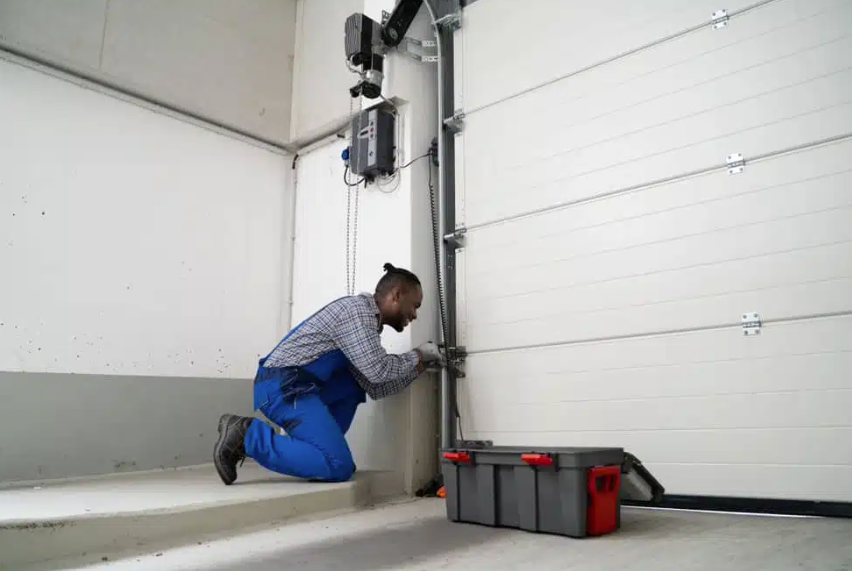

Living a few miles from the Atlantic has obvious perks, but garage doors aren’t one of them. The same sea breeze that makes an evening walk pleasant also carries a fine mist of salt that settles on everything outdoors. A garage door, with its steel springs, tracks, cables, rollers, and hinges, is a very good place for that salt to land. Many homeowners never think about it until a spring snaps, a track turns orange, or the door suddenly stops moving properly.
In Fort Lauderdale, salt exposure, high humidity, heavy rain, and intense sunlight can gradually wear down garage door components. Even a door that looks perfectly fine from the outside may have corrosion developing around its hardware.
This guide explains what salt air actually does to a garage door, which parts fail first, how different materials hold up, and what you can do to slow the damage and avoid expensive surprises.
How Salt Air Damages a Garage Door
Salt on its own doesn’t corrode steel. Moisture does. What salt does is speed up the process because it attracts moisture and encourages metal surfaces to remain damp longer. In South Florida’s humidity, salt deposits on a track or spring may not dry out completely between rain showers.
Corrosion can continue throughout the year, not just during hurricane season.
Distance from the water matters a great deal. Within a mile or two of the beach, the Intracoastal Waterway, or nearby canals, onshore winds can carry salt directly toward garage doors. Rain doesn’t always remove these deposits completely. Sometimes it simply turns the salt into a damp film that remains on the metal.
Further inland, in communities such as Davie, Weston, and Coral Springs, there may be less direct salt exposure, so corrosion can develop more slowly. However, high humidity, storm winds, and sprinkler systems can still contribute to rust.
The bottom of the garage door is particularly vulnerable. Water and debris can collect along the lower panel, allowing corrosion to develop beneath the paint. Once the protective finish is compromised, rust can spread across the exposed metal.
See also: Inside the Technology That Helps Modern HVAC Systems Think for Themselves
The Garage Door Parts That Fail First
Small steel components that move frequently tend to show the effects of salt exposure before other parts.
- Springs: Rust can weaken the metal coils and contribute to premature spring failure. A damaged spring can make the entire door difficult or impossible to operate safely.
- Tracks and rollers: Corrosion creates rough surfaces that interfere with smooth movement. Worn or seized rollers can cause grinding noises, jerky operation, and alignment problems.
- Hinges and bolts: Salt deposits and moisture can cause hinges to stiffen, bolts to corrode, and hardware to loosen. This places additional strain on other components.
- Lift cables: Rust can weaken individual cable strands, increasing the risk of fraying or failure. Since cables help support the door’s weight, their condition is particularly important.
- Opener electronics: Sensors, wiring, and circuit boards can be affected by moisture and corrosion. Intermittent operation may be an early indication of an electrical problem.
- Bottom panel edge: Water frequently collects around this area, making it a common starting point for bubbling paint, peeling finishes, and rust.
Because these components work together, one failing part can affect the entire system. A stiff hinge may increase the strain on the opener, while rough tracks can accelerate roller wear.
How Salt Air Can Cause a Garage Door to Go Off Track
Salt air doesn’t just cause rust. It can also contribute to alignment problems that eventually cause a garage door to come off its tracks.
In Fort Lauderdale, constant humidity and salt exposure gradually affect the metal components responsible for keeping the door moving smoothly. Rust buildup, worn rollers, corroded brackets, and loose mounting hardware can all interfere with the door’s movement.
An off-track garage door is more than an inconvenience. When one side slips out of alignment, the door may become crooked, jam halfway, or place uneven pressure on the cables and springs. Continuing to operate it can make the damage worse.
Some common causes include:
- Corroded tracks: Rust creates rough or uneven surfaces that prevent rollers from moving freely.
- Worn rollers: Salt deposits and corrosion can cause rollers to seize, crack, or wear unevenly.
- Loose brackets and hinges: Corrosion can weaken the hardware that holds the track system in position.
- Damaged lift cables: Weakened cables may cause one side of the door to lift differently from the other.
- Poor track alignment: Repeated wear, loose mounting hardware, and corrosion can gradually affect the track’s position.
Other factors, such as accidentally hitting the garage door with a vehicle or using a door with damaged rollers, can also cause derailment.
If your garage door looks crooked, has slipped out of its track, or makes unusual grinding noises, stop operating it. Never try to force it back into position or adjust the cables yourself. Garage doors are heavy, and their springs and cables operate under significant tension.
A professional technician can inspect the rollers, tracks, brackets, and lifting system to identify the cause and determine whether the door can be safely realigned. Homeowners experiencing these problems can learn more about professional garage door off-track repair and the importance of restoring proper alignment before additional components become damaged.
Does Door Material Make a Difference?
It does, but perhaps less than most homeowners expect. Different materials respond differently to coastal conditions, although the quality of the finish and the maintenance routine also matter.
Here is how common garage door materials compare near the coast:
Galvanized steel Fair to good Rusts if the protective coating is scratched Aluminum Good Dents more easily and can develop surface pitting Fiberglass Good Can fade with prolonged exposure to strong sunlight Vinyl Good Resists rust but offers fewer style options Wood Fair Requires regular sealing and maintenance
Steel remains a popular choice because it is strong, affordable, and available in many designs. However, its durability depends heavily on the protective coating. One deep scratch can expose the underlying metal, allowing corrosion to develop beneath the paint.
Modern factory finishes are generally better than older coatings, so a properly maintained steel door can last for years in coastal conditions.
Wood doors offer an attractive appearance but require regular sealing to protect against moisture absorption, swelling, and rot. Aluminum and fiberglass can be practical alternatives for homeowners who want to reduce concerns about steel panel corrosion.
However, the material of the door itself isn’t the whole story. Springs, tracks, cables, rollers, and other hardware are still commonly made from metal.
A fiberglass garage door can have a badly corroded spring working behind it. That’s why hardware maintenance matters regardless of which door material you choose.
Warning Signs Salt Damage Has Started
Salt damage often develops slowly. By the time homeowners notice a problem, corrosion may already have affected several components.
Look for these warning signs:
- Orange or brown spots on springs, tracks, or hinges.
- White, chalky residue on metal parts.
- Paint bubbling or flaking along the bottom edge.
- New squeaking, grinding, or rattling sounds.
- A door that moves slowly, shakes, or hangs slightly crooked.
- Rollers that appear worn or struggle to move along the tracks.
- A remote or wall button that responds inconsistently.
- Visible rust around brackets, bolts, and other mounting hardware.
Never attempt to adjust or replace a garage door spring yourself. Springs hold substantial tension and can cause serious injuries if handled incorrectly.
If you notice heavy rust on a spring or cable, stop using the door and arrange a professional inspection.
Simple Habits That Help Protect Your Garage Door
Most basic coastal garage door maintenance doesn’t require special equipment or advanced skills. A little attention throughout the year can help prevent corrosion from spreading.
Here are some useful habits for Fort Lauderdale homeowners:
- Rinse the door regularly: Use fresh water and a soft cloth every month or two to remove salt deposits. Avoid pressure washers, which can force water into seams and sensitive areas.
- Keep the bottom edge dry: If water collects around the bottom panel, dry it when possible to reduce prolonged moisture exposure.
- Lubricate moving components: Apply a garage door lubricant suitable for the manufacturer’s hardware to hinges, rollers, and springs according to the recommended maintenance schedule. Avoid thick grease that can collect dirt and debris.
- Repair scratches promptly: Touch up chips and scratches with a suitable matching paint before rust develops underneath the finish.
- Check visible hardware: Look for loose bolts, damaged brackets, and signs of corrosion. Leave adjustments involving springs, cables, and track tension to professionals.
- Inspect weatherstripping: Cracked or damaged rubber seals can allow moisture, insects, and salty air to enter the garage.
- Redirect sprinklers: Make sure irrigation systems aren’t spraying water directly onto the garage door.
- Schedule annual inspections: A professional can identify worn rollers, damaged springs, corrosion, and alignment issues before they become serious problems.
These simple steps cost very little compared with an emergency repair or premature door replacement.
Why Hurricane Season Raises the Stakes
A garage door weakened by rust is more vulnerable to mechanical problems when severe weather arrives. Wind pressure puts considerable stress on panels, tracks, hinges, and supporting hardware.
Corroded components may be less capable of handling those stresses, especially if they have already been weakened by years of moisture exposure.
Storms also drive salt-laden rain into areas that may not receive much direct exposure during ordinary weather. Once the storm passes, salt residue can remain on the door and its hardware.
It’s wise to schedule an inspection before hurricane season begins rather than waiting until a storm warning is issued. Garage door technicians can become extremely busy when severe weather approaches.
Homeowners should also check whether their garage doors meet applicable wind-load requirements and whether the installed reinforcement system is in good condition.
After a major storm, rinse the door with fresh water when it is safe to do so. Look for visible damage, unusual noises, and changes in operation. If the door appears damaged or misaligned, avoid operating it until it has been inspected.
Repair or Replace? Knowing When It’s Time
Not every rusty component means you need a completely new garage door. In many situations, replacing a few damaged parts is enough to restore normal operation.
Light surface rust on a track, hinge, or bracket may be manageable through professional cleaning, repair, or replacement of the affected hardware. Worn rollers and damaged springs can also be replaced without changing the entire door.
Rust-related opener problems may sometimes be resolved through repairs to wiring, sensors, or other affected components.
If your door is already showing signs of trouble, a local specialist offering garage door services in Fort Lauderdale, FL can inspect the system and explain whether the damage is limited or more extensive.
However, replacement may be the better option when corrosion has spread across several panels, the frame has weakened, or the same problems keep returning.
At that point, repeated repair expenses can add up quickly. A new garage door may cost more initially, but selecting a suitable material and protective finish can reduce maintenance requirements over time.
If replacement looks likely, compare garage door replacement and installation options before making a decision.
Best when Rust is light and limited to a few parts Rust is widespread across panels or the frame Typical work Springs, rollers, hinges, tracks, and opener components New door, usually with new hardware Upfront cost Generally lower Generally higher Time needed Often completed in one visit Usually requires more time Long-term outlook Good if problems don’t return Better when repeated repairs are no longer practical
A professional inspection can help determine which option makes the most financial sense.
How Often Should Fort Lauderdale Homeowners Inspect Their Garage Doors?
There isn’t one maintenance schedule that works for every home. A property close to the ocean may need more frequent attention than one located further inland.
However, a practical routine can help homeowners catch developing problems early.
Rinse exterior surfaces Every 1–2 months Check for visible rust Monthly Inspect weatherstripping Every 3–6 months Check door movement and unusual noises Monthly Lubricate moving parts According to manufacturer recommendations Professional inspection At least once a year Additional inspection After significant storms or visible damage
Homes exposed to direct ocean winds, frequent rain, or sprinkler overspray may benefit from more frequent inspections.
The goal isn’t to eliminate every effect of coastal weather. It’s to identify small problems before they turn into expensive mechanical failures.
Stay Ahead of the Salt
The price of living near the water is that your garage door deals with salt, sunlight, and humidity throughout the year. It may not announce a problem until a component starts failing, and that often happens at the most inconvenient time.
Fortunately, preventing many coastal garage door problems doesn’t require complicated maintenance. Rinse the door regularly, keep an eye on the moving parts, protect exposed metal, and arrange professional inspections when needed.
Pay particular attention to rust around springs, rollers, hinges, and tracks. If you notice a crooked door, grinding noises, or difficulty opening and closing it, stop operating the system and have it checked.
For Fort Lauderdale homeowners, staying proactive is the best way to protect a garage door against coastal conditions, maintain reliable operation, and avoid unnecessary repair expenses.