
Air conditioning used to be relatively straightforward. You adjusted the thermostat, waited for the room to reach a comfortable temperature, and switched everything off when it became too cold. Modern heating and cooling systems, however, are becoming considerably more sophisticated.
Thanks to advances in sensors, automation, and connected technology, some HVAC systems can now monitor their performance, respond to changing conditions, and spot potential problems before homeowners notice anything unusual. Although these systems aren’t literally thinking, the technology behind them is changing how buildings manage indoor comfort.
How Smart Sensors Make Better Decisions
Traditional thermostats primarily measure temperature in one location. Modern HVAC technology can incorporate additional sensors that monitor humidity, occupancy, airflow, and conditions throughout a property.
These measurements provide a more detailed picture of indoor conditions. Rather than relying on a single temperature reading, compatible systems can adjust their operation as conditions change.
For instance, occupancy sensors may help reduce unnecessary heating or cooling in unused rooms. Humidity monitoring can also support better indoor comfort, particularly in climates where seasonal conditions vary considerably.
The Rise of Predictive Maintenance
One of the more interesting developments in HVAC technology is predictive maintenance. Instead of waiting for equipment to break down, connected monitoring systems can analyze operating data to identify potential faults.
Unusual energy consumption, repeated operating cycles, or changes in equipment performance may signal a need for attention.
For homeowners exploring heating and cooling in Tucson, professional HVAC maintenance remains important even with intelligent monitoring technology. Smart diagnostics can highlight potential concerns, but trained technicians are still needed to investigate faults and complete repairs.
Predictive capabilities vary by manufacturer and system, so not every connected HVAC unit offers the same level of monitoring.
Variable-Speed Technology Changes Everything
Conventional HVAC equipment often operates at a fixed output, switching on and off to maintain the selected temperature. Variable-speed technology takes a different approach.
Instead of running at full capacity, compatible compressors and fans can adjust their output to meet the building’s needs.
This lets the system maintain more consistent indoor temperatures while potentially reducing energy use. It can also help minimize the noticeable temperature fluctuations associated with traditional equipment.
The technology is especially useful in locations with high cooling demand, where maintaining comfortable indoor conditions may require prolonged operation.
Connecting HVAC Systems to Smart Homes
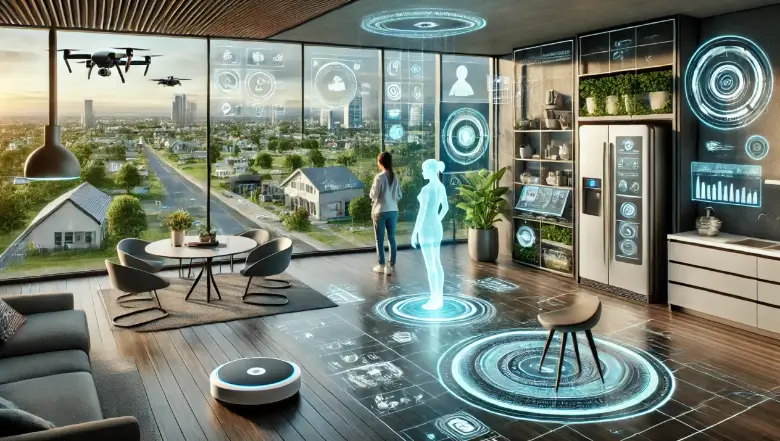
Heating and cooling equipment is increasingly becoming part of the wider connected home.
Compatible smart thermostats can communicate with mobile apps, letting homeowners adjust settings remotely, set schedules, and review energy use.
Some systems also integrate with voice assistants and home automation platforms. This lets you coordinate temperature settings with household routines or other connected devices.
However, connectivity introduces additional considerations. Keeping software updated, securing home networks, and choosing reputable equipment are important for protecting connected systems.
Are Fully Autonomous HVAC Systems the Future?
The next stage of HVAC development could involve increasingly sophisticated automation, with systems using historical performance data, occupancy patterns, and weather information to make adjustments.
However, intelligent technology doesn’t eliminate the need for proper installation, maintenance, or professional judgment. Even advanced systems depend on correctly sized equipment and well-maintained components.
As these technologies develop, the relationship between homeowners and their heating and cooling equipment is changing. Instead of constantly adjusting settings themselves, people can increasingly rely on systems designed to respond automatically to their surroundings.