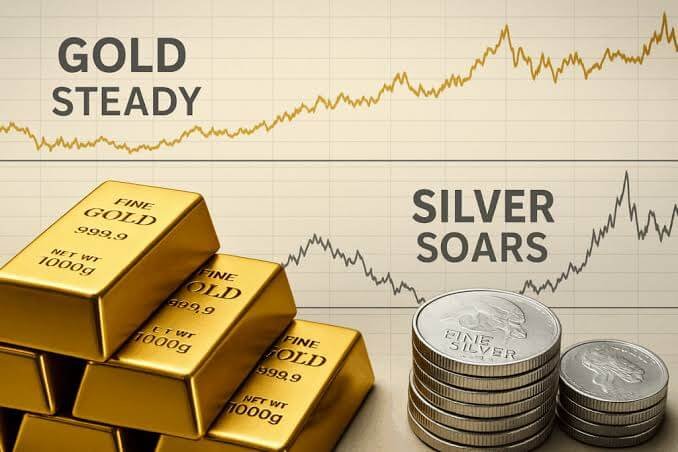

Silver is an important precious metal with a distinctive role in both financial markets and industrial activity. It is used in jewellery, investment products, electronics and various manufacturing applications. Because demand comes from different sectors, silver prices can respond to a wider range of influences than some buyers may initially expect.
For people following precious metals, learning how to read silver market information can provide a clearer picture of price movements. A chart is a useful starting point, but it should be interpreted alongside information about currency, supply, demand and economic conditions.
What Influences the Price of Silver?
Silver prices are shaped by several connected factors. Investment demand is one influence, as some market participants buy silver as a precious-metal asset. Industrial demand is another important factor because silver is used in a range of products and technologies.
Changes in manufacturing activity may therefore influence expectations about future demand. Supply conditions, mining output, recycling and available inventories can also contribute to market movements.
Currency changes and interest-rate expectations may affect investor behaviour as well. Since silver is commonly quoted in US dollars, movements in the dollar can influence the price faced by buyers using other currencies.
The Relationship Between Gold and Silver
Gold and silver are often discussed together because both are precious metals. However, their markets are not identical.
Gold is widely associated with investment demand and central-bank reserves, while silver has substantial industrial uses in addition to its role as a precious metal. This means that changes in manufacturing expectations may have a more visible influence on silver at certain times.
The two metals can move in similar directions, but they do not always do so. Their prices may respond differently to changing economic conditions, supply developments and investor sentiment.
How to Read a Silver Chart
A price chart displays changes over a selected time frame. It can help readers understand recent movement, compare different periods and identify areas where prices have fluctuated.
When reviewing a silver price chart begin by checking the measurement unit and currency. Silver may be quoted per troy ounce or in other units, so comparisons should use consistent measurements.
Next, select a suitable time frame. A short-term chart may show daily volatility, while a longer period can provide broader context. It is useful to compare several time frames instead of relying on one view.
Also check whether the displayed figure is a spot price, futures price or another reference. Different pricing arrangements may not be directly interchangeable.
Understanding the Difference Between Spot and Retail Prices
A market chart may show a reference price, but the amount paid for a physical silver product can be different.
Retail products may include fabrication costs, dealer premiums, packaging, distribution expenses and other charges. The final amount can also depend on the product’s weight, design and purity.
Before purchasing, request a clear breakdown of the total price. If the product is intended for investment, understand the difference between its purchase price and the amount a dealer may offer when buying it back.
Silver’s Industrial Uses
Silver has properties that make it useful in several industrial applications, including electronics and electrical components. It is also used in areas such as solar technology and specialised manufacturing.
Industrial demand can therefore contribute to changes in market expectations. If manufacturers anticipate higher production, demand forecasts may change. Conversely, weaker industrial activity may affect expectations in the opposite direction.
However, industrial use is only one part of the market. Investment activity, supply and wider financial conditions also matter.
Considering Risk and Volatility
Silver prices can fluctuate significantly. A change in market sentiment or industrial demand expectations may influence prices, and short-term movements can be difficult to predict.
Anyone considering silver as an investment should think about their objectives, time horizon and ability to tolerate losses. Physical ownership also involves storage, security and transaction costs.
Diversification may be part of a broader financial strategy, but no precious metal guarantees a positive return.
Frequently Asked Questions
1. Why is silver used in industry?
Silver has useful electrical and other physical properties, making it valuable in electronics, electrical components and various manufacturing applications.
2. Does silver always follow gold prices?
No. The metals can move in similar directions, but silver also has significant industrial demand. Their prices may respond differently to economic and market developments.
3. What should I check on a silver price chart?
Check the currency, measurement unit, time frame, update time and pricing basis. These details help ensure that the information is interpreted correctly.
Conclusion
Silver prices reflect a combination of investment activity, industrial demand, supply conditions and wider economic influences. A price chart can help readers follow market movements, but understanding the context behind those movements is equally important. Careful comparison and awareness of volatility support more informed decisions about precious metals.